


 Francais
 Deutsch
 Italiano
Refine Your Search
+"Nagasaki Japan" +1945 stock footage and images
- Showing 31 to 36 of 39 results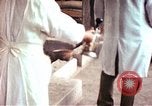
A Japanese doctor gets sanitized inside a bombed out building in Nagasaki after World War II.
Japanese doctors and nurses at a bombed out building in Nagasaki, Japan after World War II. Interior of the bombed out building shows a Japanese doctor being sanitized by a nurse. The doctor washes his hands in a bucket of water. A nurse gets her feet sanitized. The doctor walks through a corridor. Two Japanese men carry a rock using a pole.
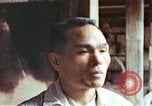
Japanese patients inside a bombed out building in Nagasaki after World War II.
Japanese doctors and nurses at a bombed out building in Nagasaki, Japan after World War II. Interior of the bombed out building shows Japanese doctors and nurses. Patients on beds. Japanese women cook food. A small child strapped on the back of a Japanese woman who talks to a man having food. Various views of the Japanese patients.
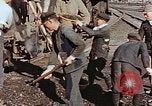
The laborers use wicker baskets and dump the baskets into a coal bunker of the tender, Nagasaki.
The laborers employed in Nagasaki, Japan after the atomic bombings during the end of World War II . A locomotive standing on a siding at Nagasaki railroad yard. A man using shovel to put the coal in a basket. The human chain method as they dump the coal into the tender. The laborers use wicker baskets to pass the coal up to the tender. The coal in the tender. The laborers on a ladder passing coal in the tender. The laborers dump the baskets into a coal bunker of the tender. A man using shovel to put the coal in a basket.
Japanese victims of atomic explosions receive medical treatment in Red Cross aid station in Nagasaki after World War II.
Victims who faced atomic explosion in Nagasaki, Japan during World War II. Red Cross flag on staff. Red Cross sign on the wall of aid station. Patients walk inside the aid station for treatment. Two young boys with bandaged heads. Doctors treat patients. Doctors at microscope. Patients receive treatment. Patients with burns on feet, hands and body are treated. Victims on mats in ward where they are being treated. A child with severe burns has his hands dressed.
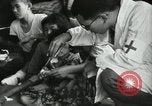
Effects of atomic explosion on bodies of Japanese child victims in Nagasaki after World War II.
Victims who faced atomic explosion in Nagasaki, Japan during World War II. Patients being treated in Red Cross aid station of Nagasaki. Hand of a child victim with severe burns. Heads of children who are losing hair due to radiation. Doctors and nurses attend to patients. A nurse holds a bottle of plasma. Patients suffering from anaemia. A boy with part of his mouth blown off, being treated.
U.S. Navy Commander Ashworth, crew member on B-29 that dropped atomic bomb on Nagasaki, interviewed at Tinian, Marianas Islands
Setting: North Field, Tinian,in Mariana Islands. Public Affairs Officer Major John F. Moynahan interviews Commander Frederick L. Ashworth of the U.S. Navy, who was the weaponeer on the B-29 called Bockscar (sometimes "Bock's Car") that dropped the atomic bomb on Nagasaki, Japan during World War II. He expressed initial concerns about not being able to bomb their primary target and having, instead, to proceed to their secondary target, Nagasaki.