


 Francais
 Deutsch
 Italiano
Refine Your Search
+"Papua New Guinea" +1943 stock footage and images
- Showing 31 to 36 of 49 results more
more Hide
Hide
Battle off Empress Augusta Bay, during World War 2.
Night engagement off Empress Augusta Bay, during World War 2. Documents describing U.S. forces engaged in the battle. View of the Augusta Bay at dawn. Animation on screen shows the Guadalcanal naval battles and the attacks on Solomon Islands and Bougainville Island. A diagram depicts the movement of U.S. Navy Task Force 39 from Empress Augusta Bay to Shortland Island and diverting towards Treasury Island. Fleet of ships en route. United States B-24 Bomber in flight. Diagram shows the route of Japanese Forces and the United States Task Force 39. Fleet of Japanese ships on the way.
Distance, position and direction of ships at Empress Augusta Bay.
Fleet of United States Task Force 39 ships approach Empress Augusta Bay. Diagram depicts the distances of ships and the aircraft. View of a radar on screen. Diagram shows the direction and formation of ships follow. Fleet of on going ships. Cruisers open fire and explosions occur. Radar shows the range of Northern, Southern and Central groups. (World War II period).
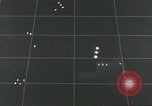
Empress Augusta Bay: Positioning and direction of U.S. ships against the Northern, Southern and Central Japanese groups.
Radar on screen. Diagram depicts the Northern Japanese group firing on 46 Division. Destroyers Thatcher and Spence collide. Fleet of on going ships and explosions on the target. USS Columbia open fires. Diagram shows the distance of Northern Southern and central groups from the range of torpedo fire by 46 Division. Fleet of aircraft bombing on ships below. (World War II period).
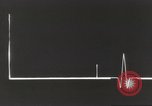
U.S. warships of Division 46 and Division 45 advance toward the Northern Japanese group during the Battle of Empress Augusta Bay.
Artistic rendition: Naval gunfire attacks by the Japanese on United States cruisers. One of the U.S. cruisers is destroyed by the attack. Star shells fired by the Japanese enemy. Diagram shows the Task Force Division 46 and Division 45 ships advancing toward the Japanese Northern Enemy Group. Division 46 fires torpedoes at the cruisers. CIC personnel check graphs. Heavy bombing on the enemy ships. (World War II period).

Newsreel "Australians and Americans drive Japs from Lae" during World War 2
American B-25 aicraft bomb Japanese positions in New Guinea in advance of operations by American and Australian troops. Explosions seen on ground as bombs impact targets. Low altitude aerial view of destroyed Japanese troop transport ships and cargo ships near the shores of New Guinea. Naval bombardment of Lae is seen from aboard Allied invading ships. Australian soldiers go ashore. General MacArthur confers Lieutenant General George Kenney and other officers. U.S. paratroopers on ground at an airfield prepare equipment and ready for jump into enemy territory. Scene with close up of General MacArthur smiling. Paratrooper C-47 aircraft lined in rows. U.S. Army paratroopers loading into aircraft and C-47s taking off. Aerial view from inside a C-47 as equipment and men jump toward target area of Lae. Hundreds of parachutes seen in sky. A serviceman holding a motion picture film camera films the view of parachutes through the open aircraft door. View on ground 5 days later as Australian Army troops join up with American forces on a captured Japanese airfield. Close up views of faces of Australian soldiers. The soldiers cut tall grass at landing fields to prepare for arriving DC-3 aircraft. DC-3 landing with supplies unloaded by Australian troops for use in the drive into Lae and Salamaua New Guinea.
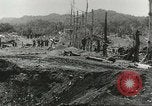
Australian 7th Division takes over Lae and raises the Australian flag in New Guinea during World War II.
Allied campaign in Lae- Salamaua in New Guinea during World War II Australian 7th Division soldiers move forward and take over Lae. Soldiers move through the ruins of the city. Soldiers at artillery. Australian soldier holds a local child after rescuing the child. Damaged Japanese planes and a hangar at an airfield after Allied bombings. Damaged Japanese barges in the harbor. Soldiers play piano, relax and eat as they celebrate their victory in Lae. Australian flag hoisted by the soldiers.