


 Francais
 Deutsch
 Italiano
Refine Your Search
"Bethlehem Pennsylvania USA" 1918 stock footage and images
- Showing 673 to 678 of 1835 results more
more Hide
Hide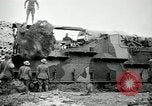
American 52nd and 53rd Coast Artillery Regiments camouflage and fire a railroad gun at Belleville in France.
Soldiers, of U.S. Army Coast Artillery Regiment, place camouflage coverings atop a 14-inch railroad gun, in France, during World War 1. View of the camouflaged gun as its barrel slowly rises and it fires. (World War I; World War 1; WWI; WW1)
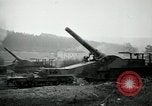
Railroad guns being fired by American 52nd and 53rd Coast Artillery Regiments at Belleville in France during World War 1
Railroad guns being fired by U.S. Army 52nd Steam Ship and 53rd Coast Artillery Regiments at Belleville in France during the Meuse-Argonne offensive of World War I. Smoking barrels of the giant rail guns seen after firing.
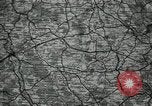
American 52nd and 53rd Coast Artillery Regiments load and fire railroad gun at Belleville in France during World War I.
Shows U.S. Army 52nd and 53rd Coast Artillery Regiments troops loading 14-inch shells in a camouflaged railroad gun at Belleville in France during the Meuse-Argonne offensive. U.S. troops fire the railroad gun during World War 1 from underneath its camouflaged net position on the railroad tracks. After each firing, the regiment reapproaches the gun to reload and fire again.
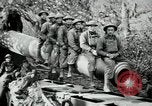
American 52nd and 53rd Coast Artillery Regiments troops play at a concealed railroad gun position in Belleville, France.
World War I U.S. Army 52nd and 53rd Coast Artillery Regiments troops at a railroad gun position in Belleville,France during the Meuse-Argonne offensive of World War 1. Doughboy troops sit on the barrel of the railroad gun, pose, smile and slide, playfully. They pull out a fellow soldier from inside the gun's barrel.
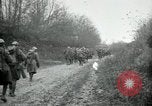
U.S. Army 28th Infantry occupy Chevenges, France during World War I.
American Army 1st Division, 28th Infantry marches on muddy fields in Chevenges, France during World War 1. Supplies loaded on horse carriages. The troops occupy the city.
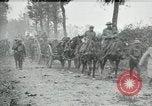
Occupation of French towns by American Army during the Meuse-Argonne offensive in World War I.
Relates to the occupation of French towns like Chevenges by U.S. 28th Infantry, Nouart by 5th Field Artillery and 26th Infantry, and Romagne by 1st Engineers during the Meuse-Argonne offensive of World War 1. Armed U.S. Army troops march through muddy field roads. Troops enter the city with supplies loaded on horse carts.