


 Francais
 Deutsch
 Italiano
Refine Your Search
-Cebu,-Philippines stock footage and images
- Showing 16423 to 16428 of 58885 results more
more Hide
Hide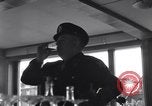
Film producers drink wine, smoke cigars and talk to each other during a boat trip on the Rhine River, Germany.
Visit of film executives from Brussels, Belgium to Frankfurt in Germany. A boat trip of producers on the Rhine River. Producers smoke cigars and drink wine sitting on deck of the boat. Major General Oliver P. Echols, Major General Ray W. Baker, Major General Robert W. Harper, General Robert Erskine and Major General Surtees on the boat talk to each other and watch the river and its banks. Mistresses of some producers also accompany them.
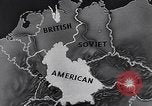
Military and German Police try to stop gun runners and black marketing and conduct free elections in Germany after World War 2
A map shows the United States, British and Soviet occupied zones in Germany after World War II. American and French police checks papers and belongings of Germans entering their zone. They chase and capture a gun runner car and remove a weapon from the back seat. Scene in a building depicts young Nazi die hard followers in a "werewolf gang" meeting in secret to plot how to continue Nazi Germany. German civilians gathered exchanging items in black market activity. U.S. occupation soldiers sell cigarettes in black market to German civilians. German police raid a black market exchange area and arrest many German citizens, rounding them up and loading them onto a truck. A captured German woman cyring. German de-nazification trials at a court in session. At a news conference, U.S. Army General Lucius D. Clay speaks about measures to build democratic processes in Germany, starting with local elections. A leader speaks at a political party meeting. German civilians vote at first free elections after World War II. A German man acts with servility before a U.S. officer and looks vindictively in direction of officer after leaving his room. Narrator describes German people post-war as egotistical people.
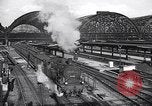
Repair of wrecked railroads, power plants, factories and coal mines at Ruhr Valley in Germany after World War II.
Wrecked railroads, Coal mines, power plants and factories being rebuilt and rehabilitated in Germany after World War 2. Railroad trains moving on tracks in Germany soon after World War 2. German civilian workers repair rails and tracks destroyed by Allied bombers. German workers in a tire factory build railway and automobile tires, in Munich. Trucks manufactured at a truck factory drive out of the factory. People lined to see some of the items produced for export. British occupied Ruhr Valley. Wrecked Krupp factories in Ruhr Valley. A German steel smelting plant in operation, workers pour molten steel. Coal cars leave Ruhr Valley. Animated charts show production and export of coal during 1937 and 1946. German miners enter and leave mines. Miners eat and take half of their food out to German children.
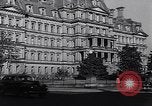
British, Soviet and U.S. officials meet and discuss industrial, agricultural and civil rebuilding of Germany after World War II.
Industrial, agricultural and civil rebuilding of Germany after World War II. State Department building in Washington DC. Secretory of States, James F. Byrnes dictates to secretary. General Luicius D Clay speaks to the members of British Occupational government. Ernest Bevin, Vyacheslav Molotov and James F. Byrnes pose for a group photograph. German farmers in an agricultural field. Men and woman plow farm by horse cart. Worker watches a factory kiln with molten metal. Cavaliers of American Military Police on horse back patrol on the streets in Germany with a destroyed cathedral in the background. They cross a bridge with sign Herkules Bridge. German workers make farm equipment and a German family with young children eats a meal.
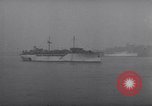
Refugees and former prisoners of Nazi concentration camps are among passengers arriving by ship in New York harbor
The Steamship, SS Marine Flasher, arriving in the port of New York after voyage from Bremen, Germany . She is assisted by several tugboats. Her passengers, include many refugees,including former prisoners of Nazi concentration camps. A number have benefited from President Truman's December 22, 1945 Directive giving preference to Displaced Persons in obtaining visas. Passengers crowd the deck and wave enthusiastically. Brief glimpse of a ferry boat passing behind the Marine Flasher. The ship has nautical flags and flags of various nations displayed aloft. (World War II period).
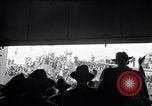
Steamship passengers, including many Displaced Persons and former prisoners of Nazi concentration camps, arrive in New York
The steamship, "SS Marine Flasher," arrives in the port of New York, after steaming from Bremen, Germany. In addition to U.S. citizens, her passengers include many refugees, and former prisoners of Nazi concentration camps, who benefited from President Truman's directive of December 22, 1945, giving preference to Displaced Persons in obtaining visas. Views among the crowds gathered at the dock to welcome loved ones. People waving and smiling. One woman angrily shouting at a guard. Men, women, and children aboard the ship, many wearing identification ribbons. Passengers enter the dock area. Their relatives and friends greet them warmly. A man kisses a woman and weeps. Two men embrace. (World War II period).
CRITICALPAST.COM: About Us | Contact Us | FAQs - How to Order | License Agreement | My Account | My Lightboxes | Shopping Cart | Advanced Search | Featured Collections | Website Terms & Conditions | Privacy Policy ©2026 CriticalPast LLC.
License Agreement |
Terms & Conditions |
Privacy Policy
©2026 CriticalPast LLC.