


 Francais
 Deutsch
 Italiano
Refine Your Search
-Cebu,-Philippines stock footage and images
- Showing 21313 to 21318 of 58887 results more
more Hide
Hide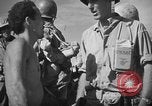
United States Marine Corps interpreter talks to a Japanese prisoner in Senaga Shima, Okinawa, Japan.
United States Marine Corps in Senaga Shima, Okinawa, Japan during World War II. A United States Marine Corps interpreter talks to Japanese prisoner of war (POW). Marines search through the rubble with the help of an Okinawan. Smoke rises from behind the trees.
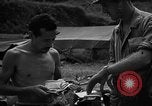
A flame thrower throws flame at a cave in Senaga Shima, Okinawa, Japan.
United States Marine Corps in Senaga Shima, Okinawa, Japan during World War II. A United States Marine Corps interpreter talks to Japanese Prisoner of War. A prisoner reads some documents. Prisoner seated in a field. Some more prisoners brought in a jeep. Marines talk to them. Japanese prisoner of war talks to people inside cave to surrender. A Japanese flame thrower throws flame in a cave. He along with Marines climbs up a hill.
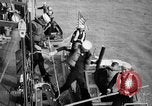
USS Panay Incident: U.S. sailors abandon the sinking United States ship Panay after a Japanese attack in Nanjing (Nanking), China.
Japanese attack on United States Navy gunboat USS Panay anchored in the Yangtze River at Nanjing (Nanking), China. Ship crew and others evacuate the United States ship Panay after a Japanese air attack. Men transfer onto barges and pull away. Men jump into the river. Japanese aircraft in flight. Bullet marks on the ship. Barges approach the coast and views of the Panay sinking slowly in the background. Men unload their belongings on the shore. Gradually the ship sinks.
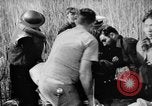
Men injured due to a Japanese attack on United States ship USS Panay looked after in Nanjing (Nanking), China.
Aftermath of the Japanese attack on United States ship USS Panay in Nanjing (Nanking), China. Men injured because of Japanese attack on the USS Panay lying on stretchers. Injured covered with sheets. Severely injured men. A man with a bleeding forehead. A man ties bandages on wounds of a man. Officials speak to each other. Injured carried away on stretchers.
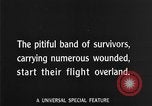
Men injured due to a Japanese attack on United States ship Pannay being treated by doctors in China.
Aftermath of Japanese attack on United States ship Pannay in Nanking, China. Men injured as a result of Japanese attack on Pannay carried on litters and in slings to a village. Chinese doctors treat the wounded. An injured American smokes as he lies on a litter. Victims of the attack move to Shanghai in barges. United States gun boat Oahu and British gun boat Lady Bird at the Shanghai port. Injured transferred aboard the boats. A casket wrapped in American flag aboard the boat. Men on the deck of the boat.
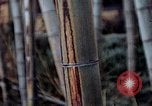
Effects of flash burn on a tombstone at a cemetery in Mitake Machi, Hiroshima, Japan.
Aftermath of atomic bomb explosion in Hiroshima, Japan during World War II. Effects of flash burn on bamboo trees grown on a levee in Mitake Machi, Hiroshima. Flash burn on a tombstone in cemetery. A circular flash burn on a granite tombstone caused at the time of the explosion of atom bomb. Incense burner removed and the circular flash burn. A pencil used to illustrate the shadow area. Base of the monument with two holes on each side to hold flowers. Flowers removed from one side and the effect of flash burn becomes apparent.
CRITICALPAST.COM: About Us | Contact Us | FAQs - How to Order | License Agreement | My Account | My Lightboxes | Shopping Cart | Advanced Search | Featured Collections | Website Terms & Conditions | Privacy Policy ©2026 CriticalPast LLC.
License Agreement |
Terms & Conditions |
Privacy Policy
©2026 CriticalPast LLC.