


 Francais
 Deutsch
 Italiano

Refine Your Search
-Cebu,-Philippines stock footage and images
- Showing 26629 to 26634 of 58986 results more
 Hide
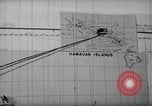
U.S. convoy of freighters, aircraft carriers, and LSTs, reaching Saipan Island, Mariana Islands in World War II
The Pacific Campaign on the Island of Saipan, Mariana Islands during World War 2. Map titled 'Mariana Islands' showing the location of U.S. carrier convoy. Map showing the location of LSTs (Landing Ship, Tank). Map with heading '804th Aviation Engineers in Saipan'. Map and sea route marked from Hawaii past Johnson Island showing location of transport convoy, June 17, 1944. Convoy at sea showing men aboard the ships looking down at the water. Convoy showing the various types of vessels in the convoy, mostly freighters. Continuation of maps with sea markings of the route of the convoy showing the location of Kwajalein Islands and location of Eniwetok. Carriers underway showing planes aboard the carriers. Personnel on look out, aircraft spotters and others. Huge geyser of water erupting near a freighter. Convoy off the coast of Saipan showing a huge geyser of water going up. LSTs and freighters at anchor off the coast of Saipan. Personnel aboard LST as they move in towards the shore. Gun flashes can be seen ashore. Unloading operation showing the LST pulling into shore, the door falls down into the water and a half track pulls out and moves into the shore loaded with men and equipment. Trucks, jeeps and all types of equipment moving across the water in toward shore. Men walking ashore.
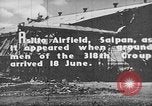
Aslito Airfield as it appeared when ground men of the 318th Fighter Squadron arrived on 18th June, 1944, Saipan Island.
The Pacific Campaign of World War II on the Island of Saipan, Mariana Islands. Aslito Airfield as it appeared when ground crews of the 318th Group arrived on 18th June, 1944. A U.S. Marine as he walks around inspecting the dead bodies of Japanese soldiers. Japanese mess kit showing spilled rice. Several dead Japanese soldiers lying around in the area. Destroyed Japanese aircraft with "NTP-1" written on tail. Demolished hangars and buildings. Fuel drop tanks lying around in the area. Surrounding installations showing the buildings that have been bombed or completely demolished. 804th Aviation Engineers at work clearing the area for camp site using heavy duty equipment such as bulldozers, graders, cranes, and half tracks. Damaged Japanese hangar.
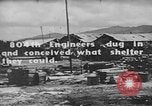
U.S. 804th Aviation Engineers rebuild Aslito Airfield to be used by the 318th Fighter Squadron, Saipan Island, in World War II
Pacific campaign of World War 2 fought on Island of Saipan, Mariana Islands in World War II. Aslito Air Field area showing temporary huts erected by the 804th Aviation Engineers. Men washing clothes in small metal containers. Jeep made into stretcher bearer showing two patients on stretchers on jeep. Medical officers setting up tables and preparing for operation. Men being brought into the hospital. Several of the patients, military and civilian, foreign and Japanese all treated at the same hospital. Wounded Japanese sitting around the outside of the hospital. Small wounded child wrapped in bandages. Several civilians that had been treated at the hospital. Japanese prisoners as they unload the gasoline from trucks, push it across the area, and stack it up in supply dump area. Men pushing the drums of gas onto a truck. Gasoline pouring out of the drum into a trough. Japanese prisoners of war sitting around in the area resting. Grader moving across the finished field. Deck of carrier underway at sea off the coast of Saipan showing the blinker system used to correspond between ships at sea. Tower and operators of the blinker system.
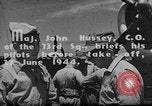
U.S. Army Air Force P-47 aircraft take off from USS Manila Bay, underway off the coast of Saipan, during World War II.
Pacific campaign of World War II in Mariana Islands. Major John Hussey, Commanding Officer of the Army Air Force 73rd Fighter Squadron, 318th Fighter Group briefs his pilots before take off from the Escort Carrier, USS Manila Bay (CVE-61), for their flight to Aslito Field (Isley Field) Saipan. Pilots standing or in kneeling position grouped around the Major as he conducts briefing. Two mechanics as they haul a belly tank out and attach it to the underside of P-47 Thunderbolt aircraft. Naval and Air Force men prepare the planes for take off. Pilots grouped around, talking and smiling. Lt. Joseph J. DeVona stands on wing of his P47D # 31 "Empire Express" while maintenance personnel work on ammunition located in wing. Signal operator for the carrier signaling a P-47 to pull out in position for catapulting. Navy starter gives signal to the pilot for take off. P-47 is moved up into position on catapult, catapult attached to underside of P-47, and plane is readied for catapulting. Navy personnel as they give the various hand signals concerning the movement of plane to fit it into the right position for take off from carrier. Starter as he signals to the pilot and plane is catapulted from the carrier. Lt. Alford Babcock is seen in the cockpit of his P-47 named: "My Baby" as it is catapulted from the carrier. Several other P-47s are seen being catapulted from the Manila Bay. Several flights of P-47s are seen and a large formation of 12 P-47s in flight over water.
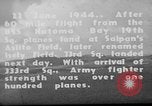
U.S. 19th and 73rd Fighter Squadron P-47s landing on Aslito Airfield, Saipan during World War II
After the battle of Saipan, during World War 2, P-47s of the 318th fighter Group 19th Fighter Squadron are seen flying in from the Carrier, USS Natoma Bay and those of the 73rd Fighter Squadron, flying in from the USS Manila Bay. View from a P-47 approaching Coastline of Saipan Island . Control tower operator on lookout for aircraft. Signal from the tower giving the planes directions for landing. Four P-47s peeling off for landing. P-47s approach and land on Aslito airfield, island of Saipan. Fliers standing around their aircraft watching other planes come in for landing. 19th Fighter Squadron P-47s taxiing into parking area. Pilot talking to the crew chief of his plane. View across airfield showing the demolished hangar building with P-47s in 19th Fighter Squadron's dispersal area. Fuel Trucks and ground crew personnel attend to the arriving aircraft. One of the P-47s carries the name: "Jackie Eilen" and another, the name "Angel." (Note: Although written introduction to this film refers to 11 June, the events depicted occurred after 20 June, 1944. The invasion of Saipan did not begin until 15 June, 1944. Aslito Field was captured on 19 June, 1944. The first P 47 aircraft (a few) arrived on 20 June, 1944 while the Seabees were working to make the field operational.)

U.S. 318th Fighter Group personnel arriving at Saipan Island during Pacific Campaign of World War II, Mariana Islands.
The Pacific Campaign of World War II on the Island of Saipan, Mariana Islands. Captured Japanese planes are inspected by newly arrived U.S. pilots. Pilots as they go out and start looking at various types of Japanese aircraft which were left on the Aslito airfield of which the Japanese troops were unable to destroy before retreating into the hills. Destroyed Japanese Zeros on ground at the airfield. Remainder of the 318th Fighter Group personnel arrive in freighters. Various freighters moving into the harbor area. Men walking down the gateway into water and marching across the water to shore getting out of LST (Landing Ship, Tank).
CRITICALPAST.COM: About Us | Contact Us | FAQs - How to Order | License Agreement | My Account | My Lightboxes | Shopping Cart | Advanced Search | Featured Collections | Website Terms & Conditions | Privacy Policy ©2026 CriticalPast LLC.
License Agreement |
Terms & Conditions |
Privacy Policy
©2026 CriticalPast LLC.