


 Francais
 Deutsch
 Italiano

Refine Your Search
-Cebu,-Philippines stock footage and images
- Showing 37267 to 37272 of 58987 results more
 Hide
Color Sound
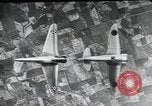
U.S. military training film demonstrates skills taught to soldiers,and how to conduct various combat operations
Film based on advantages and procedures of using U.S. Army training films to instruct troops during World War 2. Animated film depicts aircraft identification methods in World War 2 to distinguish between aircraft of friend and foe in flight. U.S. aircraft on flight line. Propeller of aircraft. Engine of aircraft. Instructor teaches men about electricity functions which demonstrates operations of a spark plug, radio vacuum tubes, telegraph fuse, and recoil mechanisms. Shows how signal communications are maintained by use of wire on field. U.S. troops drive army jeeps, tanks, and trucks. Soldier repairs a tank. Correct posture of a cavalry soldier while riding a horse. Barrage balloon in sky above a U.S. ship in harbor. Soldiers work on a balloon fiber and on folding a balloon. Demonstration to build a bridge and how to destroy it with demolition blast. Soldiers fire various artillery guns. Demonstration about rifle squadron maneuvers in combat. Animation depicts how Quatermaster Corps get supplies to field of action.
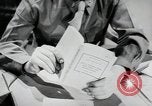
Demonstration of how and when U.S. military instructor should select and present training films to troops, United States.
Film based on advantages and procedures of using U.S. Army training films. A U.S. military instructor reads from Field Manual 21-7 which contains list of several training films and their brief descriptions. Instructor makes notes at his desk. Instructor makes a phone call and screens a film, he selected. He makes notes while watching the film. Instructor speaks to a group of men seated in class who are to watch the training film. He outlines the significant points of the film. Men watch the film as general introduction of subject. It is explained why and the how the film is reviewed. Men at work carry out actual procedures they were shown in the film. It is explained when not to show the training film to troops. Troops march through heavy mud. Tired soldiers yawn. A soldier takes a nap while watching a film. An instructor in a training class. Trained troops march on a field. (World War II period).

A Japanese mother and child with the burns on their bodies due to atomic bomb attack in Hiroshima carried out in World War II.
Medical treatment for victims of atomic bomb attacks in Hiroshima during World War II. A Japanese mother Hideko and her child Tako Irie strapped at her back, the same position when they faced the attack. The mother's face and entire body is burned while only the child's legs, which are protruding, are burned. The mother's body protected the rest of the child, including it's face and body. Mother undressed with child on her back. Straps being removed from her breasts to and the unburned areas where the straps were at the time of the blast. Mother turns body to show child's structure and burns on legs. Face of child without any burns, contrasts with bad burn scars on mother's face.

A Japanese woman shows radiation affects on body after atomic bombings of Hiroshima during World War II.
Victims of atomic bomb attacks in Hiroshima during World War 2. Japanese woman Masuda's face and upper portion of body. Result of radiation on her body. Medical nurse points to line of demarcation where pants protected body from burn.

A Japanese woman shows burns on her back due to atomic attacks in Hiroshima during World War II.
Victims of atomic bomb attack carried out by United States over Hiroshima during World War 2. Japanese woman Hosotani shows regrowth of hair. She rotates her head further to reveal regrowth of hair. Entire back of patient with variations of burn area where kimono was doubled. Japanese medical doctor points out where kimono was doubled.

A patient with radiation affects on his arm after the atomic bomb attack in Hiroshima during World War II.
Shows medical issues faced by victims of atomic bomb attack in Hiroshima during World War 2. Doctor removes dressing from the hand of a patient. Shows radiation affects on the hand.
CRITICALPAST.COM: About Us | Contact Us | FAQs - How to Order | License Agreement | My Account | My Lightboxes | Shopping Cart | Advanced Search | Featured Collections | Website Terms & Conditions | Privacy Policy ©2026 CriticalPast LLC.
License Agreement |
Terms & Conditions |
Privacy Policy
©2026 CriticalPast LLC.