


 Francais
 Deutsch
 Italiano
Refine Your Search
Adak Alaska USA 1943 stock footage and images
- Showing 7801 to 7806 of 27425 results more
more Hide
Hide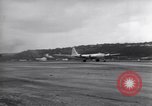
General James Harold Doolittle enter B-29 Stratofortress with pilot and General at controls in the United States.
General James Harold Doolittle inspect B-29 Stratofortress in the United States. B-29 Superfortress taxis and takes off. Planes parked in the background. Insignia of United States. Another B-29 turns on a runway. General James Harold Doolittle stands near B-29. General Doolittle and pilot enter B-29. General at controls. He looks out from the window of B-29. General Doolittle gets in the car.
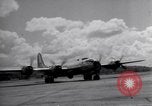
U.S. General James H. Doolittle enters a B-29 Stratofortress in the United States.
U.S. General James Harold Doolittle inspects a B-29 Stratofortress in the United States. B-29 takes a turn on a runway. General Doolittle stands near a B-29. He and the pilot enter the B-29. The General at the controls. He looks out the window of the B-29. Another B-29 parked in the background. B-29 taxis and takes off.
U.S. General James H. Doolittle inspects a B-29 Stratofortress in the United States.
U.S. General James Harold Doolittle inspects B-29 Stratofortress in the United States. General Doolittle gets into a B-29 and then comes out. He is escorted by officers and he gets into a car. B-29 taxis and takes off. Planes parked in the background. B-29 taxis on the runway.
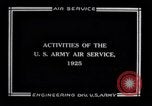
DH-4 De Havilland and Curtiss PW-8 Hawks taxi and take off during winter maneuvers of First Pursuit Group in Oscoda Michigan
Winter maneuvers of First Pursuit Group of United States Army Air Service in Oscoda Michigan. Airmen carry fuel in a container. DH-4 De Havilland is refueled. The wheels of DH-4 are replaced by skies. Airmen stand near the planes. Curtiss PW-8 Hawks parked. Aircraft taxis and takes off.
Curtiss R3C-2 , Gloster Napier III and Maachi Flying Boat in flight during the Schneider Cup Race in Baltimore, Maryland.
The Schneider Cup Race for the fastest seaplane in Baltimore, Maryland. A Curtiss R3C-2 (US Air Service) at the race and U.S. airmen stand around the plane. U.S. Army Air Service Lieutenant James H. Doolittle in the cockpit. Airmen push the plane in water. Gloster Napier III seaplane of England is being pushed into the water. Maachi Flying Boat of Italy in the water. Seaplanes in flight. The race is won by Curtiss R3C-2 (US Air Service). Lt. James H. Doolittle leaves the R3C-1 and is being congratulated by Mrs. Doolittle and the Chief of U.S. Army Air Service Major General Mason M. Patrick.
A United States Army Air Service parachutist opens his parachute and jumps from an aircraft in Baltimore, Maryland.
United States Army Air Service activities in Baltimore, Maryland. A parachutist stands on the lower wing of a biplane. He opens the parachute and jumps from the aircraft.
CRITICALPAST.COM: About Us | Contact Us | FAQs - How to Order | License Agreement | My Account | My Lightboxes | Shopping Cart | Advanced Search | Featured Collections | Website Terms & Conditions | Privacy Policy ©2026 CriticalPast LLC.
License Agreement |
Terms & Conditions |
Privacy Policy
©2026 CriticalPast LLC.