


 Francais
 Deutsch
 Italiano
Refine Your Search
Adak Alaska USA 1943 stock footage and images
- Showing 18067 to 18072 of 27381 results more
more Hide
Hide
Report from Texas about the state's contribution to World War II.
Report from Texas: Texas' contribution to World War II on both battlefield and home front. Cowboys on horseback gallop across ranch terrain toward camera position. Man on horse herding cattle. Texas increases its production of synthetic rubber, magnesium, sulphur and agricultural products. Factories and industries. Construction work underway. An airfield. Soldiers march. Downtown street views and town views of commercial centers with traffic, pedestrians, shops, and businesses in various areas of Texas including Dallas, Amarillo, Houston, Fredericksburg (with view of the Hotel Nimitz), Ft. Worth, Pampa, Kerrville, San Antonio (with views of the Alamo), Kilgore, (view of many oil well towers), El Paso, Beaumont, Wichita Falls, San Angelo and Austin. City road signs identifying many of those cities are also seen.
Texas' contribution on the home front to the war effort through industrial development during World War 2
Texas' contribution in the World War II worker effort on the home front. Cattle and sheep ranches, dairy farms, rice fields, turkey ranches, oil fields, wheat fields, fruit farms and power plants in Texas. Many oil derricks or oil wells close together in an area. Cranes operating in a ship yard. Women work at shipyard building United States navy ships. Men work on wings in an airplane factory. Oil pumped in an oil well. Rice farmers use tractors to harvest the crop. Magnesium made from rocks and sea water. A man stacks finished magnesium blocks. Dams in Texas. Farmers pick cotton by hand. A man picks cotton by operating a mechanized cotton picker. Farmers harvest a field of sorghum. Helium cylinders seen at the Amarillo Helium Plant. Thick black clouds seen due to burning of carbon black in the manufacturing of synthetic rubber.
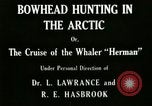
Cruise of the Whaler Herman; also San Francisco harbor views early 1900s
The Cruise of the Whaler Herman by Dr. L Lawrence and RE Hasbrook. A depiction of life aboard a whaler on a trip to the Arctic. The whaler Herman at the San Francisco docks. Crew readies the whaler and prepares to leave. A man stands near camera equipment and waves goodbye to the crew. Men on the pier. The San Francisco skyline as the whaler leaves the docks. Crew fishing aboard the ship. They arrive at Unalaska. Houses and an old church. Native children. Crew prepares its harpoon rope tubs. The whaler at the Dutch harbor. A steamer at the dock. Coal brought in wheel barrows on tracks. Men work with shovels. The whales departs for the North.
Construction of new buildings in New York City.
Men using huge machines to construct new buildings and demolish old ones in New York City. Men saw planks at the city harbor. Trucks at construction site. Man operates crane. An excavator digs and removes mud. A construction worker. Buildings in the city. Water at the site. Huge glass windows on a building. A crane lifts material. Hook on a crane. Reflection in glass windows. Worker welds, sparks fly. View of the city through the unfinished building. Building under construction. Man climbs up a support beam.
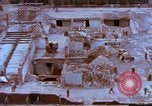
Men using huge machines construct new buildings and demolish old ones in New York City.
Men using huge machines construct new buildings and demolish old ones. Rubble lying around as machines demolish a building. Men erect a fallen pillar. They pull down a structure. Burning of old material. A man tries to put out the fire. Demolition of old buildings. New buildings in the background. Pigeons on an old building. Buildings under construction. Cranes at the site. Smoke stacks in the background. Machines at the site.
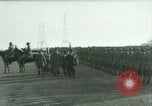
President Woodrow Wilson reviews Army units at Fort Myer during World War 1.
President Woodrow Wilson reviews Army units at Fort Myer. Officers on horses. Troops ready for inspection. The President and other officials arrive for the ceremony. The President along with Secretary of War Newton Diehl Baker on stage. They inspect the troops. Soldiers approach the stage, greet the President and salute. A photographer takes pictures. People watch the event.
CRITICALPAST.COM: About Us | Contact Us | FAQs - How to Order | License Agreement | My Account | My Lightboxes | Shopping Cart | Advanced Search | Featured Collections | Website Terms & Conditions | Privacy Policy ©2026 CriticalPast LLC.
License Agreement |
Terms & Conditions |
Privacy Policy
©2026 CriticalPast LLC.