


 Francais
 Deutsch
 Italiano
Refine Your Search
Australia 1942 stock footage and images
- Showing 1423 to 1428 of 2479 results more
more Hide
Hide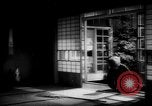
Interior of Japanese homes and children play on the streets in Japan.
Psychology and living habits of Japanese people. Precision and planning details in Japanese houses. Mats in a Japanese home. The home is free of heavy furniture and is simply furnished. Women wear traditional dresses. Artistic calligraphy and paintings on walls. Arrangement of flowers in home. A Japanese family eats dinner. The family sits together for the dinner. A man and a woman in a Japanese house. Children play on the streets.
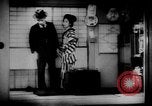
A Japanese couple drinks tea during a Japanese tea ceremony in a Japanese home.
Psychology and living habits of Japanese people. Precision and planning details in Japanese houses. A Japanese couple in their home. The man is dressed in western dress and his wife is dressed in traditional kimono. They sit on the mats to drink tea. The Japanese woman serves tea with precision. The tea ceremony is elaborate. The woman enters the room and slides the door.
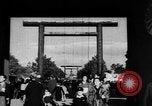
Religious ceremonies and customs in Japan and a Japanese community bath.
Psychology and living habits of Japanese people. Religious ceremonies and customs in Japan. Japanese people visit the religious place. They wash hands and face. The Japanese ring a bell or clap to gain God's attention. A woman with a child prays to God. A father eats dinner with his son in a Japanese home. The Japanese boy lays food offering in memory of his dead mother and then eats his rice. Japanese men and women take bath in a Japanese community bath.
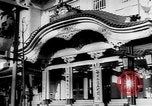
A play being staged in a Japanese Theater and Japanese version of Jacob's Ladder.
Psychology and living habits of Japanese people. A Japanese Theater. Audience in the Japanese theater. A play being staged there. The actions in the play are executed in detail. A Japanese actor adjusts his kimono. Japanese actors wear masks or heavy make-up. A Japanese actor puts make-up in the dressing room. The actors change costumes on stage. Japanese version of Jacob's Ladder. The feet of the Japanese Emperor are on the top. Japanese people have their positions on the ladder according to the hierarchy of social strata.
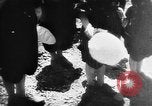
Hierarchy of social strata in Japan and subjects bow to the Japanese Emperor.during World War II
Psychology and living habits of Japanese people. Hierarchy of social strata in Japan during World War 2. Japanese children bowing. A little boy bows to a woman. A woman in kimono bows to a man. A young man bows to his parents. Civilians bow to military personnel. Subjects bow to Emperor Hirohito. Emperor Hirohito riding a white horse. Japanese people come out of their homes and bow as Emperor Hirohito’s convoy passes by. Posters on the walls remind the Japanese civilians of their duties. Japanese calligraphy reads 'Duty is heavier than mountains and death is lighter than a feather'. A dying old man rises from his futon. Dying man bows to the Japanese Emperor. Japanese samurais bow to the Shogun during the Tokugawa era. A Japanese couple in their home. The man sits on the cushion and the woman sits on the mat. A woman bows to the couple. A Japanese woman in western clothing bows to her husband. A modern Japanese woman argues with her fiancé. breaks her engagement. A Japanese photograph depicting a man standing. A Japanese kabuki melodrama exemplifies the duties which each person owes to others. A Japanese kabuki performer dances on stage. Men escape a tunnel during a kabuki play. A kabuki actor plays a distraught servant.
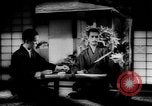
Japanese men with their traditional sword and Japanese soldiers fire in a battle field.
Psychology and living habits of Japanese people. Hierarchy of social strata in Japan. Two Japanese men wear traditional dress and sit in their home. A man holds his traditional Japanese sword. The Japanese are loyal to those who are higher to them in the hierarchy of social strata. Japanese soldiers in a battle field. The Japanese soldiers are motivated by raising the sword. The sword signifies that they have to fulfill their duty to Japanese Emperor Hirohito. Smoke rises up due explosions. Japanese soldiers fire and advance. (World War II period).
CRITICALPAST.COM: About Us | Contact Us | FAQs - How to Order | License Agreement | My Account | My Lightboxes | Shopping Cart | Advanced Search | Featured Collections | Website Terms & Conditions | Privacy Policy ©2026 CriticalPast LLC.
License Agreement |
Terms & Conditions |
Privacy Policy
©2026 CriticalPast LLC.