


 Francais
 Deutsch
 Italiano
Refine Your Search
British-Gliders stock footage and images
- Showing 319 to 324 of 3412 results more
more Hide
Hide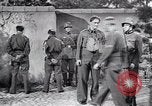
Interrogation of a British soldier by Germans leads to the bombing of a large gathering of British troops
An enactment shows captured British soldiers being interrogated by an officer. One soldier gives only name, rank, and serial number even when threatened with stabbing. Another soldier accepts a cigarette from a German officer and inadvertently gives away the position of a mass gathering of British troops, resulting in their bombing. (World War II period).
Views of British Mark IV tank; troops of Royal West Kent Regiment; and British gunners, in World War I
British troops following a Mark IV tank on a road beside war damaged village houses. Troops of the The Queen's Own Royal West Kent Regiment consolidating their positions in a captured German trench. Group of British gunners who have been in action since the Battle of Mons, in 1914, relax and take a smoking break in a trench area.
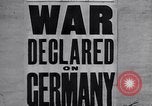
Europe mobilizes for WWI. British, French, and German troops.British Commander Sir John French. French Commander Joseph Joffre
World War I poster reads: "War Declared on Germany." British Commander in Chief, Sir John French,on horseback, reviews mobilized British troops on the march. French soldiers pass through castle gates. "Les Gratia" engraved in stone above gate. French infantry move through town. French cavalry ride past houses on way to front. French troops in trenches. French 320mm rail gun firing during World War 1 battle. German artillerymen firing 77mm field gun. Buildings being struck by artillery fire. Caravan of French Charron taxicabs drives down street carrying recruits for army. French troops manning positions in trench network. German troops manning positions in trench network. French Commander-in-Chief Marshal Joseph Joffre reviews French troops.
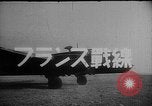
British Armstrong Whitworth Whitley bomber takes off and buzzes field. British in jeeps, small trucks and motorcycles, with sidecars
British Armstrong Whitworth Whitley bomber takes off from grass field and climbs rapidly. The aircraft makes a low-level pass, buzzing the field and pulls up in a steep climb. British soldiers in jeeps, small open trucks, and motorcycles with sidecars fill a road. They cross a small water stream. Officer in the water on a white horse observes. Motorcycles stop in a village, in formation, and all soldiers wave for the camera. (World War II period).
British sailors and officers board British transport ship at a dock in England.
Britain's Bulwarks - film of the "policemen of the allies" on the North Sea.View of a British Monitor war ship underway in the North Sea. Sailors march along a road in queues. Naval band plays as the sailors march past. British transport ship at dock. Sailors and officers board the ship. Canons loaded on the ship through cranes. Men and horse disembark ship. Loading operations at dock.
British film intended to acquaint British people with United States landscape, rail transportation, and farming history.
British World War 2 era film showing scenes in the United States from earlier in the 1900s. Film opens showing 19th Century animated map of the United States. It traces the development of the railroads in the U.S. It shows rail lines reaching the Missouri River by the year 1860. (Narrator states this took 250 years to happen.) But in another 10 years, the map shows the Union Pacific and other rail lines extending two the West Coast, and U.S. commerce shifting, from North-South movement, to East-West (with an animated steam locomotive moving across the map). Chicago is highlighted as the greatest railway junction in the world (the "Piccadilly Circus" as the British narrator describes it). View of a late 1800s model steam locomotive train pulling freight railroad cars on railroad tracks in a desert area of the Western United States. Point of view from camera on moving railroad train pointing straight down at railroad tracks moving by at high speed. Landscape and wide views of the arid Western parts of the U.S. Group of Native American Indians watching a railroad train pass. Construction supplies being offloaded from a train. A wind-driven water pump. Buffalo herds affected by the railroads. Wire fencing installed to control cattle on large Western ranches. Large team of horses pulling late 1800s wheat harvesting farm equipment as it harvests wheat in fields. Views of wheat grains being poured at high volume. Cattle roaming in the high country. Views of Chicago stock yards. A man marking in chalk on a Board of Trade chalk board, indicating the prices of farm commodities including wheat, corn, oats, and rye. Various views of steam locomotives pulling trains throughout the rail network, including some 20th century trains near the end of the film, and some close-up views of wheels turning fast on moving railroad trains.
CRITICALPAST.COM: About Us | Contact Us | FAQs - How to Order | License Agreement | My Account | My Lightboxes | Shopping Cart | Advanced Search | Featured Collections | Website Terms & Conditions | Privacy Policy ©2026 CriticalPast LLC.
License Agreement |
Terms & Conditions |
Privacy Policy
©2026 CriticalPast LLC.