


 Francais
 Deutsch
 Italiano
Refine Your Search
Bruchsal Germany 1945 stock footage and images
- Showing 2161 to 2166 of 10471 results more
more Hide
Hide
German raider comes in for repairs with survivors Eitel Fredrick in Germany.
German raider comes in for repairs with survivors Eitel Fredrick in Germany. A ship in the sea. Children stand along with men on ship. Man smokes. Smoke from the steamer.

German man works at an ammunition factory in Germany.
Men work at an ammunition factory in Germany during World War 2. German war production worker seen working on a machine. Preparation of gun barrels. Gun barrels are lathed and milled. Other men work in the factory. They construct the rifles and barrels. Views of bullets being manufactured at munitions factory.

Men work at an ammunition factory in Germany.
German men work at ammunition, weapons, and aircraft factories in Germany during World War 2. Men work on the machines to manufacture weapons. They construct artillery. Stockpiles of rifles, heavy artillery, antiaircraft guns and shells on the factory floor and storage areas. German soldiers hold rifles. Closeup views of faces of German soldiers holding weaponry. Bomb shells in the factory being produced. Men building and assembly German aircraft sections including cockpits and gun turrets.

Dress designers at a building in Germany.
Dress designers at a building in Germany. Women make sketches of the dresses on the sheets. Officers move towards the building. They sit in the conference room.
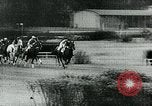
Spectators watch horse-race in Germany.
Spectators watch horse-race in Germany. Men on horses in the street. Bicycle race on the street. Houses asides the street. Men watch. Boxing match in a ring. Referee intermediates between the boxers. A large crowd gathers in a stadium to watch a football match.

Men working in a gun factory in Germany.
German men working in a munitions and war materiel factory in Nazi Germany during World War 2. Industrial steel melting operations. Metal being melted and molded in the factory. Artillery and gun barrels being manufactured. Metal ingots in process in the factory. Close up views of workers watching the whole process and working. Manufacturing of ordnance shells in the factory. The metal ingots inserted into a container and manufacture of shells takes place.
CRITICALPAST.COM: About Us | Contact Us | FAQs - How to Order | License Agreement | My Account | My Lightboxes | Shopping Cart | Advanced Search | Featured Collections | Website Terms & Conditions | Privacy Policy ©2026 CriticalPast LLC.
License Agreement |
Terms & Conditions |
Privacy Policy
©2026 CriticalPast LLC.