


 Francais
 Deutsch
 Italiano
Refine Your Search
Dong Tam Vietnam 1968 stock footage and images
- Showing 3613 to 3618 of 4393 results more
more Hide
Hide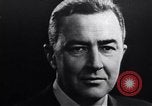
Candidates for the Presidency of United States express their grief on Martin Luther King's assassination.
Candidates for the Presidency of United States express their grief on Martin Luther King's assassination. Faces of Eugene McCarthy, Richard Nixon, George Wallace, and Robert Kennedy shown. Also shows Dr. Martin Luther King addressing the masses. African American woman sings "Oh God Our Help in Ages Past" at the Crump Stadium in Downtown,Memphis, during what was known as the "Memphis Cares Meeting" following Dr. King's death. Thousands of people present at the event.
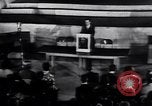
Memorial service paying tribute to Martin Luther King Jr.
Evangelist Billy Graham preaches and speaks out of affection and admiration for Dr. Martin Luther King at a memorial service in United States. He expresses his tribute to Martin Luther King. Close-up views of various women and men mourners in grief at the service as they listen to Graham. Also shows Martin Luther King Jr. addressing the masses at the Lincoln Memorial in Washington DC.
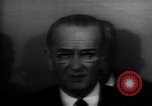
U.S. President Lyndon Baines Johnson pays tribute to Martin Luther King.
U.S. President Lyndon Baines Johnson speaks out of affection and admiration for Dr. Martin Luther King and condemns his assassination. He expresses his tribute to Martin Luther King and urges America to cherish King's dream.

Riots and looting following Martin Luther King's assassination in United States.
African American man speaks on the assassination of Civil Rights leader Martin Luther King. King' picture near him. Scenes of riots after King's assassination. Roy Wilkins condemns the riots and looting. Scenes of looting. Police maintain order. Sammy Davis junior makes a speech.
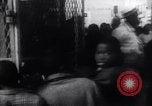
Riots following Martin Luther King's assassination in United States.
Shows African Americans looting shops during the riots following Martin Luther King's assassination. Crowd of people looting and stealing from stores. The Rev Wyatt Walker, close friend of Martin Luther King Jr, condemns the riots. Police maintains law and order. James Brown makes a public speech.
Recap of slavery, the Civil War, and job integration in the United States, in the context of the civil rights movement.
African American and white children swim and play in an integrated swimming pool in the United States in the 1960's. A black man beside a white man working on an integrated engine car assembly line. A black shoe shine man. A black street sweeper. Narrator indicates that African American workers are in increasingly skilled jobs and supervisory positions. A black draftsman in an officer environment. A black bank manager gives an application to a black woman. Huey Newton leads the Black Panthers in a protest. Stills portray trade and transport of African American slaves. Stills show the Civil War in the United States, and aftermath of war showing blacks voting and as politicians during reconstruction. Footage of African American people working on farms in cotton fields picking cotton, including boy and girl child laborers picking cotton. Footage of a Rust Cotton Picker machine in operation as African American workers watch. American troops, including African American soldiers of the U.S. Army 369th Infantry "Harlem Hellfighters", marching in victory parade in the United States after returning from World War 1. View of segregated African American soldiers in the parade in New York City cheered by parade attendees. Brief scene with Henry Johnson on the side of the parade route being congratulated by civilians. (Johnson and Needham Roberts received the Croix de Guerre for exceptional heroism). Black and white workers entering or exiting a factory during World War 2. Black American troops and Tuskegee Airmen pilots in segregated units during World War 2. The Tuskegee pilots in uniform gathered together during a briefing on an airfield. View of U.S. military forces comprised of white and black personnel, integrated beginning in 1947. A white officer gives binoculars to a black soldiers.