


 Francais
 Deutsch
 Italiano
Refine Your Search
Etain France 1944 stock footage and images
- Showing 5965 to 5970 of 9964 results more
more Hide
Hide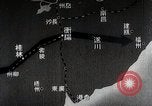
Animated map shows Japanese counter-attack against American forces and views of a deserted airfield in China (WW2)
Animated map shows Japanese counterattack from Changsha and Canton (Guangzhou) against American forces moving towards Fuchow (Fuzhou). View of a deserted airfield near Kweilin (Guilin) where Japanese ousted Americans. Artillery shells. Transporter train passes away. (World War II period).
German soldiers operate a remote-controlled Goliath tracked mine and blow up a tank on a snow covered field in Europe.
German soldiers ready a Goliath tracked mine demolition vehicle and hide behind the bushes during World War 2. Remote-controlled tracked demolition vehicle (also known by the Allies as Beetle Tank or robot tank) seen on a snow covered field. German soldiers operate the remote-controlled Goliath Tracked Mine and blow up a tank on a snow covered field.
Japanese troops bombard and fire on Changsha in China (WW2)
Imperial Japanese Army troops advance on Changsha, Hunan Province, China during World War II. View of boats in a lake. Japanese bombers bombard at the mountains and field in China. Explosions over the mountains. Japanese troops go with artillery to attack. The troops firing artillery. Wreckage and debris. Invading Japanese troops bombard and fire. Battles ensue and Japanese win. Exterior of a building. Japanese troops on horses.
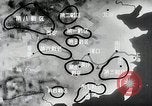
Japanese troops destroy American aircraft and indoctrinate Chinese civilians during World War II.
Japanese troops and their advance during World War II. Animated map. Captured weaponry. Destroyed American aircraft. Chinese alphabets. An officer explains the map to military personnel. Military personal seated listen about the economic goals of peace and prosperity of the Empire. Japanese indoctrinate Chinese civilians.
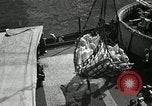
Supplies loaded on USS Mississippi in Pacific Ocean.
USS Mississippi and loading of supplies in the Pacific Ocean. Crane raises net full of supplies from boat alongside & lowers same to deck. U.S. soldiers and officers inspect the loaded supplies on USS Mississippi. Supplies loaded on ship. Workers open the net full of boxes and carry it away. Crane raises net full of supplies from boat alongside. (World War II period).
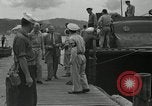
Soldiers watch a show of Jack Benny and party aboard a ship in the Pacific.
USO Show of Jack Benny and party in the Pacific Ocean theater during World War 2. American entertainer, Jack Benny walks along dock with guards. Jack Benny & party walk along dock. Men on tree watch show. Crowd of sailors and soldiers seated on lawn watches show. People talk.
CRITICALPAST.COM: About Us | Contact Us | FAQs - How to Order | License Agreement | My Account | My Lightboxes | Shopping Cart | Advanced Search | Featured Collections | Website Terms & Conditions | Privacy Policy ©2026 CriticalPast LLC.
License Agreement |
Terms & Conditions |
Privacy Policy
©2026 CriticalPast LLC.