


 Francais
 Deutsch
 Italiano

Refine Your Search
Greek-Civil-War stock footage and images
- Showing 19243 to 19248 of 27579 results more
 Hide
Allied planes lay smoke screen on the beach during the invasion of Iheya Jima Island of Japan.
Allied invasion of Iheya Jima, Japan during World War II. Allied landing crafts and ships at the harbor. A destroyer fires at the beach. United States 2nd Marine Division troops loaded in LVT (Landing Vehicle Tracked) underway at sea. Landing craft move towards the beach. An Allied plane lays a smoke screen. Landing craft in the foreground.

Wounded Japanese receive medical aid during the invasion of Iheya Jima Island of Japan.
Aftermath of Allied invasion of Iheya Jima, Japan during World War II. A Japanese woman. A wounded native man receives medical aid. Men and women sit in a line. Elderly women wounded due to Allied attacks. A child given blood plasma by allied medics. A Japanese man carried away on litter. United States Navy Corpsmen treat a native. LCT (Landing Craft Tank) and LVT (Landing Vehicle Tracked) on the beach. A Japanese woman and a child seated on the ground as they talk to an Allied soldier.

United States Military police officer guards the natives after the invasion of Iheya Jima in Japan.
Aftermath of Allied invasion of Iheya Jima in Okinawa, Japan during World War II. A wrecked town on the island. A United States soldier rides a burro. A military police officer guards over a group of natives. Pillbox of burial tomb blasted by Allied naval guns. A man at the beach with Landing Vehicle Tracked underway in the background. Soldiers load supplies onto a truck.
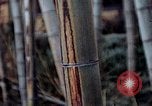
Effects of flash burn on a tombstone at a cemetery in Mitake Machi, Hiroshima, Japan.
Aftermath of atomic bomb explosion in Hiroshima, Japan during World War II. Effects of flash burn on bamboo trees grown on a levee in Mitake Machi, Hiroshima. Flash burn on a tombstone in cemetery. A circular flash burn on a granite tombstone caused at the time of the explosion of atom bomb. Incense burner removed and the circular flash burn. A pencil used to illustrate the shadow area. Base of the monument with two holes on each side to hold flowers. Flowers removed from one side and the effect of flash burn becomes apparent.

Shadow details and flash burn effects on various structures in Hiroshima, Japan.
Shadow details and flash burns caused due to atomic bomb explosion in Hiroshima, Japan during World War II. A stone monument with effects of flash burn caused due to atomic explosion. Base of stone lantern and the shadow cast by upper section on flash burnt base. Flash burnt base of the monument. Granite Pekinese monument with flash burn effects on the head and face. A line of demarcation on the head of the monument shows the area affected by flash burn. A man points at the area.

Shadow details and flash burn effects on the base of a stone lantern in Hiroshima, Japan.
Shadow details and flash burns caused due to atomic bomb explosion in Hiroshima, Japan during World War II. Base of a stone lantern indicates flash burned area and shadow cast by an additional stone which rested atop at the time of the blast. Corners with flash burned and protected parts. A stone railing. Shadow cast on the base of Shinto shrine entrance by a post which was swept by the blasts.
CRITICALPAST.COM: About Us | Contact Us | FAQs - How to Order | License Agreement | My Account | My Lightboxes | Shopping Cart | Advanced Search | Featured Collections | Website Terms & Conditions | Privacy Policy ©2026 CriticalPast LLC.
License Agreement |
Terms & Conditions |
Privacy Policy
©2026 CriticalPast LLC.