


 Francais
 Deutsch
 Italiano
Refine Your Search
Greek-Civil-War stock footage and images
- Showing 2713 to 2718 of 27482 results more
more Hide
Hide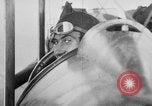
Eddie Rickenbacker and Jimmy Meissner in a staged fight against a captured German plane in France during World War I.
Activities of United States 94th Aero Squadron in France during World War I. The film-making in this clip is as described in chapter 33 of the book, "Fighting the Flying Circus" by W. David Lewis. Eddie Rickenbacker in the cockpit of a DH-4 aircraft (posing as a Spad) in flight during World War I. He is in a mock duel against a captured German Hannover aircraft. Several aircraft manuevering in the sky. Smoke from tracers (incendiary bullets). Various allied aircraft pass close by. View of James "Jimmy" Armand Meissner from the 94th Aero Squadron in front seat of DH-4. Aerial view of the ground. Clouds all around. Rickenbacker's Spad aircraft with number "1" painted on side seen in fight around 3 minute mark on clip.
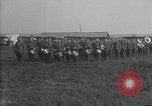
Fliers, of U.S. 94th Aero Squadron, receive American and French decorations in France during World War I.
Activities of United States 94th Aero Squadron in France during World War I. United states101st Infantry soldiers play drums and march at Airbase in Rembercourt, France, during World War I. U.S. General Hunter Ligget reviews the parade. Soldiers lined up as the General reviews them, accompanied by high ranking French officers. A French General presents the Croix de guerre medal to three fliers of 94th Aero Squadron, including Captain Eddie Rickenbacker. General and other officers salute as soldiers march past them. U.S. Major General Hunter Liggett, and another U.S. Major General converse. Soldiers, including contingents of French troops continue to march in review. Aircraft and a hangar visible in the background. Major General Hunter Liggett and another U.S. Major General, pose with French officer counterparts.
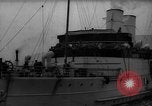
First set of African American U.S. Army nurses arrive in England and Brigadier General Davis welcomes them during World War II.
African American nurses in England during World War II. African American nurses on deck and lining rail of a ship as it comes to the dock. Brigadier General Benjamin O Davis waves to the nurses. Nurses move down the gangplank. General shakes hands with a medic and welcomes the nurses to England. In his speech Brigadier General Davis notes their status as the first "colored nurses" to arrive, and that he has read in a colored magazine that colored ambulance drivers and colored stretcher carriers have a good reputation for their caring service in the war. He expresses hope that the nurses would live up to the tradition of their profession. African American nurses move down the gangplank across the dock. They walk down the railroad platform by a waiting train. Brigadier General Davis talks to the Captain in charge of the nurses. Red Cross women hand over coffee and doughnuts to the nurses in the train and the train pulls away.

Red Cross supply food and other essentials to prisoners of war in Geneva, Switzerland.
Red Cross supplies for prisoners of war during World War II. Supply boxes carrying food and other essential items piled up in a huge Red Cross warehouse. A sign on a box reads ' From: American Red Cross To: International Red Cross '. Men load boxes in a train to be transported to Munich. Train pulls away.

Role played by women in United States during World War II.
'No Exceptions' A dramatization shows a soldier writing a letter to his mother back home in United States during World War II. He writes about the day's fighting and how the soldiers fought bravely. He also acknowledges the role played by women in the war efforts. Women serve the community as nurses, looking after children, managing their homes and knitting sweaters. A woman runs a canteen.

Harry S Truman expresses the possibility of using Atomic bomb against China during Korean War.
President Harry S Truman in the United States. He does not deny the possibility of using atom bomb against China during the war in Korea. View of an atomic bomb explosion. Civilian refugee victims of Korean War flee their homes with belongings on their backs. People gather on grounds of the Vatican in Rome and pray for world peace. View of United Nations building in New York and buildings of New York City skyline from across water.
CRITICALPAST.COM: About Us | Contact Us | FAQs - How to Order | License Agreement | My Account | My Lightboxes | Shopping Cart | Advanced Search | Featured Collections | Website Terms & Conditions | Privacy Policy ©2026 CriticalPast LLC.
License Agreement |
Terms & Conditions |
Privacy Policy
©2026 CriticalPast LLC.