


 Francais
 Deutsch
 Italiano
Refine Your Search
Greek-Civil-War stock footage and images
- Showing 2917 to 2922 of 27482 results more
more Hide
Hide
Allied amphibious assault against Japanese held Island in the Pacific, during World War II
Film opens with animated map of the Pacific theater of operations in World War 2. It illustrates Allied advances through network of islands supporting supply lines of Japan. View from an Allied ship in an invasion task force headed to a Japanese occupied island (probably in the Mariana Islands) during World War 2. U.S. troops descend rope net from their transport ship to board landing craft. Numerous landing craft making way in loose formation. Warships in the task force bombard the target island. Huge black explosion occurs. B-25 Mitchell bombers displaying "Z" on tails, are seen briefly in flight. Landing craft maneuvering and approaching the shore where numerous shells are bursting from the naval bombardment. Landing craft number 25, from the USS Bolivar (APA-34) is seen in the water. Troops rush across the sand after leaving their landing craft. Closeups of U.S. troops using small arms and flame throwers to drive Japanese defenders from their caves, blockhouses and other fortifications. Dead Japanese soldiers beside their defensive positions. At the beachhead, several large Landing Craft Infantry LCI(L) 334, 330,335, and 336 are unloading troops into the surf. Closeup front view of troops wading ashore from LCI(L)335. Troops carrying boxes of supplies ashore. At the beachhead, troops are unloading a large truck, while in the background, a Landing Vehicle Tracked is driving away from Landing Ship Tank (LST-47). Her deck is crowded with troops. A tractor drives off a nearby landing craft. Wide view of beachhead jammed with troops and equipment.
Allied planning for the final invasion of Japan in World War II
Scene opens with a map illustrating one possible Allied path for invasion of Japan. It proceeds from India and Burma to China and thence to Japan. A U.S. B-24 bomber is seen landing at a Far East Air field. Next, the Supreme Allied Commander of South-East Command (SEAC) Admiral Lord Mountbatten, is seen posing with Chinese General Li Zongren (AKA Li Tsung-jen) and other high ranking Chinese officers, and then walking with them. Next are views of U.S. General Joseph Stillwell working with staff as they consult maps. Then, Chinese laborers are seen engaged in construction of a bridge over a riverbed, that is to be part of the "Ledo Road,"traversing Burma and providing a highway from India to Chunking, China. Trucks moving over the already completed segments of the road, carry men and war materiel. One truck passes a local native drawing water from a well using a long counterbalanced pole. At the frontier of the roadbuilding, Chinese soldiers chop their way through dense jungles and battle Japanese forces firing at them. A fallen soldier. Allied soldiers shouting as run into a village engaging Japanese forces. Structures in the village burning and spreading in the area. Scene shifts abruptly to an animated map illustrating what are believed to be the Japanese plan for its last desparate defense. It shows them falling back to highly defensible boundaries encompassing sources of supplies needed to sustain their defense. Aerial views of Manchurian landscape. Japanese officials are seen at their administrative offices in Manchuria. Large numbers of Manchurian workers are seen headed to work near a factory. Others are engaged in open pit mining, where explosives are used to expose and ready ores for extraction. Views inside a Manchurian steel plant supporting the Japanese war effort. Japanese military forces are shown moving by horseback in the area, ostensibly to push further into China and add more protection against potential Allied offensives. Likewise, Japanese warships are shown at sea maneuvering to defensive locations. This is all summed up in a map showing the expected disposition and status of military defensives for Japan's final defense (Fortress Japan). Street traffic on a city street in Japan. A large group of Japanese women in traditional dress, carry banners and quietly bow. View of the Japanese Diet Building (Parliament) and political and Military leaders inside, including Prime Minister Tojo, Hideki.
Japan in final mobilization on the home front during World War II
Street scene in Japan, as Allied Forces make progress toward Japan in World War 2. Cartoons posted to remind Japanese citizens to avoid talking about military matters. Government leader speaking to citizens about the "oratorical conquest of the foe." Camera pans across his outdoor audience. Next, tickets sold in a State Lottery to help pay for the war, are dumped into a tumbler, turned with hand cranks by two men. View of spectators waiting for the outcome as winning tickets are drawn. A man and a women saying farewell to their respective sailor sons, as they prepares to depart for duty. A troop train leaving a station as loved ones wave goodbye to departing servicemen. Next, large crowd of well-wishers wave from shore as the Japanese battleship Aki steams away. Closeup of crew members aboard the ship. Closeup of women pointing and waving from the shore. Views from a boat full of civilians, of the Aki making way in the harbor behind another three-funnel warship. Change of scene shows Emperor Hirohito with officers on horseback, reviewing and saluting Japanese army troops. Views of many Japanese soldiers marching in formations. Change of scene to U.S. Iowa class battleship viewed from overhead, and then to several U.S. battleships heading past the Golden Gate Bridge in California, on their way into the Pacific ocean. Aerial view of the battleships underway in single line formation. The U.S. Destroyer USS Porter (DD-356) passing several other U.S. warships. A Douglas Dauntless dive bombers brought up on the deck of a U.S. Yorktown class aircraft carrier. Navy armorers working on the deck of the carrier, moving bombs and machine gun ammunition. Tail view of the carrier from an aircraft taking off. Aerial view of a U.S. armada of warships and aircraft underway over the ocean. Aerial view of Mount Fuji in Japan.
Military tanks and other armored equipment carried in railroads to a port in United States during World War II
"Railroad play dramatic role in America at war "Military tanks, armored vehicles and other equipment loaded onto railroad flat cars under supervision of engineers in United States during World War 2. Troops board a train. Army cook prepares food and troops eat their meals. Railway control room. Train reaches an embarkation port on the Atlantic coast.
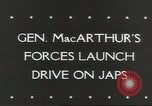
Allied air attack on Japanese positions in New Guinea during World War II
'General MacArthur's forces launch drive on Japanese forces in New Guinea, during World War 2. Allied war equipment including airplanes unloaded at an Australian port. United States B-24, B-17 bombers launch an air attack on Japanese positions in New Guinea. Bombs dropped and cause an impact. Air gunner in one of the bombers looks down at impacting bombs.

A number of casualties in the year 1944 during World War 2
A large number of casualties as a result of World War II. War continues with artillery fired in Belgium, a ship underway in Atlantic, a wounded in Pacific Theater and a graveyard.
CRITICALPAST.COM: About Us | Contact Us | FAQs - How to Order | License Agreement | My Account | My Lightboxes | Shopping Cart | Advanced Search | Featured Collections | Website Terms & Conditions | Privacy Policy ©2026 CriticalPast LLC.
License Agreement |
Terms & Conditions |
Privacy Policy
©2026 CriticalPast LLC.