


 Francais
 Deutsch
 Italiano
Refine Your Search
Iran 1951 stock footage and images
- Showing 325 to 330 of 1204 results more
more Hide
Hide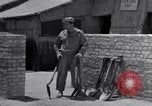
United States soldier handing out shovels to Iranian men
United States soldier handing shovels to Iranian men. The men have their heads covered. United States soldier handing flit guns to native children. Children standing in lines. The native children briefed. Children spraying the village. Children are running in the village. Native children spraying animals. Spraying of marshlands and ditches with chemical pesticide (possibly DDT) to combat malaria. (World War II period).
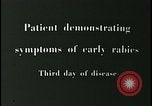
Iranian medical patient suffering early stages of rabies infection
An Iranian villager exhibiting symptoms of early rabies in third day following admittance to hospital, after being bitten by rabid wolf. He is restless and uncomfortable.
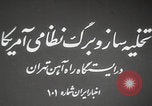
Iranian soldiers unload military equipment from the United States
American military equipment being unloaded from railroad flatcars by Iranian soldiers. A group of men watch a crane moving forward. Crane carries a vehicle. Iranian soldiers ride on Jeeps following a truck. A wagon with a USAID logo on its side. Crane lifts a wagon. Iranian soldiers unload military equipment such as artillery, vehicles, and crates. An Iranian soldier sits on an artillery piece being lifted by a crane. A label reads “From United States of America For Mutual Defense”. Soldiers sit in front of a truck. Tanks and artillery from the United States parked in rows. Iranian soldiers walking past American tanks.
Iranian public demonstrations in favor of nationalizing Anglo-Iranian Oil Company
Peaceful large crowd with banners and flags,supporting nationalization of Anglo-Iranian Oil Company, marches on streets of Tehran. A banner shows a man with chained hands. Gathering is broken up by military vehicles and mounted police on horseback. A mosque in the background.
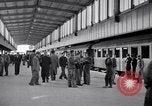
350 Polish refugees bid goodbye to their friends and relatives and leave Tehran for Palestine at the Tehran railroad station.
350 Polish refugees leave Tehran for Palestine at the Tehran railroad station. Train at the platform. People bustle on the platform. People bid farewell to their departing friends and relatives from train windows. Notice boards written in Persian language at the railroad platform. A soldier talks to women sitting in one of the wagons from train windows. (World War II period).
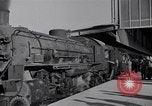
A train carrying 350 Polish refugees from Tehran to Palestine starts from the Tehran railroad station as people bid goodbye.
350 Polish refugees leave Tehran for Palestine at the Tehran railroad station. Train engine at the platform. A crewman stands on its gate. Refugees wave hands and bid goodbye to their friends and relatives. Pull cars of the train move ahead. Cargo cars at the end of train. Four Army cameramen pose before the camera after the train passes on.