


 Francais
 Deutsch
 Italiano

Refine Your Search
Leipzig Germany 1945 stock footage and images
- Showing 4261 to 4266 of 10470 results more
 Hide
Color Sound

German workers raise a Go-242 transport glider using a hydraulic jack in Germany (WW2)
World War II German film (“Arbeitskopie” or “working copy”) showing men lifting a Gotha Go-242 transport glider using a hydraulic jack. The port side of German Go-242 glider front fuselage. Two civilian workers place a large hydraulic jack under the nose of the Go-242 aircraft. They raise the Go-242’s nose section about 5 feet off the ground. Two other civilians place a two-wheel under-carriage under the middle part of aircraft fuselage. View of worker's hands as he attaches wheels to fuselage frame. German soldiers push two side-car motorcycles into rear of aircraft with open half of fuselage. Fuselage drops down and closes as seen from the rear half of aircraft. Interior close ups of the position of two motorcycles with soldiers (possibly paratroopers) sitting in seats. A tractor towing the Go-242 glider on airfield.
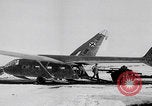
German soldiers loading Howitzers into a Go-242 transport glider in Germany (WW2)
German soldiers loading Howitzers into a parked Gotha Go-242 transport glider on ground covered with snow. The rear of the fuselage is raised. Soldiers pushing in a World War II 105mm type German Howitzer. Two soldiers inside aircraft use hand pulley to pull in the Howitzer. The soldiers load more Howitzers into the aircraft. Interior shots of Go-242 glider as soldier fastens the just close rear part of fuselage. Soldiers continue to fasten and secure the Howitzer to aircraft deck using cloth straps. Go-242 towed by a small truck from right to left. The aircraft goes past ground camera and then right to left again over snow-cleared runway.

Bomb damage to the interior of the Anhalter Bahnhof station and railroad tracks in Berlin,Germany after World War II.
Destruction of infrastructure in Berlin after World War II. Bomb damage to the interior of the Anhalter Bahnhof station in Berlin. Rubble piled up in a square. Damaged railroad tracks at the station. Demolished buildings in the background.
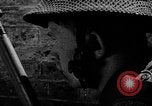
Life in Britain on eve of War. Chamberlain, Hitler and Mussolini signing the Munich Agreement during World War II.
An Allied propaganda film to solidify Anglo-American solidarity within the ranks as well as to counter Nazi propaganda aimed at weakening the alliance shows British soldiers in Great Britain during World War 2. 1938: in the United States New York Yankees win the pennant in baseball; scene of Yankees team members shaking hands. View of aviator Douglas Corrigan nicknamed Wrong Way Corrigan after his accidental flight from New York to Ireland instead of California as planned. View of trains on the 6th Avenue Elevated (or Sixth Avenue El) before that service was halted in Manhattan New York City. British citizens go about their daily life. Derby horse race in a stadium. A British boy and his father shovel dirt for a backyard garden. Players play a football (soccer) game at Wembley Stadium in England as spectators cheer the 1938 FA Cup Final with Preston North End taking the Cup versus Huddersfield Town as George Mutch scores the winning goal. Scenes in Germany: People cheer for German Chancellor Adolf Hitler and give Nazi salute. Newspaper headlines about Czech occupation. Graves in a cemetery. British Prime Minister Arthur Neville Chamberlain, Adolf Hitler Italian Prime Minister Benito Mussolini sign the Munich Agreement. Despite a peace agreement Hitler invades Czechoslovakia. People read 'Military Training Act, 1939'. British soldiers march along a road. View of Adolf Hitler smiling and laughing. Artillery is fired. A poster reads 'Britain Declares War on Germany'. Airplanes in flight and drop leaflets over Germany. German airplanes in flight. Parachutists jump from the airplanes. Hitler talks to officers and considers the war to be over. Radio news broadcast of the British declaration of war on Germany by Neville Chamberlain. Many different British citizens and families shown in living rooms and work places gathered around radios to listen to the so called "We shall fight on the beaches" speech of Winston Churchill on June 4, 1940. Clip includes scenes from 1938 through 1940; from a film produced in 1943.
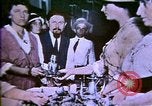
U.S. President Wilson gets reelected as Americans prepare for war during World War I
Events during World War 1. Sketches : In November 1916 newspaper shows Wilson reelected as a president. Cartoon depict the people of America supporting the Wilson's policy of peace. Several sketches of Thomas Woodrow Wilson after winning the election. Second inaugural of President Wilson at the United States capitol in Washington D.C. The German High Command in Berlin. Posters show the hardships of German citizens due to Allied blockade. Germany announces unrestrained submarine warfare against all vessels. Posters of the Germans destroying the American ships. The New York times reports German demarche to Japan and Mexico for support to Germany. Sketch depicts Germany Secretary of foreign affairs, Arthur Zimmermann seeks these alliances. Theodore Roosevelt addresses people. Several sketches of Woodrow Wilson. On April 2nd 1917 President Woodrow Wilson obtains declaration of war against Germany, from congress. American enters the conflict. U.S. Soldiers carry weapons in the battle field. sketches of several American officials. People work in factories to produce war materiel. A person with posters promoting Liberty bonds. A blindfolded person draws numbers from a bowl for civilian conscription. Citizens entering military service. People in a railroad train and others stand outside. People holding baggage walk in a group. A doctor checks the mouth of a recruit. Army recruit getting a haircut. Soldier stands holding guns. Soldiers practice firing artillery. Soldiers march. American recruits practice on wooden guns. Several sketches of the allied armies.
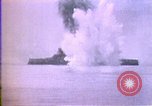
Final days of WW I, and aftermath. Riots in Russia. Treaty of Versailles. League of Nations. Harding elected President
Final throes of World War I and postwar situation. German submarines sinking allied ships. American workers work in war plants. U.S. Army General John Joseph Pershing visits France. American soldiers disembark from a ship in France. Germans defeat Russians on Eastern front and divert troops to the Western front. German soldiers on horse drawn wagons and others walk carrying guns as they move. Riots in Russia after it collapses in war. American soldiers fire field artillery. U.S. President Woodrow Wilson writes letters to countries at war like Germany. Papers with the 14 points to maintain peace. The soldiers of Germany and America on battle field. Dead soldiers on ground. Soldiers carry another injured soldier on a stretcher. The people protest during a rebellion in Germany. Soldiers of America cheer signing of Armistice. Cemetery. .Americans on streets in the U.S. after the war. President Woodrow Wilson goes on a tour of Europe. He sails to different places. Prime Minister David Lloyd George of the United Kingdom, Prime Minister Vittorio Emanuele Orlando of Italy, Prime Minister Georges Clemenceau of France, and President Woodrow Wilson of the United States in France during the signing of the Treaty of Versailles. Map shows the different nations formed after the war. The president returns after his visit. Henry Cabot Lodge, a U.S. senator. President visits different places to explain the peace treaty. Sketches show the President suffering a paralytic stroke and his wife takes his important decisions. Sketch depict the opponents of the peace treaty and the defeat of the league of nations. Warren Gamaliel Harding elected as the new President Harbinger of the future: views of Adolf Hitler on the rise in postwar Germany.
CRITICALPAST.COM: About Us | Contact Us | FAQs - How to Order | License Agreement | My Account | My Lightboxes | Shopping Cart | Advanced Search | Featured Collections | Website Terms & Conditions | Privacy Policy ©2026 CriticalPast LLC.
License Agreement |
Terms & Conditions |
Privacy Policy
©2026 CriticalPast LLC.