


 Francais
 Deutsch
 Italiano
Refine Your Search
Miami Beach Florida USA 1963 stock footage and images
- Showing 7285 to 7290 of 26838 results more
more Hide
Hide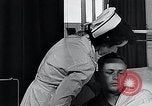
Women performing various duties being trained at the U.S. Women's Army Corps training center in the United States
The role of women in in the United States Army. A nurse helps an injured soldier in a hospital. A physiotherapist moves the leg of a soldier. A women dietitian works in the laboratory. View of Congress, on June 1948, during passage of the Women's Armed Services Act. Colonel Mary A. Hallaren being appointed as the first WAC officer in the regular Army of the United States. General George Marshall witnesses the appointment and swears in Sergeant Bates, as the first enlisted woman in the regular Army, as Colonel Hallaren witnesses. Women recruits arrive at WAC processing center by train. They get into a bus. Women enter the WAC training center. They are issued uniforms. Women being taught military matters in open air classrooms. WAC in close order drill, and donning gas masks.
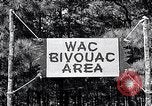
U.S. Women's Army Corps personnel training in different fields and given career advice at the training center
The role of women in the United States Army. A sign reads ' WAC Bivouac area'. Women carry heavy packs and march. During 10 minute break, they sit on ground and talk. Women's Army Corps (WAC) personnel set up tents and line up for chow, eating from mess kits. Women play softball. A woman reads letter from home. A woman drinks from a canteen. Women exercise and do calisthenics. They learn unarmed defense tactics. WAC military police march in formation. A woman being interviewed. Women in classrooms being given career guidance. A woman works on the punch card machine. A man and a woman drafting. Women work in the kitchen. Women work in laboratories. A woman on X ray machine and a solider lying on the table. Dentists check soldier. A woman being commissioned as an officer. Women disembark from a ship. WAC assigned to Japan, Paris or Germany. Views of a Shinto shrine in Japan, the Arc de Triomphe in Paris, and people in Berlin walking through Brandenburg gate British Sector and heading to other side, as German police officers watch. Woman assists male officers in a meeting, as the men view early television screen. View of Patton tank on the move.
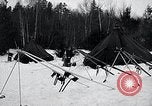
U.S. Women's Army Corps (WAC) personnel learn to live in arctic environment and visit different parts of the world
The role of women in the United States Army. A tent in snow. WAC maneuvers in arctic conditions.A woman soldier brings plates outside the tent. Women wash the plates. Women wear arctic protective gear. A woman wears skis. Women learn skiing. Women learn to wear ski shoes. A woman loads pack on the back of another woman. Women march on snow. Woman cook. Tokyo: Women site seeing. Woman in a hand rickshaw. Woman bargains with the shopkeeper. Paris: women walk in pairs. View of the Eiffel tower. Women view the statue of Venus de Milo. Women skiing. Women watch ice hockey. Germany: Women stationed near Garmisch-Partenkirchen ride in a mountain cable car and arriving at a mountain top station (this appears to be the wooden cable car from BadReichenhall to Predigstuhl Mountain, sometimes called the Grand Dame of the Alps). Women work in office. Women treat soldiers in dispensary. Nurse teaches soldier to walk. Woman take x ray of a soldier.
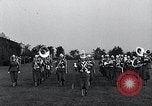
The Women's Army Corps band plays while marching and Matthew Ridgway speaks about contribution of Army nurses in U.S.
The role of women in army in the United States. The Women's Army Corps (WAC) band plays and marches during the 51st Birthday celebration of the Women's Army Nurse corps. A nurse treats a soldier. U.S. army general Matthew Bunker Ridgway speaks about the contribution of the army nurses in various fields.

The course of the Mississippi river from the rocky mountains to the Gulf of Mexico in the United States
The film 'The River' about Mississippi river in the United States. View of the rocky mountains. The volume of water increases in the course of the river from the rocky mountains to the Gulf of Mexico. Several views of the flow of water in the river. Trees along the river side. A waterfall.

Mules plow a field, cotton picking and shipping activities in the Mississippi river of the United States
The activities around the Mississippi River in the United States. Mules with slip shovels used to construct the levee embankment. Mules plow a field. Men work on the farm field. View of the plow. Men picking cotton from field. Smoke comes out of the smoke stack of a steamboat. A steamboat named "Assiniboine" in the river. Men load the steamboat with sacks. View of a bell. Men roll the sacks of cotton into the steamboat. View of Steamboat "Tennessee Belle" being loaded also. Steamboats in the Mississippi river. People aboard the steamboats, including the Chris Greene, the Tennessee Belle, and the Ouachita, which later became the Greene Lines's barge Stogie White.
CRITICALPAST.COM: About Us | Contact Us | FAQs - How to Order | License Agreement | My Account | My Lightboxes | Shopping Cart | Advanced Search | Featured Collections | Website Terms & Conditions | Privacy Policy ©2026 CriticalPast LLC.
License Agreement |
Terms & Conditions |
Privacy Policy
©2026 CriticalPast LLC.