


 Francais
 Deutsch
 Italiano
Refine Your Search
Miami Beach Florida USA 1963 stock footage and images
- Showing 1939 to 1944 of 26839 results more
more Hide
Hide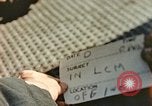
United States Marines in LCM as they head towards Iwo Jima, Japan during World War II.
Invasion of Iwo Jima, Japan by United States during World War II. LCM (Landing Craft Mechanized) loaded with Marines of the 5th Marine Division underway towards the beach of Iwo Jima, Japan. A Marine reads out from a list. Marines in a LCM as they head for the beach.
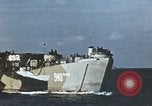
LSTs underway in Pacific Ocean as they head towards Iwo Jima, Japan during World War II.
United States Marines during the invasion of Iwo Jima, Japan in World War II. Bow section of (Landing Ship Tank) LST-940. LCT (Landing Craft Tank) on deck of LST. U.S. Navy TBF aircraft in flight. Men on the bridge of LST as they look out. A landing craft moves past in the foreground. Assault force at Iwo Jima and Mount Suribachi in the background. Explosions occur on the beach. Camouflaged LSTs in the foreground. Men on deck of LST. Smoke rises from a LST after it is hit. LCT on deck of a camouflaged LST. LSTs fire at the beach of Iwo Jima. Silhouette of a man on the flying bridge of LST. Four aircraft in flight. Mt. Suribachi and LSTs at anchor. Aircraft fly overhead. Marine on flying bridge of the LST. A coast guardsman wearing life jacket and steel helmet. Stern section of a transport ship. LCVPs (Landing Craft Vehicle Personnel) start to rendezvous out in water. Landing crafts get ready for assault.
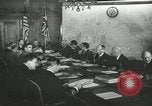
Landing craft, tanks, munitions, and gasoline supplies assembled in England for D-day invasion in World War II
Preparations in year 1943 for the June 1944 invasion of Western Europe by Allied Force during World War 2. Conference at Supreme Headquarters Allied Expeditionary Force in London. U.S. Generals George Marshall, Henry H. Arnold and British Field Marshal Bernard L. Montgomery meet at SHAEF (Supreme Headquarters Allied Expeditionary Force). Montage of war scenes: British Lancaster bombers taking off. British men and women monitors working in a British Command and Intelligence Center, tracking aircraft positions on maps. U.S. B-17 bombers in daylight missions over Germany. Allied pilots and crew members in aircraft. U.S. Army Air Force B-17 aircraft at high altitudes leaving contrails behind. Bombs bursting on German industrial targets. Allied agents being airdropped over France. Allied one-man submarines or solo submarines, torpedo boats and Commandos sampling French beaches and soil conditions in the Normandy region for ability to support 30-ton tanks for the invasion of France. British airman loading reconnaissance camera into a British Spitfire reconnaissance aircraft for photographing the planned invasion region. Woman operating microscope analyzing film. Aerial reconnaissance film images being laid out and attached together to create a large overhead viewing map. Arms and equipment being air dropped to indigenous resistance forces in Nazi-occupied Europe. Mulberry floating harbor segments being designed and built to create invasion ports. Allied landing craft training in Devon, England. Allied aircraft strafing a German ship. Meteorological equipment assessing weather along the invasion coast. Wire netting to pave the beaches. Underwater pipelines to carry gasoline or petrol to France. Allied armored vehicles bearing the White Star. Troops being inoculated or vaccinated. Newly built ship going down the ways at an Allied ship yard that builds Navy warships. View of British intelligence officers with headsets at radio equipment, and personnel monitoring German radio broadcasts. Soviet Embassy in Tehran, Iran, where the Big Three are seen meeting at Tehran Conference to finalize invasion plans. Stalin, Roosevelt, and Churchill sitting on the porch of the Embassy building, in 1943. General Eisenhower and Allied Military leaders planning the D-Day invasion. General Omar Bradley, sitting with a British admiral. General Bernard Law Montgomery Aerial view of formation of U.S. Army Air Force B-17 aircraft, flying through Flak bursts. Pilots in B-17 cockpit .Bombs striking German targets. Polish, Scenes including gun camera footage of Czech, and British in Spitfire aircraft striking German railroads and marshaling yards. B-26 bombers and gunner attacking German Luftwaffe Me-109 aircraft.
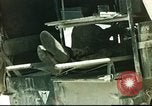
Wounded U.S. soldiers being treated at aid stations and evacuation centers on Islands in the Pacific during World War II.
U.S. soldiers land on an enemy island and being wounded in action during a Pacific campaign of World War II. Evacuation center of U.S. army shows an ambulance backing up and wounded soldiers being brought on litters. Landing craft on beach wait to transfer wounded soldiers on transport. Wounded soldiers lie on stretchers. LCMs (Landing Craft, Mechanized) loaded with wounded soldiers head for ships at anchor. Blood stains on faces of wounded soldiers. Wounded soldiers being treated aboard hospital ships. Red Cross drugs and medicines being unloaded from ships at a beach. Fresh water containers are unloaded. Battalion aid center set up half way towards the front. Wounded soldiers arrive on foot and stretchers. Identification Tag of wounded soldier. Faces of soldiers being hit in action.
U.S. forces prepare for attack against Japanese forces on Munda, readying supplies, troops, and aircraft.
Planning and moving of U.S. equipment, supplies, aircraft, and soldiers in preparation for attack at Munda Point on New Georgia Islands, Solomon Islands during World War 2. U.S. Marines and infantry massed up on Guadalcanal beach prepare for the invasion of Munda Point. Gasoline barrels are rolled on the beach. Crated food in cargo nets hoisted aboard ships. Equipment is loaded onto ships. U.S. combat aircraft assemble for an aerial offensive. U.S. Army General Douglas MacArthur exits car and talks with another U.S. officer. General MacArthur, U.S. 13th Air Force Lieutenant General Hubert R. Harmon, U.S. Army Air Force General Nathan Twining and U.S. Fleet Admiral William Halsey plan the attack on Munda Point. United States Army Air Force P-40 Warhawk fighters taxi and take off from an airfield. U.S. aircraft including P-40 Warhawk, P-39 Airacobra, U.S. Navy F4F Wildcat, TBF Avenger, B-25 Mitchell and B-24 Liberator aircraft in flight heading to destroy enemy positions on Munda. Japanese aircraft seen taking off and in flight.
General MacArthur, General Hubert R. Harmon, Nathan Twining and Fleet Admiral William Halsey plan an attack on Munda.
The U.S. Army plans an attack at Munda Point on New Georgia group of Islands, Solomon Islands during World War II. U.S. Marines and infantry massed up on Guadalcanal beach prepare for the invasion of Munda Point. Gasoline barrels rolled on the beach. Crated and canned foods in cargo nets hoisted aboard ships. Equipment is loaded onto ships. U.S. combat aircraft assemble for an aerial offensive. U.S. Army General Douglas MacArthur gets out of car and talks with another U.S. officer. General MacArthur, U.S. 13th Air Force Lieutenant General Hubert R. Harmon, U.S. Army Air Force General Nathan Twining and U.S. Fleet Admiral William Halsey coordinate the attack on Munda Point. U.S. Army Air Force P-40 Warhawk fighter aircraft taxi and take off from an airfield. U.S. planes including P-40 Warhawk, P-39 Airacobra, U.S. Navy F4F Wildcat, TBF Avenger, B-25 Mitchell, and B-24 Liberator aircraft in flight head to destroy Japanese enemy positions on Munda. Japanese aircraft take off and in flight.
CRITICALPAST.COM: About Us | Contact Us | FAQs - How to Order | License Agreement | My Account | My Lightboxes | Shopping Cart | Advanced Search | Featured Collections | Website Terms & Conditions | Privacy Policy ©2026 CriticalPast LLC.
License Agreement |
Terms & Conditions |
Privacy Policy
©2026 CriticalPast LLC.