


 Francais
 Deutsch
 Italiano
Refine Your Search
Nevada United States 1936 stock footage and images
- Showing 1465 to 1470 of 27246 results more
more Hide
Hide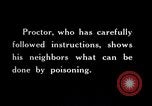
Dramatization: Proctor tells the effect of poisoning the farm and the increased yield in United States.
Dramatization: Calcium arsenates spray to combat Boll Weevils in United States. Proctor talks with his neighbors about the effect of poisoning the farm. Men and women poison the farm. Proctor stands nearby. He stands near a large pile of cotton with other men and states that the yield results from poisoning the farm. He says that poisoning increases the yield by 915 pounds seed cotton per acre.
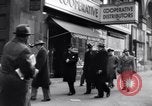
British and American working men on exchange visit meet with labor representatives in the United States (WW2)
Four British working men and their four American counterparts on an exchange visit to the United States enter a building in World War II. They are seen inside, seated at a table opposite representatives of American labor organizations including the American federation of Labor (AFL), the Congress of industrial Organizations (CIO) and the Railroad Brotherhood. During the meeting, one of the American workers states that they had just returned from England. One of the American labor representatives asks the English workers what they think about these exchange visits. They respond in support of them, and note they had an similar exchange with Russians as well. They also discuss international labor unity and its importance in winning the war. The British contingent note that they need more time to meet rank and file American workers to make any assessments. The subject of women filling jobs in war industry was viewed as affecting the lives of all women during the war and afterwards.
Rebuilt roads benefit the farmers and city people in United States.
The importance of roads and highways in the development of United States. The Bureau of Public Roads cooperated with the States to build the National Forest and Federal Aid Highway system. An early automobile driven on an early road. The car makes its way trough the slush and muck. An automobile driven on a rebuilt road. Farmers and city people benefit alike. Cars driven on a road amidst farms. A car crosses a bridge. Farmers separate seed on a seed separator as truck drives away hauling bags of seed. Trucks transport hay bales and sacks of grain from the farms to the city. Farmers load cartons onto a truck. Logs on a van. A truck transports wooden planks.

Arms race between United States and the Soviet Union; Arms Control and Test ban Treaty.
Teletype machines in Washington DC and in Moscow, used for rapid communication between the two countries during Cold War. Scene of buildings with golden dome in Moscow, Soviet Union. U.S. Navy officers view a document on a teletype hotline machine. Scene of fountain and White House behind it in Washington Dc. United States Secretary of State Dean Rusk, Russian Foreign Minister Andrei A Gromyko as they sign a Nuclear Test Ban Treaty. Soviet Premier Nikita Khrushchev toasts with others include British statesman Edward Heath.
General Dwight D Eisenhower and Adlai Stevenson campaigns for elections in United States.
General Dwight D Eisenhower sitting in car, waves during his campaign in United States. Eisenhower stands on a stage at a rally in front of the South Carolina State House. Mamie Eisenhower seen at the South Carolina rally. Views from train of Green Bay Wisconsin train station as Eisenhower campaign arrives. People carry signs that read "Welcome Ike - Citizens for Eisenhower and Nixon". Adlai Stevenson greets a crowd while campaigning. President Harry S Truman with his wife on the back of a railroad car during a "whistle stop" tour of North Dakota. Native American Indian people gather. A Native American Indian chief on the railroad car with President Truman and his wife, Bess Truman.
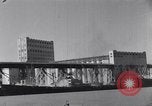
Workers sort grain aboard steamers at a United States port.
Stationary ships and steamers at a port in the United States. Workers climb aboard the steamer John H Quick. Grain poured out of a huge pipe into a big container. Worker fills grain into a bucket and pours it into a bag. Workers sort grain with the help of shovels. Another steamer off shore. Machinery and equipment on a ship. Worker stands near pulleys on a ship. Man writes a notice stating departure of a ship. U.S. naval officer greets dignitaries and family members before boarding ship.
CRITICALPAST.COM: About Us | Contact Us | FAQs - How to Order | License Agreement | My Account | My Lightboxes | Shopping Cart | Advanced Search | Featured Collections | Website Terms & Conditions | Privacy Policy ©2026 CriticalPast LLC.
License Agreement |
Terms & Conditions |
Privacy Policy
©2026 CriticalPast LLC.