


 Francais
 Deutsch
 Italiano
Refine Your Search
Ohio-State-football stock footage and images
- Showing 23029 to 23034 of 24494 results more
more Hide
Hide
A tornado hits southeast Michigan kills 12 persons and badly damages houses and destroys cars, Michigan.
A tornado hits southeast Michigan killing 12 persons and injuring 50 others. Destroyed houses and cars among the ruins of a town some 20 miles north of Detroit. Two men and a child walk among the ruins. Cars destroyed by falling trees. Destroyed houses and the few that escaped damage. Debris and scattered remains of houses.
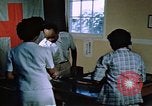
Japanese Americans performing various activities at Heart Mountain War Relocation Center, Wyoming, during World War II.
Japanese Americans at Heart Mountain War Relocation Center (internment camp), Wyoming, during World War II. A Japanese American doctor shakes hands with and talks to the patients at a clinic. A trial at the center. Japanese Americans stand in line for voting in the elections of the councilmen. A man walks out of a curtained area and places his paper ballot, in a ballot box. A young woman voter then steps behind the curtain to fill out her paper ballot. A Caucasian teacher plays piano for Japanese American students. Small children in a library study books.
Nisei, the Japanese Americans develop rubber extraction from guayule plant at Manzanar Relocation Center in California.
Nisei, the Japanese Americans of second generation, at relocation centers (internment) during World War II. A Japanese-American grows guayule plant generally grown in Mexico and Texas, experimentally at Manzanar Relocation Center in California. Japanese-American scientist at a laboratory in the relocation center invents methods to extract more rubber from guayule plant. Dried and ground plant at the laboratory. He makes production equipment from old automobile parts. A man paints old parts and modifies them for use. Rubber extracted from guayule plant rises to the surface as the container gets filled with the chemical. The scientist stretches the rubbers so made to check its quality.

'Go for Broke' depicts Japanese-American recruits of the 442nd Regimental Combat Team, under training at Camp Shelby.
'Go for Broke' shows the Japanese-American recruits of the 442nd Regimental Combat Team under training at Camp Shelby in Mississippi. Recruits carry rifles while marching. The recruits do jumping jacks and calisthenic exercises under direction from a trainer. A Japanese-American guard stands in front of the sign, 'Headquarters Company 442nd Infantry Combat Team.' Recruits learn to use rifle with fixed bayonets. They practice throwing hand grenades and protect themselves wearing gas masks. Soldiers practice loading and firing a 37mm artillery gun. (World War II period).
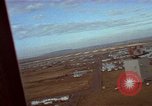
Commander, staff, and missile combat officers of the 341st Strategic Missile Wing begin their day with briefings during Cold War
View from Helicopter cleared to land at Malmstrom Air Force Base in Montana. Boys running across a field of tall grass past radar antenna at the base. A boy on a bicycle rides past a Strategic Air Command sign at the base reading "Peace is our Profession." Interior of a command center. An Air Force Senior Master Sergeant working with airmen to maintain status of the 341st Strategic Missile Wing's Minuteman missiles and coordinating their servicing and maintenance. Staff in the unit's command center is called to attention as their Commander, Colonel Rex Dowtin, enters. Colonel Dowtin and his staff officers take seats and listen to their morning briefing, beginning with a report from their weather officer about local conditions. This is followed by reports from other officers, including an African American officer, about the status of matters in their respective areas of responsibility. Meanwhile at another location, white-clad missile combat officer crews (Captains and Lieutenants) are being briefed by a Lieutenant Colonel who tells them the defense condition (DEFCON) is "4" and issues instructions for the day as they prepare to manage various missile silos and installations.
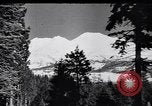
Construction of the Shasta Dam on the Sacramento River to prevent floods in California
Sacramento River and snow covered Mount Shasta in California are seen. Building material for the Central Valley Project Shasta Dam being transported with the help of the world's largest conveyor built; a Good Year rubber belt for hauling materials for constructing the dam. Railroad of rubber stretching from Redding California to the dam site, being used to transport building materials at Shasta Dam construction site.
CRITICALPAST.COM: About Us | Contact Us | FAQs - How to Order | License Agreement | My Account | My Lightboxes | Shopping Cart | Advanced Search | Featured Collections | Website Terms & Conditions | Privacy Policy ©2026 CriticalPast LLC.
License Agreement |
Terms & Conditions |
Privacy Policy
©2026 CriticalPast LLC.