


 Francais
 Deutsch
 Italiano
Refine Your Search
Okinawa Ryukyu Islands 1972 stock footage and images
- Showing 3217 to 3222 of 4623 results more
more Hide
Hide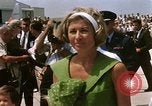
Mrs Carpenter and children greet Astronaut Scott Carpenter as he steps from C-121G aircraft at Patrick Air Force Base, Florida
Mrs Florence Carpenter and children greet Lieutenant Commander Scott Carpenter, as he steps from a MATS C-121 aircraft, at Patrick Air Force Base, Cape Canaveral, Florida. He has just returned from Grand Turk Island, following his successful Mercury-Atlas 7 orbital mission in space. His children greet and talk to Scott Carpenter. Photographer takes pictures. Astronaut Carpenter speaks with a lady and says a few words into a microphone.
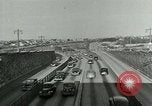
Advertisement for Lincoln-Mercury car featuring rear hinged doors (sometimes called suicide doors).
View of Southern State Parkway on Long Island in New York. Advertisement for Lincoln Mercury automobile. Lincoln-Mercury car displayed in showroom. Model demonstrates opening of a rear hinged door (sometimes referred to as a "suicide door".)
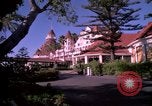
Hotel Del Coronado in San Diego, California.
Views of Hotel Del Coronado on Coronado Island, in San Diego, California.
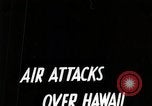
Japanese propaganda film shows air attacks by Japanese forces on American targets at Pearl Harbor, Hawaii on December 7, 1941.
Japanese propaganda film during World War II, aimed at American audiences. Japanese narrator speaking in accented English. Air attacks over Hawaii: Name of Countries shown over map. Map shows Hawaii as a target. Japanese fleet at sea on the way to Hawaii. Japanese ship commanding officers confer. Japanese pilots ready on flight decks receiving final instructions and then boarding Japanese aircraft including Aichi D3A "Val" dive bombers and Nakajima B5N "Kate" torpedo bombers. Bombers take off from flight decks. Japanese planes in flight over host Japanese carriers, on the way to bomb American targets. Bombers attacking Luke Field and targets on Ford Island in Pearl Harbor, Hawaii. Views of Pearl Harbor attacks from the air, in cameras mounted on Japanese aircraft. On screen text: "US pacific fleet annihilated". Pearl Harbor is bombed. Explosions over targets. Smoke rises from targets. Narrator tallies American losses of battleship, airplanes, hangars, and human casualties. Japanese ships at sea. Narrator boasts that the retreat of America and Britain from East Asia is imminent.
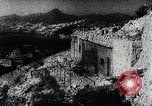
Japanese troops occupy Hong Kong after British forces surrender on Christmas day 1941 (WWII)
The Japanese occupation of Hong Kong following British surrender on Christmas day, 1941 (World War II). Japanese propaganda newsreel, narrated in accented English: Japan occupies the entirety of Hong Kong and British surrender on December 25, 1941. Destroyed British island defenses including bunkers and pill boxes. Wrecked buildings and oil storage tanks in Hong Kong. Japanese troops pose as a group and shout “Banzai” for the camera. Destroyed British tanks and artillery. British military prisoners gathered in a courtyard. Japanese officer inspects captured artillery. Japanese troops pile up shells from surrendered British forces. Captured British soldiers and sailors crowd British officers exit the "New Oriental Building" (Formerly 2 Connaught Road, Central, Hong Kong) after surrender discussions with Japanese forces. White flag hoisted on top of the New Oriental Building. Aerial view of Hong Kong area. Japanese aircraft in formation over the city making their formal occupation entry. Japanese troops parade through the streets with commanding officers on horseback.
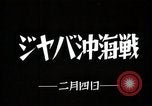
Japanese bombers attack Allied warships during Battle of Java Sea
Animated map shows area from Java Island past Asian mainland to Japan. It shows path of Japanese long range bomber aircraft from Japan to Borneo. Loose formation of bombers is seen in flight above clouds. View inside cockpit of Japanese bomber shows a child's stuffed doll hung near the windshield. Extreme closeup of crew members in cockpit of Mitsubishi Ki-21 bomber in flight. More views of aircraft in formation flying above clouds. View from a bomber of Allied warships executing evasive maneuvers in the sea below. Formation of Japanese bombers in flight toward the camera. Airborne camera focuses on one ship below during evasive maneuver. Japanese crew members in their cockpit. View from the aircraft of bombs exploding in water near Allied ship trying to evade them. One appears to have struck the ship.
CRITICALPAST.COM: About Us | Contact Us | FAQs - How to Order | License Agreement | My Account | My Lightboxes | Shopping Cart | Advanced Search | Featured Collections | Website Terms & Conditions | Privacy Policy ©2026 CriticalPast LLC.
License Agreement |
Terms & Conditions |
Privacy Policy
©2026 CriticalPast LLC.