


 Francais
 Deutsch
 Italiano
Refine Your Search
Pleiku South Vietnam 1966 stock footage and images
- Showing 1693 to 1698 of 5965 results more
more Hide
Hide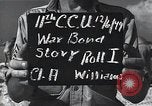
Cemetery of United States Marine Corps at the U.S. Military base in Saipan in Mariana Islands, during World War II.
United States Army Air Force at their base in Saipan in Mariana Island, South Pacific during World War II. GI s of the United States military, filling sand bags from a beach and loading them in truck. A cemetery of United States Marine Corps(USMC). U.S. National Flag on a pole at the center of the cemetery. A Cross in the cemetery marked, 'USMC Unknown'.
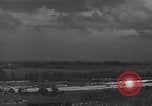
P-47 planes and Power Shovel at work in Isley Field base of U.S. Military in Saipan in Mariana Islands, during World War II.
United States Army Air Force at the Isley Field base in Saipan in Mariana Island, South Pacific during World War II. P-47 airplanes lined along a landing strip. A P-47 makes landing on the strip, other planes fly in a formation above this plane. A Power Shovel digs a hill near the base. Coral from the hill loaded in a truck by Shovel.
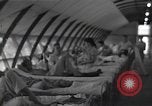
Wounded U.S. Army soldiers recovering in hospital quonset huts at Isley Field base in Saipan, Mariana Islands, World War II.
United States Army Air Force at the Isley Field base in Saipan in Mariana Island, South Pacific during World War II. Station Hospital at the base. GIs in beds in the Quonset hut. A Power Shovel digs a hill near the base. Coral from the hill loaded in a truck by a Shovel. Trucks transport the loaded coral through a rough mountainous terrain. Crops in farmlands near the base.
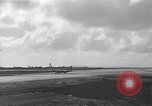
B-29 bombers and trucks at Isley Field base of U.S. Army Air Force in Saipan in Mariana Islands, during World War II.
United States Army Air Force at the Isley Field base in Saipan in Mariana Island, South Pacific during World War II. B-29 bombers landing on a runway strip of the base. Coral from the hill loaded in a truck by the Shovel. Trucks transport the coral loaded by a Power Shovel. Trucks move on gravel path near the sea shore. Clouds in the sky.
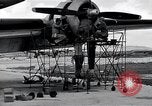
Enemy bombers raid the Isley Field base of U.S. Army Air Force in Saipan in Mariana Islands, during World War II.
United States Army Air Force at the Isley Field base in Saipan in Mariana Island, South Pacific during World War II. Mechanics stand on scaffold to reach the engines of a B-29 bomber. Air raid siren sounds. Mechanics jump on ground and run towards shelter beneath a bunker covered with mud sacks. Soldiers at the anti-aircraft gun post, fire with a 50 caliber anti aircraft gun, following course of enemy plane. Gunners turn the gun following the aerial path of the enemy bomber. GIs lined in a chow line outside a mess hall.
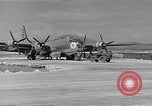
Crewmen clean a painted B-29 bomber at the Isley Field base of U.S. Air Force in Saipan in Mariana Islands, during World War II.
United States Army Air Force at the Isley Field base in Saipan in Mariana Island, South Pacific during World War II. A B-29 bomber parked at hardstands near the runway. Painted name, 'Devil's Delight' on the nose of the plane. Wheel plate of this plane reads 'A Member of the B-29 Formation to First Bomb Tokyo'. Front side has written 'Shoot You're Faded' on the nose turret. Devil's head insignia painted on its nose. Crewmen stand on bench, working to clean the B-29.
CRITICALPAST.COM: About Us | Contact Us | FAQs - How to Order | License Agreement | My Account | My Lightboxes | Shopping Cart | Advanced Search | Featured Collections | Website Terms & Conditions | Privacy Policy ©2026 CriticalPast LLC.
License Agreement |
Terms & Conditions |
Privacy Policy
©2026 CriticalPast LLC.