


 Francais
 Deutsch
 Italiano
Refine Your Search
Prison physical examination. stock footage and images
- Showing 1915 to 1920 of 3715 results more
more Hide
Hide
Relief and rebuilding works by the occupation forces of United States in Germany and Japan after World War II.
U.S. War Department information film "Overseas Mission" describes relief and rebuilding works in Germany and Japan by United States Army, after World War II. Battle between the Allied forces and the Nazi armies, soldiers and artillery fire during battle in German cities and towns. General Eisenhower signs accepting surrender of Germany. General MacArthur signs accepting surrender of Japan to mark the end of World War II. Soldiers carry casualties on litters. Treaty of Versailles after World War I. Newspaper lines read Nazi rearmament of Germany. Allied tanks and troops march in Germany. Marching Allied forces in Japan. Destroyed buildings and factories in cities of Japan and Germany. Nuremberg trials and arrests of Nazi generals. Allied forces dismantle German factories and industrial plants capable of making war materiel. A U.S. Army officer pushes handle to detonate explosives destroying a German factory. Nazi flags, German ammunitions and German factories are destroyed. Nazi troops and civilians saluting Hitler. Allied army engineers make roads and bridges, medics checking patients to prevent epidemics. Borders guarded, Nazi Germans tried. Prisoners of Nazi and Japanese released, dispensary checkup their health. Japanese prisoners released, board a bus. Declaration of Independence on July 4, 1776. Re-establishment of press, churches, courts and schools. Japanese children at school. Election in the occupied countries to run democratic government. Map showing opposite positions of occupied countries. Rations for occupation forces and civilians transported in trucks. Officers hiring labor to carry out relief works.
Russian Red Army defeats the German Armies; views of surrendered Nazi Generals and soldiers and seized weapons, in World War II
Battles fought by Russians fighting military invasion from Germany during World War II. Captured Field Marshal Friedrich Paulus who led the German Army in Stalingrad is seen under Soviet guard. View of Paulus meeting with his Russian captors after he surrendered. Long column of surrendered German troops marching in snow under Soviet guard. The German prisoners march up hills and into the city of Stalingrad in snow and cold winter conditions. German soldiers with frostbite and exposure are shown. A German soldier with no shoes and blanket draped feet is shown limping forward. Animated map shows freed Russian area on map and retreat of German forces by the spring of 1943. Seized and idle German planes, weapons, piles of rifles, piles of machine guns, artillery pieces, and shells are shown in the snow and under Russian guard. Aerial view of German convoy on road following bombing campaign. Burned vehicles and devastation of the German retreating line. More views of marching German prisoners, and some dead German soliders lying in an area among some graves. Montage of scenes of allied nations armies fighting during World War 2.
A British Royal Artillery officer, in charge of Belsen concentration camp at Lower Saxony, Germany speaks after liberation.
An officer of the British Royal Artillery, in charge of the Bergen-Belsen concentration camp operated by Nazi Germany at Lower Saxony, Germany. The officer speaks after liberation about the conditions at the camp when Allied forces reached there. Seventeen thousand prisoners buried by them. The prisoners had no food for six days and they ate turnips. The officer informs about the cook house since organized at the camp. Clip is part of Nuremberg Trials prosecution exhibit 230. (World War II period).
Camp guards arrested and piles of tortured dead bodies moved for burial at Bergen Belsen concentration camp in Germany
The Bergen-Belsen concentration camp operated by Nazi Germany in Lower Saxony, Germany after liberation by British Army during World War II. Narrator identifies Nazi officer by the name Kramer, as the camp commander, who is taken into custody by British troops. Guards of camp arrested by British Army. Prisoners inside the camp starved and sick, including some in a bunk house. Liberated woman weeps and kisses hand of a British soldier. Dead bodies of atrocity victims lie on grounds. Dead bodies of young women. Tortured and severely beaten dead bodies. Prisoner numbers tattooed on the arms of dead bodies. SS guards ordered to toss corpses in trucks. Immense number of dead bodies kept on open ground. SS guards toss dead bodies in a large open mass grave. German women guards at the camp walk out of a barracks, ordered to bury the dead. They drag dead bodies and throw them in a mass grave. A bulldozer sweeps piles of dead bodies in mass grave. Its operator covers his face. Pile of dead bodies swept into a mass grave. A U.S. Navy signed affidavit of authenticity of the footage concludes the clip. Clip is part of Nuremberg Trials prosecution exhibit 230
British troops are reminded to give only name, rank, and serial number to Germans if captured.
A film titled 'Interrogation of prisoners-rank, number' shows an American officer explaining the do's and don't s for prisoners of war during World War 2. An dramatized enactment shows British soldiers gambling, sharing photos of their 'girls' and then being instructed by officers about giving away only their name, rank and number in case of being captured by the enemy. Later, these British soldiers are shown being interrogated by a German officer after capture. Some ill trained troops give away valuable information to the enemy officer.
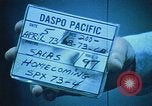
Dramatization: A North Vietnamese interrogation of a captive
A dramatized enactment showing a North Vietnamese interrogator sitting at a desk as he lights up a cigarette. He interrogates a Prisoner of War standing before him. (Camera slate indicates 'Operation Homecoming,'). A guard hits the prisoner several times with a club in the stomach and throws him on the floor during interrogation, for not cooperating with the Interrogating Officer.
CRITICALPAST.COM: About Us | Contact Us | FAQs - How to Order | License Agreement | My Account | My Lightboxes | Shopping Cart | Advanced Search | Featured Collections | Website Terms & Conditions | Privacy Policy ©2026 CriticalPast LLC.
License Agreement |
Terms & Conditions |
Privacy Policy
©2026 CriticalPast LLC.