


 Francais
 Deutsch
 Italiano
Refine Your Search
Soc Trang Vietnam 1963 stock footage and images
- Showing 2239 to 2244 of 4649 results more
more Hide
Hide
United States Army soldiers knock down cement walls of building damaged by shell fire in Vietnam.
United States Army soldiers of 196th Light Infantry Brigade, B Company, burn huts in a village vacated by NVA 2nd Regiment soldiers. U.S. Army soldiers set fire to huts and smoke and flames consume the huts. Soldiers stand inside a building heavily damaged by shell fire, and they knock down a concrete wall of the building to expose the inside. (Vietnam War period).
U.S. Army soldiers in Vietnam on search mission take a break, rest, eat chow, and clean rifles
U.S. Army soldiers in Vietnam War from 2nd Platoon, C Company, 4th Battalion, 31st Infantry, 196th Light Infantry Brigade. General activity as they get ready to bivouac. Soldiers sit and rest. Some smoke cigarettes. A soldier holds a 16mm movie camera. Soldiers build a fire and eat chow from C-ration cans. A newly dug foxhole is shown. Two soldiers seen cleaning M-16 rifles and talking to fellow soldiers.
C-123K aircraft in flight for Operation Ranch Hand and emit defoliant in wooded area during Vietnam War.
C-123K aircraft fly for Operation Ranch Hand in Vietnam. C-123Ks in flight. They emit Agent Orange spray defoliant over the mountain area of southwest. C-123Ks fly over sea and mountains. Pilot's hand on C-123K controls. C-123Ks in flight and emit defoliant over dense vegetation area.
U.S. UC-123B aircraft, in Operation Tired Bill, spray agent orange defoliant in Vietnam
UC-123B aircraft spread defoliant agent orange in Vietnam. Ranch Hand UC-123Bs of the 12th Air Commando Squadron, flying side by side, make a single pass over a ten mile strip of land that lies between Con Thien and Gia Linh. Shows aircraft in flight to target area, descending, and spraying defoliant agent. They generate a continuous unbroken cloud of agent orange over the area.. The aircraft return to base as evening begins, flying in loose trail formation.
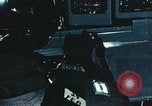
The Sensor Operator coordinates with pilot who triggers off a shot directly at enemy target from AC-130 aircraft over Vietnam.
The interior of AC-130 aircraft shows Sensor Operator tracking the target while the consent light is on. The pilot triggers off a shot directly on the target. Explosion from enemy truck after being hit. United States Air Force personnel talks about the Pave Pronto aircraft configuration system. (Vietnam War period).
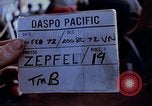
Sammy Davis Jr. with USO troupe entertains U.S. Army troops at Can Tho Army Airfield during the Vietnam War
Sammy Davis Jr. entertaining troops in visit to Vietnam with a USO troupe. View of soldiers assembled inside a hangar at Can Tho Army Airfield, watching as Sammy Davis Jr. speaks from a stage set up in the hangar. Members of the audience smile and chuckle at his remarks. The audience applauding. Closeups of some in the audience, laughing and applauding. Davis interacting with the audience. Closeup of several Military Policemen standing backstage. View from side of tremendously large audience. View of Davis performing as solo stand up comedian. Soldiers watching from outside the hangar applauding. Another view of Davis onstage, and of the huge audience.
CRITICALPAST.COM: About Us | Contact Us | FAQs - How to Order | License Agreement | My Account | My Lightboxes | Shopping Cart | Advanced Search | Featured Collections | Website Terms & Conditions | Privacy Policy ©2026 CriticalPast LLC.
License Agreement |
Terms & Conditions |
Privacy Policy
©2026 CriticalPast LLC.