


 Francais
 Deutsch
 Italiano
Refine Your Search
Tontouta New Caledonia 1943 stock footage and images
- Showing 9871 to 9876 of 10521 results more
more Hide
Hide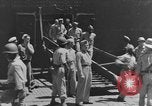
United States soldiers watch pushcarts,ride carriages and purchase from street vendors in India during World War II.
United States Troops in India during World War II. Soldiers and nurses leave ship docked at a harbor. They run along a pier. Busy street scenes: jeeps loaded with soldiers move through the streets. Civilians ride bullock carts and bicycle carts. Soldiers get down from jeeps and walk through streets. They watch pushcarts and ride carriages. They purchase from street vendors. They look at knife and interact with the shopkeeper.
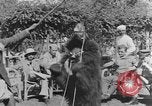
United States soldiers watch a show where bears,monkeys,pigeons and cobras perform in India during World War II.
United States Troops in India during World War II. United States troops seated in a garden. They watch a show for entertainment where a man works with live bears. Bear performs various acts. Then a monkey dances. Pigeons haul a toy jeep and balance on a cycle. Snake charmer with cobra snake that dances to the tune of pungi. The gathering of soldiers and officers applaud as the show ends.
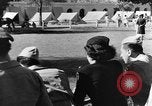
United States soldiers purchase tickets and watch a horse race in India during World War 2
United States Troops in India during World War II. Soldiers and nurses watch as jockeys take horses past them. Tents in the foreground. Civilians and soldiers purchase tickets at the ticket counter. Soldiers watch jockeys ride horses during a race on a track
An electrical specialist checks wires,harness connections,battery during the inspection of B-24 aircraft in the United States.
The 50-hours inspection of the ignition and electrical system of USAAF B-24 Liberator heavy bomber aircraft at an airfield in the United States. Men exercise on the field. An animated diagram of human skeleton and United States Army Air Forces B-24 Liberator heavy bomber aircraft. The B-24 heavy bomber aircraft takes off. The aircraft in flight over grasslands. The B-24 parked at the airfield. The crew members start the 50-hours inspection of ignition and electrical system of the aircraft. An electrical specialist tightens the elbow terminals and nuts of the hammering engines. The specialist checks the chamber and slides wires and makes sure they are not worn. He checks the cable for security of mounting. After inspecting all the wires and harness, the specialist checks other attachments. He examines the switch lead and removes cover from booster coil. The signals for operation test on cover plate switch board flow smoothly, so the specialist gives an 'OK' signal. During the electrical inspection: the specialist notes the operation of the battery disconnect relay. A man in the cockpit operates the battery switches. The specialist signals in the cockpit and replaces canvas covering. He checks battery insulation for proper security of connections. The specialist makes the hydrometer test with electrolytes and removes the sump and cleans it with soda water bath and neutralize acids. He checks the proper connection of accessible electrical leads and also checks the landing lights and examines the inter cooler shutters in the cockpit. The specilaist checks the generator for security of mounting and makes sure that the brushes are in good condition. He tests the oiling and cooling blast connection.
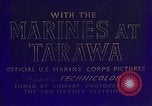
U.S. Marines launch the Battle of Tarawa, in the Pacific, during World War II.
U.S. marines engage Japanese during the Battle of Tarawa in World War II. Members of United States 2nd Marine Division walk up gangplanks, in full battle gear, and board ships. Convoy of ships underway in the Pacific Ocean, with weapons on deck visible. Fighter escort aircraft from U.S. aircraft carriers fly in formation over the convoy. A U.S. destroyer pulls alongside to deliver sealed orders on a line stretched between the two vessels. Officer briefs the Marines with a relief map on deck of ship. Marines load ammunition in belts for machine guns. They check and fire weapons. They exercise to relieve tension. Navy and coast guard assault boat coxwains receive last minute instructions from an officer. Chaplain conducts religious services for the Marines before the invasion day. Boats loaded with marines proceed toward the shore. Explosions occur. Aircraft in flight as they strafe and drop bombs on Japanese shore installations. American assault boats approach the beach. Heavy Japanese firing destroys several U.S. assault boats. Marines find some shelter behind a pier extending into the water. Marines are held down by heavy Japanese fire. They suffer heavy casualties and administer aid to wounded.
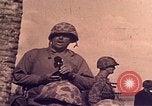
U.S. Marines fight against fanatical Japanese defenders in the Battle of Tarawa during World War II.
U.S. Marine Corps struggle during Battle of Tarawa, in the Pacific, during World War II. Marines of the United States 2nd Marine Division Corps move carefully and stay low as they advance on the island and fire at Japanese well-entrenched in bunkers and hiding in trees.Marines employ grenades, flame throwers and mortars against the Japanese and occupy some Japanese bunkers. Marine casualties being carried on stretchers. Several Japanese soldiers break out of their fortification and run for safety as marines fire at them. Marines check for snipers and throw grenades, as they advance very cautiously toward abandoned Japanese positions on the Tarawa beach.
CRITICALPAST.COM: About Us | Contact Us | FAQs - How to Order | License Agreement | My Account | My Lightboxes | Shopping Cart | Advanced Search | Featured Collections | Website Terms & Conditions | Privacy Policy ©2026 CriticalPast LLC.
License Agreement |
Terms & Conditions |
Privacy Policy
©2026 CriticalPast LLC.