


 Francais
 Deutsch
 Italiano
Refine Your Search
US-Gliders- stock footage and images
- Showing 6625 to 6630 of 21999 results more
more Hide
Hide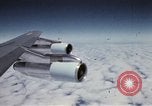
A VC-137 Stratoliner residential airplane of the President of the United States, the U.S. Air Force One in United States.
U.S. Air Force One, the plane of the President of the United States, flies in the sky in the United States. The VC-137 Stratoliner flies over the clouds. Two engines of the plane on its left wing. The left wing and the engine seen from a window of the plane. The right wing and the two engines.
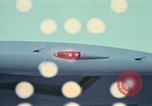
A pilot and ground crew operate a VC-137 Stratoliner U.S. Air Force One and it takes off from an airport in the United States.
The plane of the President of the United States, the U.S. Air Force One, flies in the sky in the United States. The VC-137 Stratoliner residential airplane at an airport. Blinking signal lamps on the wings of the plane. A pilot inside its cockpit operates control. A ground control staff speaks into a microphone. The plane taxis on the runway and takes off at dusk.
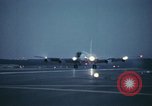
A VC-137 Stratoliner residential airplane of the U.S. Air Force One takes off from an airport at dusk in the United States.
The plane of the President of the United States, the U.S. Air Force One, flies in the sky in the United States. The VC-137 Stratoliner residential airplane taxis on the runway and takes off. The plane becomes airborne and takes a left turn in the sky. Blinking signal lamps on a plane at the runway.

A VC-137 Stratoliner airplane of the U.S. Air Force One with its signal lamps blinking takes off at dusk in the United States.
The plane of the President of the United States, the U.S. Air Force One, flies in the sky in the United States. The VC-137 Stratoliner residential airplane (SAM 26000, “Spirit of ‘76”) taxis on the runway and takes off at dusk. Signal lamps on the runway during evening hours to help airplanes while landing.
A VC-137 Stratoliner of the U.S. Air Force One plane takes off at night in the United States.
The plane of the President of the United States, the U.S. Air Force One, flies in the sky in the United States. The VC-137 Stratoliner residential airplane taxis on the runway and takes off during night. Signal lamps on the runway and on the airplane blink during the night hours to help the air planes while landing. A ground crewman waves signal lamps for safe taxiing of the airplane on the runway in the night hours.
A VC-137 Stratoliner airplane of the U.S. Air Force One takes off from a runway and becomes airborne in the United States.
The plane of the the President of the United States, the U.S. Air Force One, flies in the sky in the United States. The VC-137 Stratoliner residential airplane taxis on a runway and takes off at dusk. Signal lamps all along the runway help the air planes to land safely during the evening hours. The planes becomes airborne and then turns to it left in the sky. The plane flies low in the sky.
CRITICALPAST.COM: About Us | Contact Us | FAQs - How to Order | License Agreement | My Account | My Lightboxes | Shopping Cart | Advanced Search | Featured Collections | Website Terms & Conditions | Privacy Policy ©2026 CriticalPast LLC.
License Agreement |
Terms & Conditions |
Privacy Policy
©2026 CriticalPast LLC.