


 Francais
 Deutsch
 Italiano

Refine Your Search
United States 1982 stock footage and images
- Showing 2281 to 2286 of 34981 results more
 Hide
Color Sound
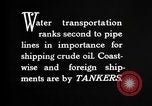
Oil tankers, oil barges and tank cars are used for transportation of oil in the United States.
Transportation of oil to refineries in the United States. An oil tanker in a harbor. Oil barges for transportation across rivers and canals. Tanks cars for carrying crude oil. Oil tanks at a tank farm (oil depot) in the United States.
Fallout shelters are set up and supermarket shelves are stripped by people in the U.S. during the Cuban Missile Crisis of 1962.
Events in the United States during the Cuban Missile Crisis of October 16, 1962 when the United States and the Soviet Union confronted each other with nuclear destruction over Soviet missile positions in Cuba. A sign reads 'Fallout Shelter'. Supermarket food store shelves stripped by people eager to stock rations in case of nuclear war. Queues and lines at grocery checkouts as shoppers stock up.
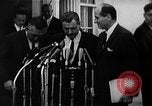
Governor Rockefeller addresses people in the U.S. and says that they should follow instructions in civil defense bulletin.
Events held in the United States during the Cuban Missile Crisis of October 1962 when the United States and the Soviet Union confronted each other with nuclear destruction. Governor of New York Nelson Rockefeller speaks into a microphone. Governor of Washington Albert Rosellini stands near Rockerfeller. Rockerfeller says that people should follow all instructions in civil defense bulletin available at civil defense offices throughout the nation.

Lorries and trucks carry supplies to fallout shelters in the United States during the Cuban Missile Crisis of 1962.
Events held in the United States during the Cuban Missile Crisis of October 1962 when the United States and the Soviet Union confronted each other with nuclear destruction. Lorries and trucks on a road carrying supplies to community fallout shelters. A sign on a truck reads 'City in action through Civil Defense'.

Scenes illustrating consumer prices and worker earnings, as tracked by Census Bureau in United States in early 1970s
U.S. Public Health Service Outpatient Clinic. An ambulance entering a yard. Businesses advertising their prices with price posters in shop and store windows, including: A radio and television store; A drycleaner and laundry; Furniture store; Carpet store; mattress store, grocer; butcher; and dairy. Workers carrying their earnings statements. Exterior view of woman outside post office after she collects retirement income check from U.S. Post office, at Brooklandville, Maryland, 21022. A telephone booth in front of the Post office.
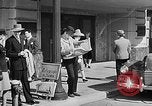
A soldier is arrested by MPs for being AWOL in the United States.
A training film on functions of military policemen (MP) in a town patrolling in the United States, during World War 2. Soldiers who are 'Absent Without Official Leave' (AWOL) are searched by the MPs. A soldier in civilian clothes reads a newspaper near a pole. The MPs watch him. They suspect the man to be a soldier and inform the nearest civilian policeman. They talk to the man. If there is evidence that he is a soldier, he could be arrested. The man runs away. The MPs catch him. They arrest him and deliver in custody. They also search him for weapons. They fill information on the arrest card. The man's name, serial number, organization to which he belongs and any evidence found against him is noted on the card. The MPs can use police radio to contact the MP headquarters. An officer seated at a desk. A man from the headquarters arrives to take the prisoner with him. The prisoner and the policeman board MP van. They arrive at the headquarters. Processing of the prisoner. The processing includes completing the records. He is listed on criminal record. A man writes information about him. Further searches are made with care. A desk sergeant seated at a desk. The MPs stand in line. An officer instructs them. The MPs patrol a street. An MP talks over a phone. The duty of the MPs is to keep fellow members of the armed forces safe. Reenacted scene of a fight or brawl taking place in a bar (for which MPs would be needed to restore peace). View of a training ground and a large group of U.S. Army soldiers marching and passing in review with American flags and unit flags held high.
CRITICALPAST.COM: About Us | Contact Us | FAQs - How to Order | License Agreement | My Account | My Lightboxes | Shopping Cart | Advanced Search | Featured Collections | Website Terms & Conditions | Privacy Policy ©2026 CriticalPast LLC.
License Agreement |
Terms & Conditions |
Privacy Policy
©2026 CriticalPast LLC.