


 Francais
 Deutsch
 Italiano
Refine Your Search
V2 stock footage and images
- Showing 6859 to 6864 of 9941 results more
more Hide
Hide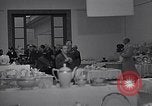
General Eisenhower inspects porcelain exhibit and motor bike at Export Show exhibit in Munich Germany
General Eisenhower inspects porcelain exhibits at an export show in Munich, Germany, not long after the end of World War 2. Several porcelain tea sets and vases seen arranged on tables covered with a table cloth. General Eisenhower inspects a motor bike at exhibition. He answers questions of news men. General Eisenhower and General Joseph T. McNarney leave in open cars. Sign reading 'Export Schau' in German and 'Export Exhibition' in English.
General Eisenhower inspects glassware at trade exhibit in Munich Germany
General Eisenhower at an Export Show trade exhibition in Munich, Germany. Housewares including toy trains, leather shoes, bags, earthenware and glassware on display. General Eisenhower along with other visitors at the porcelain exhibit. People laughing, talking and observing objects. Glass wares and other household objects seen arranged on tables at the Export Show, held soon after the end of World War 2 in an effort to help spark German commerce.
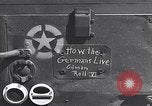
German people looking through garbage dumps for food in Bamberg
Smoke seen rising as garbage dumps are smoldered in Bamberg in Germany. Number of civilians seen standing near the garbage dump. People look through the garbage for food and materials during severe shortages following World War 2. Garbage being thrown from trucks. People hunt for fragments of food in the dump.
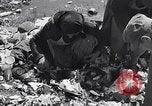
German people looking through garbage dump for food after end of World War II.
Food shortage and desperate conditions among needy and impoverished German civilian people after World War 2. View of garbage dumps in Bamberg in Germany. An old woman seen smiling. Several numbers of children look in the garbage dump for food. A woman eats from a rusty can found in the dump.
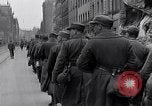
U.S. Army soldiers march German prisoners of war through the streets of captured Munich Germany, in World War II
Large numbers of surrendered German soldiers march in loose formation along a street in Munich, Germany, a week before the end of World War 2, in Europe. Point of view (POV) shot from camera moving beside and slightly faster than the column of surrendered and captured German soldiers. A group of American soldiers riding on a Sherman tank, pass the camera. Several M-36 Jackson tank destroyers pass, also loaded with U.S. soldiers. Two German women are seated, quietly, on a parked M1 57mm gun from an Anti-Tank Company of the 222nd Infantry Regiment (42nd Rainbow Division). Saddened German civilian spectators watch the goings on from an island in the center of the street. Pedestrians, cyclists, and people moving goods on hand carts, cross on an intersecting street. The columns of surrendered German soldiers line the other street, away from the intersection. Some of the German women watching wipe tears from their eyes.
Needy German people carry buckets, boxes, sacks of coal gathered from coal yards, needed for fuel
German civilian crowd seen on the streets in Munich in Germany near end of World War 2, with poverty and scarcity common. Men and women carrying sacks of fuel coal on shoulders. People carrying boxes and buckets filled with coal gathered from coal yards. Several people load coal on hand carts. People gather near the entrance of a warehouse or tunnel. They crowd and push each other as they try to get boxes of supplies from inside the storage area. Two German women use bricks or stones to try to break open a wooden supply container (unsuccessfully). Other German citizens carry away similarly sized boxes of unknown supplies.
CRITICALPAST.COM: About Us | Contact Us | FAQs - How to Order | License Agreement | My Account | My Lightboxes | Shopping Cart | Advanced Search | Featured Collections | Website Terms & Conditions | Privacy Policy ©2026 CriticalPast LLC.
License Agreement |
Terms & Conditions |
Privacy Policy
©2026 CriticalPast LLC.