


 Francais
 Deutsch
 Italiano
Refine Your Search
V2 stock footage and images
- Showing 9619 to 9624 of 9857 results more
more Hide
Hide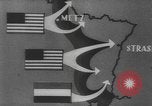
German prisoners are marched towards a stockade under the guard of U.S. soldiers in Metz France, near German border
U.S. Third Army soldiers advance in France nearing border with Germany during World War II. A map locates positions of Allied troops advancing towards Metz and toward Strasburg Germany. World War 2 United States Army soldiers of the 5th Infantry surround and bombard the French city of Metz. American soldiers surround Metz. They fire artillery on the battlefield. Smoke rises from the firing and bombardment and Metz cathedral is seen in the background. Camouflaged artillery fire against German positions. The American soldiers of the 5th Infantry advancing through sniper fire and engaged in building clearing operations in Metz. Bomb damaged buildings of Metz along the sides of a street. The soldiers searching houses. A street sign for Hermann Goering Strasse in Metz. Captured and surrendering German prisoners marching towards a stockade or prison under U.S. Army guard. A rubbled area. Bomb damaged buildings and destruction in Metz after Allied forces take control of the city.
Aerial view of B-25 Mitchell air raid; also scenes from an American combat air field and supply operations for the field in the Pacific.
Film titled "Service group" on the workings of the United States Army Air Force Service Group in World War II, and their role in keeping remote air force landing strips supplied and in good repair during World War 2. Aerial view of United States Army Air Force B-25 Mitchell medium bombers in formation over an enemy target area. Bombs away view as the B-25 aircraft release bombs over the coastal target area and explosions are seen on the ground. Aerial view of a partially sunken ship off of a Pacific island. A P-40 Warhawk fighter aircraft landing at a Pacific combat air field. Closeup of pilot as aircraft finishes taxi, and lettering on plane identifies him as Lieutenant R. McHale. Scenes on the ground at the air field, jeeps arriving at the airfield, pilots and crews in meetings and discussions, tents and quarters, meal operations, a soldier gets a shave, medical facilities, religious services, and watch towers. Pilots scramble to their waiting P-40 aircraft after tower spots enemy aircraft in the distance. Animated map depicts operations of the Air Service Center and logistics for supporting multiple Combat Air Fields. Scenes from the Air Service Center as new planes (P-38 Lightning) arrive and bombs are unloaded. Repair work and provisioning of supplies for the air fields.
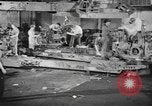
Post World War II reclamation of U.S. Army artillery at factory in the U.S.
U.S. factory workers repair and recondition used artillery left over from World War 2. Several heavy and small guns being repaired. A 90 mm anti aircraft gun, a 155 mm gun (Long Tom) and other guns being repaired.
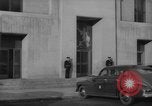
Armed guards standing at the entrance of the Social Security building in the United States.
The Social Security building in Washington DC, United States, during World War 2. Exterior of the building. Armed guards standing at the entrance. Officers entering and coming out of the building. A car parked in front of the building.
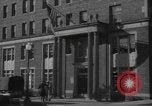
The U.S. flag flying atop the Selective Service building in the United States.
The Selective Service building in Washington DC, United States in World War 2. Exterior of the building. The U.S. flag flying atop the building. Officers entering and coming out of the building. A plaque on a wall of the building reads 'National Headquarters Selective Service System'.
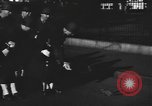
Army guards marching and a guard standing at the entrance of the White House in Washington DC.
United States Army guards in Washington DC, on detail at the White House during World War 2. The army guards standing in front of the White House. They march as an officer instructs them. Secret Service personnel seen talking to a press reporter who is seeking entry to the White House grounds. The agents search the reporter's bag and then allow him to pass. US Army soldier guards the entrance of the White House and stops a man from entering a secure area.
CRITICALPAST.COM: About Us | Contact Us | FAQs - How to Order | License Agreement | My Account | My Lightboxes | Shopping Cart | Advanced Search | Featured Collections | Website Terms & Conditions | Privacy Policy ©2026 CriticalPast LLC.
License Agreement |
Terms & Conditions |
Privacy Policy
©2026 CriticalPast LLC.