


 Francais
 Deutsch
 Italiano
Refine Your Search
V2 stock footage and images
- Showing 1597 to 1602 of 9860 results more
more Hide
Hide
United States war equipment unloaded into India and British forces training and battling Japanese (WW2)
United States Army soldiers in a market area in India during World War 2. American soldiers move about the market place in India, shop for items, and watch a snake charmer at work. Allied war equipment unloaded at a port and carried away on camel carts into Burma. American tanks being unloaded and transported by rail. Camel caravans hauling boxes of rifles and ammunition. Camels pulling wagons filled with armament. Supplies being loaded into U.S. Army aircraft for delivery to the battle front. British Indian troops move up the jungle terrain in Burma and fight against Japanese troops in World War II. British troops guarding a border railroad. Some British soldiers pop out from a hidden trench at a railroad line with rifles ready (likely training operation). View of an Indian river that narrator says is mined. Indian sappers wire wooden rafts with explosives to float out. American airmen on airfield with Indian temple in background are seen briefing Chinese pilots in training at the airbase. Closeup views of faces of Chinese pilots. Fighter aircraft and bomber aircraft taking off to hold open the Burma road from the air. Aerial view of aircraft propeller spinning on airborne aircraft with Indian city in background. Allied aircraft bombing Japanese positions.
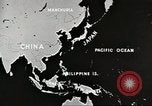
Events showing the surrender of Japanese forces to the Allied forces in the Pacific Theater at the end of World War 2
Following victory over Japan in World War 2, a map shows the surrender of Japanese troops to Allied forces in different regions of Pacific Theater during World War II. On Cebu Island in the Philippines, U.S. 8th Army soldiers march several thousand Japanese prisoners along a road. Command of Japanese 34th Army hands over his saber. American soldiers gather piles of swords received in surrender from the Japanese forces. View of mist hanging over Governor's Palace (The Mansion) in Baguio Philippines. General Wainwright and General Percival arrive by car at the mansion. Japanese General Yamashita arrives next and enters the building. General Tomoyuki Yamashita signs surrender documents as General Wainwright and other Allied officers look on. General Yamashita is taken to New Bilibid prison and is seen being escorted into a prison cell.
Japanese troops surrender in Singapore, Hong Kong, and Nanking China at end of World War 2
Victory over Japan at end of World War 2. Japanese troops surrender Singapore and Hong Kong to British troops in Pacific Theater. Aerial view of city in Singapore. Allied ships in nearby harbor. Allied soldiers of Britain landing and marching on streets in Singapore. Next scene shows ships of British fleet seen in waters at Hong Kong. Low-flying aerial views of port areas and buildings of Hong Kong. British Navy combat teams move from building to building in small groups, flushing snipers from alleys, streets, and buildings. A British soldier rests a Bren light machine gun on an elevated porch and fires at an enemy sniper position. Several Japanese soldiers surrender to British forces. Next scene is in Nanking, China. View of officials gathering in Nanking for Japanese surrender ceremony at the Central Military Academy, which had been the enemy Japanese headquarters during the war.
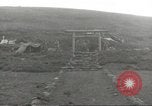
Japanese shrine at Kiska Island in Aleutian Island, Alaska (WW2)
A Japanese Shinto shrine erected at Kiska Island in Aleutian Island, Alaska during World War 2. A wooden Torii gate stands in front of the Shinto shrine. American soldiers look at miniature stone altars. A miniature wooden shrine encased in a wooden altar. Two soldiers hold a Japanese flag. A soldier holds a can of Japanese condensed milk found nearby. Soldiers keep a vigil as they sit on top of the Torii gate. Soldier drinks from a mug outside a hut.
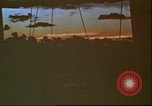
U.S. 2nd Marine Division travels to Tarawa during World War II
United States 2nd Marine Division sailors get into landing crafts and underway in the sea towards Tarawa in Pacific Theater. Aerial bombing takes place and explosions occur. Marines wade through the surf protected by aerial and naval bombardment. Japanese fire at marines and wounded carried on litters for medical aid.
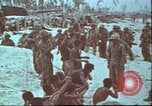
United States 2nd Marine Division sailors search Japanese prisoners during battle of Tarawa
United States 2nd Marine Division sailors cut through clothes of Japanese prisoners and search them for weapons at Tarawa in Pacific Theater during World War II. Prisoners given first aid. Japanese tanks and debris cleared up.
CRITICALPAST.COM: About Us | Contact Us | FAQs - How to Order | License Agreement | My Account | My Lightboxes | Shopping Cart | Advanced Search | Featured Collections | Website Terms & Conditions | Privacy Policy ©2026 CriticalPast LLC.
License Agreement |
Terms & Conditions |
Privacy Policy
©2026 CriticalPast LLC.