


 Francais
 Deutsch
 Italiano
Refine Your Search
V2 stock footage and images
- Showing 5515 to 5520 of 9941 results more
more Hide
Hide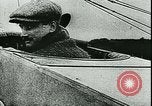
Various famous French flyers and flights
Pilot Roland Garros first man to cross the Mediterranean 1913. Pegoud taking off--first man to make successful loop in a bi-plane, shown making loops. Landing of bi-plane. View of flyer Clement Ader. Scenes of famous flyers superimposed atop take offs, landings, and aerials to show the progress from 1890 to 1945. View of Alberto Santos-Dumont. View of Bleriot. Views of aircraft flown in WW I. French aces Capt. Georges Guynemer, Lt. Charles Nungesser, Capt. Rene' Fonck. Views of practice bombing. Views of formation flying and two flights super-imposed over each other. World War 2 era bomber shown at end.
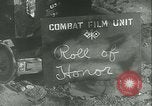
828th Engineer Aviation Battalion rebuilds airfield at Munda Point, New georgia, solomon islands, in World War II
American Army's 828th Engineer Aviation Battalion (African American) reconstructs airfield, at Munda Point, New Georgia, Solomon Islands, in World War 2. Originally constructed by the Japanese and captured by U.S. Forces, the airfield is unusable and requires rebuilding. African American bugler blows reveille and the Battalion begins a day of work reconstructing the field. Battalion engineers pile into trucks, as their names are called, and head from their bivouac area to the airfield work area. They climb aboard and begin to operate heavy construction equipment, such as graders, tractors, steam shovels, and dump trucks. Surveyers seen using a level in the midst of the field. A machinist steps into a shop contained in a truck, and begins turning a part on a lathe. One engineer steps into a shed containing heavy equipment. Team of men in an excavation pouring concrete. Grading equipment seen smoothing the field surface, and steam rollers packing down the surface. A plane takes off in background. View from above, of Douglas Dauntless SBD aircraft all over the field. A C-47 transport plane in foreground. A B-24 Liberator bomber taking off. Engineers climb aboard a truck at end of work shift. Back at their encampment, the men gather around as mail call is in progress. They enter a mess tent, go through a chow line and eat together at tables. Another tent is seen with sign outside reading: "Munda Cotton Club." Inside, the men relax, playing cards, smoking, playing checkers, and writing letters. Change of scene shows Chaplain leading singing during church service. As a day ends, the bugler blows taps. A sentry stands at ease with rifle. (Note: Sound is very poor and undiscernible in much of the clip.)

The Vultee Aircraft Plant at Nashville, Tennessee.
View of Vultee Aircraft Plant at Nashville, Tennessee. Dedication of Vultee P-66 Vanguard pursuit fighter aircraft during World War 2. Huge crowd gathered. View of an emblem.

Hawaiian woman works on aircraft B-24 Liberator's engine at Hawaiian Air Depot in Hawaii.
Hawaiian woman works on aircraft B-24 Liberator's engine at Hawaiian Air Depot in Hawaii, during World War 2. Two civilian war production workers work on aircraft's engine parts. Engine parts lying on table.

Hawaiian woman and a civilian work on aircraft B-24 Liberator's engine at Hawaiian Air Depot in Hawaii.
Hawaiian women work on aircraft B-24 Liberator's engine at Hawaiian Air Depot in Hawaii. Civilian war production workers busy with work on aircraft engine. (World War 2 period.)
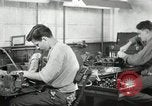
Hawaiian men clean and inspect section of aircraft B-24 Liberator's engine housing at Hawaiian Air Depot in Hawaii
Hawaiian war production workers work on B-24 Liberator engine at Hawaiian Air Depot in Hawaii, during World War 2. View of shelves of aircraft engine parts. Man lifts one of the parts from the shelf. Workmen clean and inspect a section of aircraft's engine housing.
CRITICALPAST.COM: About Us | Contact Us | FAQs - How to Order | License Agreement | My Account | My Lightboxes | Shopping Cart | Advanced Search | Featured Collections | Website Terms & Conditions | Privacy Policy ©2026 CriticalPast LLC.
License Agreement |
Terms & Conditions |
Privacy Policy
©2026 CriticalPast LLC.