


 Francais
 Deutsch
 Italiano
Refine Your Search
Vietnam Bien Hoa Air Base 1968 stock footage and images
- Showing 10915 to 10920 of 13286 results more
more Hide
Hide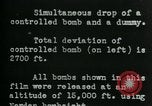
Glow Stabilizers and Radio Controllers attached to the tail section of a bomb to control the bomb during its glide.
A review of remote controlled weapons of the U.S. Army Air Force. A pointer marks deviations from the ideal of a bomb, gliding towards its target. Workers take out tail section of a glide bomb from a case and place it on a test bench. Assembling components such as Gyro-Stabilizers, which maintain vertical position of the Rudders of the tail. Release of bomb with rudders at a 45 degree angle. Radio Controllers attached with tail section . Worker operates control lever to control the movement of tail. (World War II period).
Azon Bombs checked for military operations in China-Burma-India Theater during World War II.
Azon Bombs in China-Burma-India Theater during World War II. United States Army Air Force personnel unpacks the smoke flares from wooden boxes. Tests of flares and checks their continuity using some meter. In a laboratory a man removes gyroscope which controls the ailerons and rudder from a box to test them. He tests a radio receiver for frequency matching and then installs it in Azon Bomb assembly. Testing of the complete assembly and marking it as correct.
Azon Bomb assembly checked and approved for military operations by technicians, China-Burma-India Theater of World War II.
Azon Bombs in China-Burma-India Theater during World War II. U.S. Army Air Force technicians perform continuity and other tests on various components of Azon Bombs in their laboratory. The indicators and meter readings display the results of the tests. Technicians with badges on their uniform check and assemble a tail section of an Azon Bomb. Another technician fills the check sheet.
Azon Bomb tail sections attached with smoke flares by a technician in China-Burma-India Theater during World War II.
Azon Bombs in China-Burma-India Theater during World War II. A U.S. Army Air Force technician in uniform works with multiple tail sections of Azon Bombs kept in a series on a wooden board. He attaches smoke flares and fastens the screws with the tail sections using a screw driver. He makes entries in his record book.
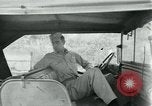
Airmen puts Adapter Ring to Azon Bombs attached to United States B-24 bomber, in China-Burma-India Theater of World War II.
Azon Bombs in China-Burma-India Theater during the World War II. Azon Bombs attached to a B-24 bomber of the United States Army Air Force. An airman puts Azon Adapter Ring to a 1000 lb Azon Bomb. Two airmen unload Azon fins from a truck and keep them aside.
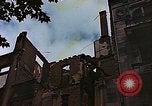
Buildings and houses destroyed due to bombing in the city of Cologne in Germany after World War II.
Destroyed buildings and houses in the city of Cologne in Germany after World War II. Buildings being destroyed by demolition charges. Smoke and dust fumes in the air as a damaged building is blown up. Rubble and debris all over the streets of the city. Other damaged buildings. Street sign "Wilhelmstrasse".
CRITICALPAST.COM: About Us | Contact Us | FAQs - How to Order | License Agreement | My Account | My Lightboxes | Shopping Cart | Advanced Search | Featured Collections | Website Terms & Conditions | Privacy Policy ©2026 CriticalPast LLC.
License Agreement |
Terms & Conditions |
Privacy Policy
©2026 CriticalPast LLC.