


 Francais
 Deutsch
 Italiano

Refine Your Search
Wiesbaden Germany 1945 stock footage and images
- Showing 4273 to 4278 of 10473 results more
 Hide
Color Sound

Adolf Hitler receives visitors,including several Nazi officers and officials and ladies on Terrace of the Berghof
Berghof, Obersaltzberg, Bavaria, Germany. A man with a camera on the terrace of Adolf Hitler's residence at Berghof in Germany. Men and women sit in chairs and relax on the terrace. Eva Braun, Hitler's companion, and other women relax on the terrace. Adolf Hitler arrives and speaks to Nazi German officers. He along with an officer leaves the terrace.

United States Attorney General Robert Kennedy dedicates a plaque to his brother John F. Kennedy (JFK) in the Rathaus in West Berlin.
United States Attorney General Robert Kennedy's visit to John F Kennedy Platz in West Berlin, Germany. Berlin street sign reads “John-F.-Kennedy-Platz”. A large crowd gathered at the John F Kennedy Platz. The entrance to the Platz, located in front of the West Berlin Rathaus (Am Rathaus 2, 10825 Berlin, Germany). Robert Kennedy, United States Attorney General and one of the younger brothers of President John F Kennedy, enters with several officials. Robert Kennedy receives an ovation from the crowd. Robert Kennedy, with his wife Ethel Skakel and three children, and other officials. The crowd waves to the group. Robert Kennedy with other officials. Robert Kennedy dedicates the plaque commemorating President John F Kennedy's speech on his last visit to Berlin a year before. The Kennedy plaque is unveiled. The crowd waves and cheers. Robert Kennedy speaks to the people. The large crowd gathered listens. People in the crowd wave U.S. flag. A man with a camera in the crowd. Robert Kennedy moves with other officials. The crowd watches the proceedings.

Bomb damage to the interior of the Anhalter Bahnhof station and railroad tracks in Berlin,Germany after World War II.
Destruction of infrastructure in Berlin after World War II. Bomb damage to the interior of the Anhalter Bahnhof station in Berlin. Rubble piled up in a square. Damaged railroad tracks at the station. Demolished buildings in the background.
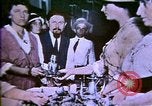
U.S. President Wilson gets reelected as Americans prepare for war during World War I
Events during World War 1. Sketches : In November 1916 newspaper shows Wilson reelected as a president. Cartoon depict the people of America supporting the Wilson's policy of peace. Several sketches of Thomas Woodrow Wilson after winning the election. Second inaugural of President Wilson at the United States capitol in Washington D.C. The German High Command in Berlin. Posters show the hardships of German citizens due to Allied blockade. Germany announces unrestrained submarine warfare against all vessels. Posters of the Germans destroying the American ships. The New York times reports German demarche to Japan and Mexico for support to Germany. Sketch depicts Germany Secretary of foreign affairs, Arthur Zimmermann seeks these alliances. Theodore Roosevelt addresses people. Several sketches of Woodrow Wilson. On April 2nd 1917 President Woodrow Wilson obtains declaration of war against Germany, from congress. American enters the conflict. U.S. Soldiers carry weapons in the battle field. sketches of several American officials. People work in factories to produce war materiel. A person with posters promoting Liberty bonds. A blindfolded person draws numbers from a bowl for civilian conscription. Citizens entering military service. People in a railroad train and others stand outside. People holding baggage walk in a group. A doctor checks the mouth of a recruit. Army recruit getting a haircut. Soldier stands holding guns. Soldiers practice firing artillery. Soldiers march. American recruits practice on wooden guns. Several sketches of the allied armies.
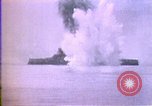
Final days of WW I, and aftermath. Riots in Russia. Treaty of Versailles. League of Nations. Harding elected President
Final throes of World War I and postwar situation. German submarines sinking allied ships. American workers work in war plants. U.S. Army General John Joseph Pershing visits France. American soldiers disembark from a ship in France. Germans defeat Russians on Eastern front and divert troops to the Western front. German soldiers on horse drawn wagons and others walk carrying guns as they move. Riots in Russia after it collapses in war. American soldiers fire field artillery. U.S. President Woodrow Wilson writes letters to countries at war like Germany. Papers with the 14 points to maintain peace. The soldiers of Germany and America on battle field. Dead soldiers on ground. Soldiers carry another injured soldier on a stretcher. The people protest during a rebellion in Germany. Soldiers of America cheer signing of Armistice. Cemetery. .Americans on streets in the U.S. after the war. President Woodrow Wilson goes on a tour of Europe. He sails to different places. Prime Minister David Lloyd George of the United Kingdom, Prime Minister Vittorio Emanuele Orlando of Italy, Prime Minister Georges Clemenceau of France, and President Woodrow Wilson of the United States in France during the signing of the Treaty of Versailles. Map shows the different nations formed after the war. The president returns after his visit. Henry Cabot Lodge, a U.S. senator. President visits different places to explain the peace treaty. Sketches show the President suffering a paralytic stroke and his wife takes his important decisions. Sketch depict the opponents of the peace treaty and the defeat of the league of nations. Warren Gamaliel Harding elected as the new President Harbinger of the future: views of Adolf Hitler on the rise in postwar Germany.
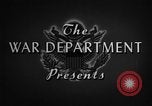
U.S. shuttle-bombing of German positions and military installations under Operation Frantic during World War II.
Film title slate indicates "Operation Titanic" but it, in fact, depicts "Operation Frantic" with U.S. shuttle bombing operations over Germany from bases in Great Britain, Italy and Russia during World War II. United States Army Air Force B-17 Flying Fortresses in flight. Aerial view of bombers in flight with several aircraft flying in formation leaving behind contrails. View inside bomber aircraft with bombardier preparing to drop bombs. View of bomb bay door opening and closeup of hand near bomb drop switch. Bombs awawy view as bombs are dropped from American aircraft. German defenses are bombed along the invasion coast of France (just prior to D-Day) on June 2, 1944. Aerial views of B-24 and B-17 bombers also in flight bombing German military installations in German-occupied northwestern Europe. Aerial view of a target area. Smoke rising up from bombardment. Two different U.S. Army Air Force B-17 Liberator aircraft are seen falling from the sky toward crashes after being hit by German enemy fire. One of them has smoke trailing from it, and the other is in a free fall. Railroad and marshaling yards are also bombed over Debrecen, Hungary on June 2, 1944, with aircraft continuing on (shuttle bombing) rather than returning to base. United States Army Air Forces B-24 Liberator flying in formation on June 21, 1944. Aerial view as they bomb the Focke-Wulf Fw 190 engine aircraft factory near Basdorf, Germany. German factories are bombed. B-17 aircraft on the same date are seeing in formation and bomb railway stations, freight yards, and factory targets, along with the Nazi German Ministry of War, Ministry of Propaganda, and Gestapo headquarters in Berlin, Germany. Heavy flak bursts seen in the air near the aircraft. Dogfight scenes as several German airplanes are shot down. Machine gunners aboard U.S. bomber aircraft firing at German fighter aircraft and shooting down 43 of them, according to narrator. Aerial view of ball turret rotating below bomber and firing guns at German fighter aircraft. The B-17s and B-24s bombing the targets. Synthetic oil plants and refineries are bombed at Ruhland Germany, east of Leipzig. Planning for the operation was done on December 7, 1943. A document about the operation is typed. Animated map shows Nazi positions and method of shuttle-bombing, allowing American aircraft to bomb from Soviet bases, and allies broadly to bomb German targets from bases in the United Kingdom, Italy, and Soviet Ukraine.
CRITICALPAST.COM: About Us | Contact Us | FAQs - How to Order | License Agreement | My Account | My Lightboxes | Shopping Cart | Advanced Search | Featured Collections | Website Terms & Conditions | Privacy Policy ©2026 CriticalPast LLC.
License Agreement |
Terms & Conditions |
Privacy Policy
©2026 CriticalPast LLC.