


 Francais
 Deutsch
 Italiano
Refine Your Search
Japanese-martial-arts stock footage and images
- Showing 853 to 858 of 4336 results more
more Hide
Hide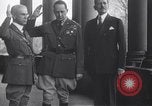
General Douglas MacArthur in 1930-1945; training of the Philippine Army; leading Allied troops against Japanese forces (WW2)
General Douglas MacArthur is appointed Chief of Staff, with rank of full General, in 1930. United States troops marching with the American flag. General MacArthur with two French military officers, during a tour of Europe. He is decorated by French Officials. MacArthur visits Germany and inspects German troops. U.S. President Roosevelt reappoints MacArthur as Chief of the Staff. MacArthur speaking to an audience in Washington DC. Scenes of MacArthur's headquarters in the Philippines. Filipinos walking outside MacArthur’s office. MacArthur at his office in the Philippines with Eisenhower at his side. MacArthur talks on the telephone. Flags of the United States and the Philippines. Filipino troops marching at Fort Santiago inside the walled city of Intramuros in Manila. MacArthur supervises the creation of a Philippine Army before World War 2. Philippine Army cadets perform outdoor calisthenics and attend a meeting. Philippine Army cadets train in knife fighting together with U.S. soldiers. View of Japanese attack of U.S. Navy ships and airfields at Pearl Harbor in December 1941. Japanese bombardment of the Philippines in December 1941 and into early 1942 as Japanese occupy Philippines during World War II. View of Corregidor Island. U.S. Army and Filipino soldiers on Corregidor load and fire artillery at the Japanese before the fall of Corregidor. U.S. soldiers in the Bataan peninsula. Face of MacArthur superimposed over a montage of American factory workers manufacturing ammunition and military vehicles. Start of the Bataan Death March. PT boat carrying MacArthur leaves Corregidor. War equipment prepared in factories. A battleship underway to Australia. MacArthur in Australia. U.S. convoy moves towards Japanese held islands in the Pacific. Allied soldiers land on the islands. A soldier lands on a beach and raises the American Flag. MacArthur points to the Philippines on a map and discuss war strategy. In accordance with the plan key positions in the Pacific are attacked. MacArthur looks on as United States soldiers land on the islands. MacArthur while smoking a pipe inspects the landing of Allied soldiers on islands behind heavy bombardment. Amphibious tractors land on the beach of Palo, Leyte. Allied paratroops make a landing. United States troops sail on rubber boats towards the beach of Palo, Leyte. Paratroopers on parachutes landing in Leyte. MacArthur confers with Allied Commanders. Allied troops walk past a destroyed Bahay Kubo nipa hut. Japanese soldiers are taken as prisoners in the Philippines.
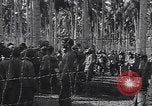
Japanese prisoners behind barb wire enclosures during World War II on Guadalcanal, Solomon Islands.
Japanese prisoners behind barbed wire enclosures during World War 2 on Guadalcanal, Solomon Islands. Japanese prisoners at attention. Prisoners under tree in barb wire enclosure. Japanese prisoners resting. Dead Japanese soldiers. Marines inspecting Japanese booty. Articles left behind by Japanese.

Story of "Black Cat" -- PBY Catalinas used as night bombers against Japanese convoys in World War II
Convoy of Japanese supply ships in the Southwest Pacific during World War 2. Mysteriously, two explode. One sinks and one is left burning. Narrator describes similar losses of Japanese cargo vessels and Japanese reports attributing the losses to new superior American aircraft. View of Japanese Military High Command buildings in Tokyo, Japan. An Imperial Japanese Navy Night Fighter (QHAFMFA6) seen taking off. Japanese admiral boards warship to plan Imperial Navy strategy and tactics. Attacking aircraft is shown as a U.S. Navy PBY Catalina Flying Boat. Several views of Catalina flying boats in flight, painted black for night flying (called "Black Cats"). Aerial view of islands with small harbors where a PBY can hide during daylight. Base personnel gather at a catalina base awaiting an overdue returning PBY. She appears and buzzes base to announce successful mission. The PBY then lands in nearby harbor, taxis toward shore and is met by sailors in boats who attach a tow line to winch the PBY ashore, tail first. Squadron Commander meets the plane as the crew disembarks. Commodore Thomas S. Combs, Commander Aircraft 7th Fleet, arrives by jeep with Group Commander, Captain Peck. Crew gives quick accounting of mission. Corpsmen take wounded combat cameraman from the PBY on a stretcher. Tow pulls the PBY to area of ramp for servicing and repairs. Maintenance personnel note crew report of problems and begin corrective actions. They count 8 bullet holes in starboard wing.They find hole in fuselage from shrapnel that wounded the cameraman, and repair it. They repair a gas tank leak and refuel the PBY. View of 525lb and 1000lb bombs in Squadron dump. Armorers assemble belts of 50cal machine gun ammunition.They rearm the PBY with bombs under one wing and a torpedo under the other, and machine gun ammunition. They remove two black cats (animals) from inside the airplane. PBY crew plays water polo with a coconut. View of officer's quarters. Pilots prepare for next mission and go to intelligence briefing
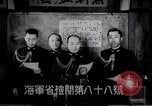
Japanese Admirals gather and issue radio appeal for greater war effort from shipyard workers, and others during World War II
Four Japanese Ministry of the Navy admirals gather for address on radio, appealing to Japanese defense workers to increase their efforts, during World War 2. Map of the Philippines in Japanese. Japanese shipyard workers listening to the radio address. Many are dressed in kokumin-fuku worker uniforms. Young Japanese women, also war production workers, seen wearing white bands around their heads, listening to the radio address. Shipyard workers in moving cab of a crane, listening. Large formation of Japanese women wearing the white headbands, listening.
Japanese attack on Pearl Harbor and Hickam and Wheeler Air Force bases in Hawaii
Mix of actual footage and period dramatized scenes. Japanese fleet at sea on its way to attack Pearl Harbor in World War 2. Japanese fleet commander aboard carrier ship asks all personnel to face Tokyo and worship. Pilots take off. Pilots seen in cockpit. Japanese bomber planes in flight. (Dramatized) bombing on Pearl Harbor battleships and fuel storage tanks. Hickam and Wheeler Air Force fields are hit. Interior views of cockpit of Japanese aircraft. Japanese aircraft spot the British ship Prince of Wales and Repulse on their way to Singapore. A Japanese flier radios sinking of the British ship Prince of Wales. (World War II period).
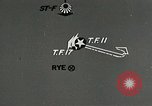
Japanese Air Force searches for United States Task Forces and attacks during the Battle of Coral sea in the Pacific Ocean.
A United States Naval Training Film about the Battle of Coral Sea. The U.S. destroyers move to point RYE. Japanese change course. Japanese search area before proceeding. Japanese forces find U.S. Task Force. Japanese Air Group Commanders find carriers and attack the destroyers. U.S. ships positions disclosed to the enemy. Fight starts U.S. orders his air group to attack. Movement of Japanese and U.S. forces. Japanese search U.S. TF positions and make decisions for further proceedings.