


 Francais
 Deutsch
 Italiano
Refine Your Search
Japanese-martial-arts stock footage and images
- Showing 2485 to 2490 of 4328 results more
more Hide
Hide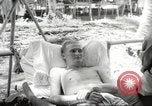
A man interviews a prisoner of war freed from a Japanese prison camp in the Philippines (WW2)
Allied internees are interviewed after their liberation in the Philippines during World War II. A man interviews a patient lying on a hospital bed. The patient talks about his experiences in the prison camp. He talks about the conditions in the Japanese prison camp as a former prisoner of war.
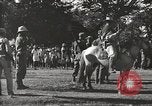
U.S. Rangers, Alamo Scouts, and Filipino guerrillas, on mission to rescue POWs from Japanese prison camp in World War II
Soldiers of U.S. Army 6th Ranger Battalion, Alamo Scouts, and Filipino guerrillas setting out on a mission to rescue American prisoners of war from a prison camp behind Japanese lines, at Kabanatuan (Cabanatuan) in the Philippines, during World War 2. They move out on foot and ford a stream on their way.
Former U.S. prisoners rescued from Japanese prison at Cabanatuan, arrive at 92nd Evacuation Hospital, in World War II
U.S. prisoners of war, rescued by U.S. Army Rangers of the 6th Battalion, Alamo Scouts, and Filipino guerrillas, from Japanese prison camp at Cabanatuan, Philippines, during World War II. The rescued prisoners arrive at the 92nd Evacuation Hospital, at Guimba, Nueva Ecija, in ambulances and trucks. Soldiers and former prisoners gather outside the hospital buildings. Some of the freed prisoners rest on the ground outside the hospital buildings. The main building displays a sign reading: "Guimba East Central School, Academic Building No.2."
A man interviews two prisoners of war which were liberated from a Japanese prison camp in the Philippines.
Liberated American prisoners of war in the Philippines during World War II. Patients lying on hospital beds. A nurse gives medicines to the patients. A man interviews two of the prisoners of war from the Cabanatuan camp. One of the soldiers talks about the Bataan Death March. He states that they marched for three days and three nights. Food and water was not given to them. They were transported to prison camps in boxcars and some of the prisoners died and some were killed. Sergeant Donald Smith also talks about the conditions in the prison camps and treatment received from the Japanese.
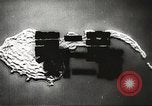
United States prisoners of war at medical aid stations in the Philippines during Japanese occupation (WW2)
During occupation of the Philippines by Japanese troops during World War II. Maps of Manila Bay, the Bataan Peninsula, Corregidor and Caballo islands. Mountains in the foreground. A wrecked U.S. ambulance in Corregidor Island. A U.S. medical aid station. Medics treat wounded soldiers inside a tent. U.S. Army prisoners of war in Corregidor take salt tablets and eat at a field kitchen. A prisoner of war sweeps the ground. A wounded Filipino soldier walking with crutches. Prisoners of war are served with plates of rice. A heap of medical supplies. A man reads The Tribune newspaper. Headlines of the newspaper reads: 'Homma is head of Japan forces'. Soldiers seated inside a tent look at a map.
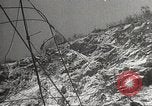
Activities of U.S. prisoners of war in Japanese prison camp in Malinta Tunnel on the Philippine Island of Corregidor.
U.S. Army prisoners of war on the Philippine Islands during Japanese occupation of Philippines World War II. View of Malinta Tunnel entrance that housed USAFFE headquarters. Prison camp operations within the Malinta Tunnel on Corregidor. A man works on a machine. A sign board on the machine reads: 'Emergency Equipment'. Bathrooms and shelves inside the prison camp. Men spread a bed sheet on a bed. U.S. prisoners of war are treated in an underground hospital. Medics carry a wounded on a stretcher. Sign under a wing of a tunnel says "Station Hospital Fort Mills". Patients lying on hospital beds. Army nurses seated at a table play cards. They eat food in a mess hall within the Malinta Tunnel complex.
CRITICALPAST.COM: About Us | Contact Us | FAQs - How to Order | License Agreement | My Account | My Lightboxes | Shopping Cart | Advanced Search | Featured Collections | Website Terms & Conditions | Privacy Policy ©2026 CriticalPast LLC.
License Agreement |
Terms & Conditions |
Privacy Policy
©2026 CriticalPast LLC.