


 Francais
 Deutsch
 Italiano
Refine Your Search
Japanese-martial-arts stock footage and images
- Showing 3679 to 3684 of 4337 results more
more Hide
HideColor Sound
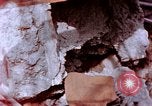
Site of destroyed building in Nagasaki, Japan, caused by atomic bomb during World War 2
After effects of atomic bombing in Nagasaki, Japan during World War II. Base of a displaced concrete column. A steel column uprooted from its concrete base. An electric pole with a number of broken wires attached to it. Japanese workers remove debris from the area.
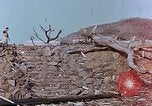
Uprooted trees and wrecked concrete structure from atomic bomb in Nagasaki, Japan during World War 2
After effects of atomic bombing in Nagasaki, Japan during World War II. Uprooted trees are seen as a Japanese carry a trunk of the tree. People pass by a wrecked concrete structure.
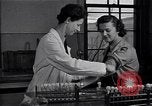
Women's Army Corps give blood sample in Tokyo in Japan
A Women's Army Corps (WAC) Captain takes a blood sample of an officer in Tokyo in Japan. Blood specimen is put into a test tube. An officer of Women's army Corps works on a leg brace. An Officer adjusts the costume of a Japanese showgirl in the fitting room of Ernie Pyle Theater.
Allied forces capture Hollandia in New Guinea during World War 2
A film titled 'Allied forces take Hollandia in New Guinea!' shows Allied attack at Japanese bases at night to capture Hollandia in New Guinea. A map shows the allied attack on the island. Naval and aerial barrage helps to take control of Hollandia. American bombers drop bombs over the island. Allied soldiers in boats reach Hollandia amidst heavy firing. American tanks and infantry moves into wet, muddy jungles. General MacArthur inspects the area and greets General Walter Krueger.
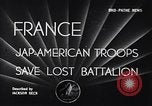
442nd Combat Team rescues 141st Infantry Regiment from behind enemy lines in France during World War II.
A film titled 'Jap-American troops save lost Battalion' shows a barrage of food and medicine being loaded in artillery shells to be sent to 141st Infantry 36th Division behind enemy lines in Vosges Mountains of France during World War II. U.S. Army 442nd Combat Team comprised of Japanese-American soldiers advances in forests to rescue the "Lost Battalion." Soldiers of rescued Lost Battalion are seen returning, some smoking cigarettes. Wounded soldiers being carried away in military jeeps for medical aid.
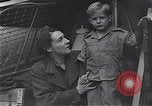
American family of German or Italian descent leaves their house with their belongings for relocation to an internment camp
American evacuees leave their house with their belongings in the United States during World War 2. A woman, boy, and a girl (the three possibly of German or Italian descent) stand by as their belongings are packed up. Their belongings being loaded onto a truck with assistance from U.S. military personnel, and the truck moves away. Two policemen and a dog, patrol in front of an internment center. Military guard stops the cars passing by at the entrance. A Japanese relocation center under construction. Men load bags of sand building a sandbag wall beside a building and painting windows with black paint. Views again of the same American family from earlier in the clip, possibly of German or Italian heritage, begin relocated to an alien internment center.
CRITICALPAST.COM: About Us | Contact Us | FAQs - How to Order | License Agreement | My Account | My Lightboxes | Shopping Cart | Advanced Search | Featured Collections | Website Terms & Conditions | Privacy Policy ©2026 CriticalPast LLC.
License Agreement |
Terms & Conditions |
Privacy Policy
©2026 CriticalPast LLC.