


 Francais
 Deutsch
 Italiano
Refine Your Search
+"United States USA" +1946 stock footage and images
- Showing 43 to 48 of 184 results more
more Hide
Hide
Setting up of hospitals to treat veterans suffering from neuropsychiatric disorders in the United States.
Medical facilities related to neuropsychiatric disorders being provided by the Veterans Administration in the United States. Exteriors of a V.A. hospital building. Animation shows the increase in number of neuropsychiatric patients from 1942 to 1950 and forecasts growing through the 1980s. Narrator describes high prevalence of such problems among veterans. (Also known as "shell shock" or, more recently, Post Traumatic Stress Disorder, or PTSD.) Exteriors of hospitals and training schools where neuropsychiatric specialists train. A doctor talks to a patient in a bed. Neuropsychiatric research being conducted in a laboratory. A technician works on an instrument. A neuropsychiatric specialist being trained. A technician works on an instrument. Psychiatrists discuss. They give various therapies to patients like the shock therapy, the socializing therapy in which a patient plays golf.

A hospital under the Veterans Administration that treats patients suffering from neuropsychiatric disorders in the U.S.
Medical facilities related to neuropsychiatric disorders being provided by the Veterans Administration in the United States. A patient suffering from neuropsychiatric disorders enters a neuropsychiatric hospital and meets a doctor. Another doctor looks for a patient's file in a drawer to follow up the case. A doctor at a desk as he does paper work like keeping up each patient's record. A neuropsychiatric specialist conducts a test on a patient at a desk. (Related: "shell shock", "Post Traumatic Stress Disorder" or "PTSD".)

A hospital under the Veterans Administration that treats patients suffering from various diseases in the United States.
Medical facilities related to medicine and surgery being provided by the Veterans Administration in the United States. A graph depicts the increase in number of patients suffering from medicine and surgical diseases up to 269% from 1942 to 1950. Two war veterans at a hospital as they recover after an ailment. A surgery being performed. A pathological conference being conducted. Specialists give on the spot directions as they look after the patients. Doctors examine patients as they take X rays. A doctor looks after veterans suffering from various diseases. Patients at a hospital suffering from tuberculosis. Patients in wheel chairs. Women lying down in a garden. A doctor takes a patient's X ray. He looks at the X ray film.
Patient recuperate at a VA hospital, possibly Walter Reed Army Medical Hospital.
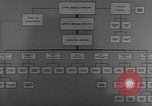
An organizational chart of the Veteran's Administration 'VA' show various divisions under a medical program to provide medical aid to veterans. Various divisions like neuropsychiatric division, tuberculosis division. Patients in beds as a nurse tends to them. Dentists examine patients' teeth. Cooks prepare food in the hospital cafeteria. Patients read books and newspapers in a library. A patient who has had his legs amputated is greeted by a nurse. Women patients in wheel chairs play a card game. Recreation outside the grounds of the hospital, possibly Walter Reed Army Medical Center. Patients play croquet on the lawn.

A hospital under the Veterans Administration provides facilities to patients recovering from various diseases in the U.S.
Medical facilities being provided at hospitals run by the Veterans Administration under its medical program in the United States. Patients in beds as medical care and rehabilitation facilities are being provided to them. The patients swim in a pool. A veteran with artificial hands smokes a cigarette. A patient in a tub relaxes. The patients practice to walk with crutches. They undergo various trainings like educational and industrial. An official at a desk discusses about facilities provided to recovering veterans at the hospitals.
The method of selection of doctors by the Veterans Administration and the facilities being provided to them in the U.S.
The process of selection of doctors at hospitals run by the Veterans Administration under its medical program in the United States. Officers select the doctors for the Veterans Administration at the Veterans Administration Office. An application being discussed at a personal interview. The officers discuss the grade for the applicant ranging from junior grade to chief grade. The officers discuss the location to be assigned to an applicant at a map of United States. A woman types a telegram to be sent to an applicant informing him of his selection and asking for approval. New recruits being greeted by the officers. Veterans Administration doctors being provided various recreational facilities as they play golf. The head of the Veterans Administration General Omar Bradley welcomes the doctors and nurses who have joined the Veterans Administration. He calls the task and opportunity to serve the veterans as a great one. He inspires those under the Veterans Administration to live up to their motto of medical service second to none.