


 Francais
 Deutsch
 Italiano
Refine Your Search
2nd-Rangers-D-Day stock footage and images
- Showing 403 to 408 of 13614 results more
more Hide
Hide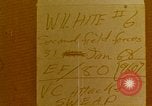
Soldiers of the U.S. 2nd Battalion 47th Infantry (Mechanized) and 4th Battalion 39th Infantry clearing a hamlet during the Tet Offensive in Vietnam
Elements of B Company, 2/47th Infantry (Mechanized) and C Company, 4/39th Infantry, clearing North Vietnamese Army regulars from "Widows' Village" (a hamlet of housing provided by the government of the Republic of Vietnam for widows and children of fallen ARVN soldiers). The action occurs January 31st, 1968 (on "Tet", the Vietnamese Lunar New Year holiday). U.S. troops firing small arms as they proceed across tall grass into the hamlet. Several M 113 armored personnel carriers (APCs) are seen accompanying the troops. A soldier, who has been hit, lying prone between two other soldiers, tries to get up. Flames consuming huts. Riflemen moving cautiously. A slightly wounded soldier, lying on the ground, smiles as he points to his leg as another soldier helps him. APCs advance, firing 50 caliber machine guns. Riflemen staying close behind. Views of a number of huts, in the hamlet, that have not been destroyed. (Note: According to Colonel Sonny Craven, then leader of a combat photo team on the scene, these combat sequences was filmed by soldiers of the 221st Signal Company [Pictorial]). Craven and another photographer, were both wounded in the engagement.) (Vietnam War period).
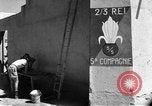
Elements of 2nd and 3rd Foreign Infantry Regiments (French Foreign Legion) operating in Moroccan Rif mountains
A French Foreign Legionnaire cleaning equipment at a table in Regimental compound at Taza, South of the Rif mountains, in Morocco. Sign painted on wall reads: "2/3 R.E.I." and "5th Compagnie". In center of sign is a French Foreign Legion Logo, on which "5/5" appears. A contingent of armed Legionnaires ascends a hill and arrives at a fort at the top. They speak with Berber tribesmen and present them copies of an official document. Then they search the fortifcations. In one room there are several Berber women, sitting on the floor.(The women have notable tattoos on their faces.) A dog is seen accompanying the Legionnaires. Large numbers of Berber women and children come out of their quarters and assemble, sitting down on the ground in front of the men. A Legion officer speaks to a village leader and the villagers. The Legionnaires then depart and return down the mountain. A French officer is seen standing up in a jeep, as it drives along a sandy road. Exterior view of a building with sign over doorway with sign " Gendarmerie Nationale" inscribed above it.
2nd Marine Division aboard transport ships headed to Tarawa, Gilbert Islands, during World War II
U.S. Marines boarding troop transport ships in World War 2. A line of the transport ships underway in the Pacific, en route to Tarawa, Gilbert Islands. The Destroyer, USS Frazier (DD-607) seen close to port, astern, with a line extending to the transport ship. A sealed packet of orders for the transport and the Marines is delivered over the line. Scene shifts to an officer briefing marines with help of a large relief map of Betio in the Tarawa atoll. The map is complete, in every detail, down to models of structures there. Marines are seen belting machine gun ammunition and test firing their weapons. Marines on deck exercise doing calisthenics. Officer briefing Coast Guard and Navy coxswains who will be operating landing craft during the amphibious assault. Religious service being conducted on deck by a military Chaplains, on evening of November 19, 1943. Catholic chaplain, Father Francis W. Kelly, Chaplain, U.S.N.R. saying Mass, for marines. (Narrator comments that many of these Marines were killed the next morning.)
P-51s of U.S. Army Air Forces 332nd Fighter Group (Tuskegee Airmen) at Ramitelli Airbase, in Italy, during World War 2
Aircraft of the U.S. Army Air Forces 332nd Fighter Group (Tuskegee Airmen) operating over Ramitelli Airbase,in Italy during World War II. A squadron of P-51s from the African American 332nd Fighter Group is seen flying over the field in various formations at various altitudes. They return to land in flights of four aircraft that fly low over the field and then peel off and climb, circling left to land on the runway.
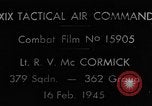
The U.S. 379th squadron 362nd fighter group of P-47 aircraft strafing and bombing roads in World War 2.
P-47s of the XIX Tactical Air Command in the European Theater of Operations. Lieutenant R V Mc Cormick flies the plane. High altitude view of the target areas. 379th squadron 362nd fighter group strafing and bombing roads and other areas. Smoke rises up in the air due to the bombarding.
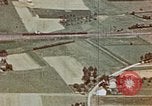
Gun camera images from P-47of 62nd Squadron, 56th Fighter Group. Strafing railroads and highways in Europe, World War 2
P-47, flown by Lieutenant Colonel Schilling of the 62nd Squadron, 56th Fighter Group, stationed in England. Gun camera shows strafing of moving trains and trucks, on the Continent, during World War II.
CRITICALPAST.COM: About Us | Contact Us | FAQs - How to Order | License Agreement | My Account | My Lightboxes | Shopping Cart | Advanced Search | Featured Collections | Website Terms & Conditions | Privacy Policy ©2026 CriticalPast LLC.
License Agreement |
Terms & Conditions |
Privacy Policy
©2026 CriticalPast LLC.