


 Francais
 Deutsch
 Italiano
Refine Your Search
US-Gliders- stock footage and images
- Showing 8869 to 8874 of 22001 results more
more Hide
Hide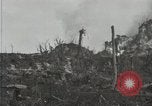
U.S. Marines throw grenade into cave entrance and LVT fires flame thrower at Japanese positions on Peleliu Island, Palau.
Napalm incendiary bombs explode on ridge at Peleliu Island, Palau. View of damaged trees. Black smoke rises from bombed area in the background. Two Marines at embankment prepare to fire. Marines attend wounded man. Marine gives plasma to the wounded soldier on litter, while another marine appears to be applying some kind of gel or rub on his stomach. Marines throw hand grenade into cave entrance and explosion follows. Marine guides tracked landing vehicle (LVT) into position and fires flame thrower from it toward positions occupied by Japanese soldiers. (World War II period).
U.S. 7th Air Force B-24 Liberator aircraft bomb targets on Iwo Jima, Japan.
View from the air of United States 7th Army Air Force B-24 bombers on bombing mission over Iwo Jima, controlled by Japan. Explosions on ground from bombs. Flak clouds in the air. (World War II period).
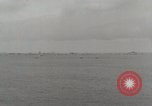
Recovery of wounded U.S. marines during amphibious assault on Peleliu, Palau Islands, in World War II
A DUKW speeds toward the USS Mount McKinley (AGC-7) in World War 2. It is seen tied up alongside with several wounded Marines aboard. Crewmen and Marines carry the wounded aboard the McKinley on litters (stretchers).
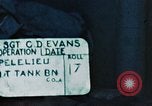
U.S. Marines of 7th Regiment, 1st Marine Division, advance towards radio tower at Peleliu Island, Palau.
View of Japanese airplane motor at Peleliu Island, Palau. Dead Japanese soldiers on ground. Three Marines of 1st Marine Division walk down road with walkie-talkie. Soldier stands next to tank, speaks over phone. Troops advance towards dense jungle area. Tank advances towards radio tower away from the jungle. (World War II period).
U.S. Marines of 7th Regiment, 1st Marine Division, advance uphill at Peleliu Island, Palau.
1st Marine Division troops advance uphill at Peleliu Island, Palau. Marines walk uphill through thick forest area. Wounded marines being carried on litter. Motor crew operates 60 mm motor. Marines fire 30 caliber light machine gun on half track and 37 mm guns at Japanese cave entrance. View of Japanese slogan written on board. (World War II period).
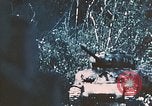
U.S. Marines of 7th Regiment ride tanks in advance toward Japanese enemy through jungle at Peleliu Island in WWII
7th Marine Regiment troops ride M4 Sherman tanks of the Army, 710th Tank Battalion, as they advance towards Japanese positions on Peleliu Island, Palau during World War 2, in Pacific. Tank advances towards Japanese enemy through jungle area. Marines walk in front of the tank.
CRITICALPAST.COM: About Us | Contact Us | FAQs - How to Order | License Agreement | My Account | My Lightboxes | Shopping Cart | Advanced Search | Featured Collections | Website Terms & Conditions | Privacy Policy ©2026 CriticalPast LLC.
License Agreement |
Terms & Conditions |
Privacy Policy
©2026 CriticalPast LLC.