


 Francais
 Deutsch
 Italiano
Refine Your Search
US-Gliders- stock footage and images
- Showing 20893 to 20898 of 21919 results more
more Hide
Hide
Major sources of air pollution and recommendations to control it in the metropolitan city area of Kansas, United States.
Air pollution in the metropolitan city area of Kansas, United States. View of Kansas City skyline on clear day and on smoggy day. Vehicles move on the streets. View of jet airliner taking off, emiting smoke. View of Kansas center city. An animated map shows seven Counties that differ in terms of land use, industrialization and economic activities in Missouri and Kansas. Kansas City Municipal and Fairfax airports, with aircraft taxiing. Aerial view of the airport areas with smog visible. View of bridges with factories behind barely visible through the smog. Rural road, with open burning of refuse in a large fire, with black smoke rising. Smoke rising from low building and from Large industrial plant. Aerial view of Kansas City from over the river, with smoke obscuring the scene. Aerial view of smoke and pollution blanketing the whole area. Industrial plants along the river edge billowing smoke. The representatives of Kansas and Missouri present findings of the airport area survey during a conference. Animated illustrations of pollution sources: refuse burning; industrial processes; fuel combustion; and mobile sources.
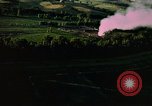
Various scenes of open trash and refuse burning in the Kansas city area of United States.
Air pollution due to open refuse burning in the Kansas City area, United States. Aerial view of the open burning dumps on grasslands. A smoke column rises. View from airplane flying through the smoke. Trash trucks driving in garbage dump near smoking refuse. Aerial view of numerous fires burning in trash dump near river. Salvage yards with uncontrolled open burning. Interiors being burned in junk cars at salvage yard. Aerial views of open burning of refuse in backyards of homes in residential area. Smoke rising from commercial incinerators. View of "tepee" incinerator with smoke rising from it. Incinerator at apartment house with smoke rising from it. Smoke rising from the incinerator at Kansas City, Missouri sewage treatment plant, where dried sewage sludge is burned, and scrubbers are used. View from airplane of large fires and huge smoke clouds from urban renewal project. Car parked on dirt road in area of small trees and shrubs. Large trash fire behind it with billowing dark black smoke. City building in distance.

USAF CH-3C helicopter in flight with framework of USAAC Keystone LB-7 bomber aircraft in its sling in Bluefields,Nicaragua.
Recovery of Keystone LB-7 bomber aircraft in Bluefields, Nicaragua. A U.S. C-47 aircraft parked next to a muddy runway. United States Air Force (USAF) CH-3C Sikorsky helicopter in flight with United States Army Air Corps (USAAC) Keystone LB-7 bomber aircraft framework in sling. The helicopter lowers the framework to the ground. The helicopter in flight. A crew member directs the landing of the helicopter. An aircraft parked in the background.
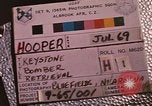
USAF Major Blackburn and recovery team search debris of USAAC LB-7 bomber aircraft at crash site in Bluefields,Nicaragua
Recovery of USAAC Keystone LB-7 bomber aircraft in Bluefields, Nicaragua. Aerial view of the crash site of United States Army Air Corps Keystone LB-7 bomber aircraft in a jungle in Bluefields. U.S. Army Major William A Blackburn and recovery team members search for the debris of the aircraft in the jungle. The men carry the debris and move towards the parked United States Air Force CH-3C Sikorsky helicopter.

Workmen clean up the Quai d'Orsay Palace before the visit of King George VI and Queen Elizabeth Bowes-Lyon in Paris, France.
Cleaning of Quai d'Orsay Foreign Ministry Palace in Paris, France. View of the Quai d'Orsay (37 Quai d'Orsay, 75007 Paris, France) and its interiors. Army of workmen brighten up the Palace for the visit of King George VI and Queen Elizabeth Bowes-Lyon of the United Kingdom. A man uses feather duster to clean an ornate Baroque clock. Workmen scrubbing a bathtub. The workmen clean chandelier, clocks, and bathtubs.

Aircraft fly in formation,soldiers fire artillery and advance on field during war rehearsal in Chicago, Illinois.
The U.S. Army rehearses for war in Chicago, Illinois. An aircraft in flight. Soldiers fire artillery and advance on a field. Antiaircraft guns fire at diving aircraft. Soldiers fire machine guns. Tanks advance on a field.
CRITICALPAST.COM: About Us | Contact Us | FAQs - How to Order | License Agreement | My Account | My Lightboxes | Shopping Cart | Advanced Search | Featured Collections | Website Terms & Conditions | Privacy Policy ©2026 CriticalPast LLC.
License Agreement |
Terms & Conditions |
Privacy Policy
©2026 CriticalPast LLC.