


 Francais
 Deutsch
 Italiano
Refine Your Search
US-Gliders- stock footage and images
- Showing 2455 to 2460 of 21924 results more
more Hide
Hide
U.S. soldiers of 2nd Battalion, 173rd Airborne Brigade carry wounded soldiers in South Vietnam during Operation Junction City.
Tactical Communications, Operation Junction City at War Zone-C in South Vietnam. U.S. soldiers of 2nd Battalion, 173rd Airborne Brigade in action. Two wounded soldiers wait to be evacuated sit in field. Wounded soldier talks over PRC-25 radio to direct soldiers. Soldier helps wounded soldier to walk. Soldiers load 81mm mortar. A stretcher is brought, medics put bandage around wounds of soldier. U.S. UH-1D medical helicopter takes off with wounded soldier. Soldier drinks water from canteen. (Vietnam War period).
U.S. soldiers of 173rd Airborne Brigade board UH-1D medical helicopters in South Vietnam during Operation Junction City.
Tactical Communications, Operation Junction City at War Zone-C in South Vietnam. U.S. soldiers of 2nd Battalion, 173rd Airborne Brigade in action. Four U.S. UH-1D medical helicopters in flight. Helicopters land besides signal smoke. Soldiers board the helicopter and take off. Soldier at doorway of helicopter. Air to air view of helicopters. Smoke rises from terrain. Helicopter lands on strip. (Vietnam War period).
U.S. soldiers of 173rd Airborne Brigade wait for the UH-1D medical helicopters in South Vietnam during Operation Junction City.
Tactical Communications, Operation Junction city at War Zone-C in South Vietnam. U.S. soldiers of 2nd Battalion, 173rd Airborne Brigade in action in Vietnam War. Soldiers wait to board helicopter. Radio equipment on the ground. Radio operators check their PRC-25 radios. A large group of U.S. Army soldiers rests, with many seated on the ground, as they wait for the arrival of helicopters. Yellow smoke arises from signal grenade in the background. Formation of five UH-1D helicopters seen approaching overhead toward camera position, and then landing. Some of the soldiers load into the helicopters and they took off in turn. Some of the soldiers remain seated near the landing zone, holding their helmets and gear down as the wind and dust from the propellers fills the air. Soldiers board the helicopter and they take off.
U.S. soldiers of 173rd Airborne Brigade waits and treat wounded in jungle of South Vietnam during Operation Junction City.
Tactical Communications, Operation Junction City at Vietnam War Zone-C in South Vietnam. U.S. soldiers of 2nd Battalion, 173rd Airborne Brigade in action. Group of U.S. Army African American and white soldiers take cover under fire. Soldier digs foxhole. Officer looks at a map and speaks over radio. Soldier crawls to officer in check point bunker. Soldier fires 81 mm mortar. Wounded soldier carried off on stretcher. Officer speaks over radio. Wounded soldier treated and carried to UH-1D helicopter. Helicopter takes off.
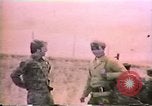
United States Federal Marshals pose and get in U.S. helicopter during AIM (American Indian Movement) occupation in United States
Activities of United States Federal Marshals during AIM (American Indian Movement) occupation at the outskirts of Lakota Nation in United States. U.S. troops infield. Troops get on bus. Vehicles past bus. U.S. Helicopter in field. A man sits in car. Troops embrace each other and pose. Helicopter lands. People put luggage in it and it takes off.
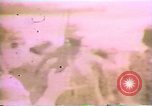
U.S. Federal Marshals in camouflage uniform around AIM (American Indian Movement) occupant area (Wounded Knee incident)
Activities of United States Federal Marshals in AIM (American Indian Movement) Native American Indian occupant area Wounded Knee South Dakota. U.S. troops and officers in field. U.S. marshal in camouflage dress. Officer waves. Man click from camera. Men put luggage in helicopter. It takes off.
CRITICALPAST.COM: About Us | Contact Us | FAQs - How to Order | License Agreement | My Account | My Lightboxes | Shopping Cart | Advanced Search | Featured Collections | Website Terms & Conditions | Privacy Policy ©2026 CriticalPast LLC.
License Agreement |
Terms & Conditions |
Privacy Policy
©2026 CriticalPast LLC.