


 Francais
 Deutsch
 Italiano
Refine Your Search
V2 stock footage and images
- Showing 6433 to 6438 of 9941 results more
more Hide
Hide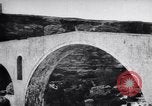
Austrian Red Cross horse carts pass a bridge during Second Balkan War.
Austrian Red Cross horse carts passing by a bridge during the 2nd Balkan War. Mountains in the background. Men walk and take the horse carts with their ropes tied on their mouths. Men take water in vessels at a pond. Washed clothes are put on the rocks to dry.
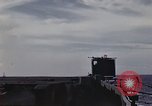
Aircraft operations on flight deck of the USS Midway (CVB-41)
An AJ Savage aircraft lands on the USS Midway (CVB-41). Another is seen in a landing pattern around the ship. Two F2H banshee aircraft land on the carrier. One is seen taxiing on the deck after landing.
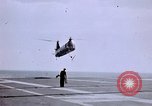
Change of Command ceremony aboard USS Midway.
Change of Command ceremony aboard USS Midway. HUP-2 helicopter lands on flight deck of USS Midway. Staff Officers greet Vice Admiral Kivette. He is also greeted by Rear Admiral Clark. Helicopter arrives on deck. Vice Admiral Beakley gets off the helicopter and is greeted by other Officers. Vice Admiral Beakley reviews Marine Honor Guard.
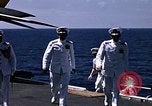
Vice Admiral Kivette and Rear Admiral Clark aboard USS Midway.
Vice Admiral Kivette and Rear Admiral Clark walk up the flight deck of USS Midway. They stand in attention and salute. Vice Admiral Kivette reviews the Marine Honor Guard with marine officer. Vice Admiral Kivette boards HUP-2 helicopter. The helicopter takes off.
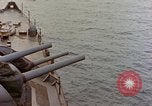
Destroyer USS Phelps, DD-360, bombards island during invasion of Saipan, Mariana Islands, in World War II.
U.S. naval bombardment supporting invasion of Saipan, Mariana Islands, during World War 2. Smoke columns rise. Five inch guns on the destroyer USS Phelps, DD-360, firing. Plane makes bombing run on island. Expended ammunition cases on the deck of the USS Phelps.
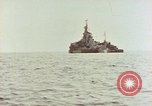
Ammunition transferred from USS Tennessee, BB-43, to USS Phelps, DD-360, during invasion of Saipan in World War II
Battleship USS Tennessee, BB-43, crew handles lines as a destroyer comes alongside during invasion of Saipan, Mariana Islands, in World War 2. Ammunition transferred from the Tennessee to destroyer USS Phelps, DD-360. Sailors carry projectiles and slide powder cases down a plank to the USS Phelps.
CRITICALPAST.COM: About Us | Contact Us | FAQs - How to Order | License Agreement | My Account | My Lightboxes | Shopping Cart | Advanced Search | Featured Collections | Website Terms & Conditions | Privacy Policy ©2026 CriticalPast LLC.
License Agreement |
Terms & Conditions |
Privacy Policy
©2026 CriticalPast LLC.