


 Francais
 Deutsch
 Italiano
Refine Your Search
V2 stock footage and images
- Showing 1825 to 1830 of 9860 results more
more Hide
Hide
United States Army M-4 tanks moves through Worms, Germany in thick smoke during WW2
United States Army M-4 Sherman tanks and jeeps, carrying United States soldiers, move through the town of Worms, Germany during World War 2. Thick smoke obscures road and buildings.
United States Army M-4 Sherman tanks and jeeps outside Worms, Germany, soldier fires with rifle, tanks move through town during WW2
United States Army M-4 tanks, carrying United States soldiers, and armored vehicles stopped on road outside the city of Worms, Germany during World War 2. A United States soldier fires his rifle from top of M-4 tank. Other soldiers fire at enemy of camera in field next to road. M-4 Sherman tanks and jeeps, including a Red Cross medical vehicle, move through Worms, Germany.
M4 Sherman tanks move up Sugar Loaf Hill, United States Marines throw grenade during Battle of Okinawa in WW2
United States Marines of the 1st Marine Division in battle of Sugar Loaf Hill in Okinawa, Japan during World War 2. Tanks move up Sugar Loaf Hill. United States Marines advance on Sugar Loaf Hill. A United States Marine throws a grenade. Grenade explodes at a distance after being thrown by Marine. A line of Marines advances on Sugar Loaf Hill. View of Sugar Loaf Hill and smoke during battle.
United States Marines fire with machine gun at Sugar Loaf Hill during Battle of Okinawa in WW2
United States Marines fire at Japanese using a Browning M1917 machine gun during battle of Sugar Loaf Hill in Okinawa in World War 2. Another Marine holds the ammunition belt for the Marine firing with machine gun. United States Marines fire with machine gun at hilltop.
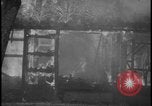
A village on fire, United States Marines attempts to extinguish village fire during Battle of Okinawa in WW2
A burning Okinawan village during the Battle of Okinawa in World War 2. United States Marine filling bucket of water. Marines attempt to extinguish the fire with buckets of water. Marine climbing burning thatched roof hut and pouring bucket of water on flames. Aftermath of burned Okinawan village after fire has been extinguished. Explosions on hilltop during Battle of Okinawa.
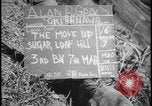
United States Marines evacuate casualties, fire machine gun at Japanese during Battle of Okinawa in WW2
United States Marines evacuate casualties during Battle of Okinawa in World War 2. United States Marines fire at Japanese soldiers while wounded are evacuated. United States Marines carry wounded in a stretcher. Two United States Marines fire with machine gun. Belt of ammunition moving into machine gun. United States Marine fires with rifle. United States Marines evacuate casualty.
CRITICALPAST.COM: About Us | Contact Us | FAQs - How to Order | License Agreement | My Account | My Lightboxes | Shopping Cart | Advanced Search | Featured Collections | Website Terms & Conditions | Privacy Policy ©2026 CriticalPast LLC.
License Agreement |
Terms & Conditions |
Privacy Policy
©2026 CriticalPast LLC.