


 Francais
 Deutsch
 Italiano
Refine Your Search
M4-training stock footage and images
- Showing 6589 to 6594 of 8218 results more
more Hide
Hide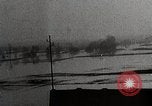
U.S. troops advance into German homeland and fight their way through small city. German soldiers surrender, in World War II.
Areas in Germany deliberately flooded by retreating German soldiers who destroyed dams to impede Allied advances during World War 2. U.S. Army trucks making their way through flooded area. American infantry and tanks battling with German snipers as they enter a town. U.S. soldiers firing small arms and mortars. Several GIs looking out a building window next to a flag telling others to stay away. (The flag reads: "Off Limits to all M.P.S to hot (sic) yet.") U.S. troops firing rifles, machine gun and recoiless rifle from building windows.German soldiers surrendering. American troops charging across a field. They round up several German prisoners and then continue across the field.
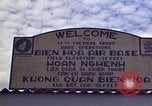
U.S. Air Force personnel construct sandbag bunkers and receive ammunition at Bien Hoa Air Base in Vietnam.
34th Tactical Group increases precautionary measures and aircraft buildup due to Viet Cong attacks at Bien Hoa Air Base in Vietnam. Sign: Welcome to 34th Tactical Group Base Operations, Bien Hoa Air Base, Field Elevation 36 feet (also in Vietnamese). Air Force Personnel construct sandbag bunkers. They look on notice board. Loudspeakers on pole. Air Force Personnel scramble from hut. They receive M-l6 (AR-15) rifles. They receive ammunition and proceed to bunkers. (Vietnam War period).
Role of metals in Japanese war against China during 2nd Sino-Japanese Conflict
Scenes of Second Sino-Japanese War, circa 1938. Japanese soldiers observing battlefield from a ridge. Japanese artillerymen firing field pieces. Flight of two Mitsubishi Ki-15-1 light bombers in formation, later called "Babs" by the Allies and known as a C5M in Japanese Navy usage. Aerial view of Japanese bombs falling on Chinese cities. Chinese citizens, including an injured woman, seeking shelter from bombing. Aerial view of Chinese ship being strafed by Japanese aircraft. The ship explodes. Downed Japanese warplanes burning. Scenes of destruction from bombing of oil facilities. Iron ore being moved in Japanese rail cars. Steel plants around Yawata, Japan. Numerous containers of molten steel inside a steel plant. Hot Steel ingots being moved. Animated map shows locations of iron ore deposits in Japan. Scrap steel being imported that, narrator states, helped boost Japanese wartime production to 12 million ingot tons in the Sino-Japanese war. More views of open rail cars moving alloying elements to a steel mill. Open mining using explosives. Mining operations for copper and bauxite (aluminum ore). Japanese miners shoveling ore by hand into open rail cars. Open rail cars moving in both directions on parallel tracks. (Note: Although some narration refers to 1941 Japanese production, the images are from earlier period.)
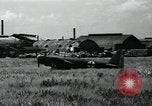
Japanese planes parked in airfield of Tokyo Municipal Airport after WW2
An assortment of Japanese planes scattered all over in the grass at Tokyo municipal airport. Included are a Japanese "Shiragiku" plane with green cross on side. A helicopter flying by. A 2PA-B3 plane built by Seversky corporation (based on the P35 fighter, purchased pre-war as a long-range escort fighter but sold off for civil use). Japanese "hickory" plane. Scrapped Douglas DC5 transport . Several DC-3s and other unidentified aircraft are also seen. Salvaged Japanese planes from World War II. Hangars and airfield. An American C-47 and small high wing monoplane with radial engine (possibly a UC-81).Transport ship on bay and a Japanese Mitsubishi C5M "Babs" reconnaissance aircraft.
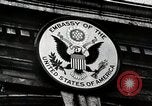
Beginnings of the Second Sino-Japanese war
Sign over American Embassy in China. Colonel William Mayer, former military attache in that embassy relates events precipitating Second Sino-Japanese war. Scenes of the Marco Polo bridge near Peking, on night of July 7, 1937, as Japanese artillery bombards the area. Animated map shows movement of Japanese forces out of Manchuria to occupy Peiping and Tientsin. Victorious Japanese troops stand atop a building, raising their flags and shouting cries of victory. Japanese army officers sit around a table smiling and contended and others walk in a group. Chinese artillery crews are seen retaliating as they fire field pieces at Japanese positions in Shanghai. Shells explode in background, and Chinese infantry advance through damaged buildings and rubble. Animated map shows Shanghai and other cities, and film transitions to view of the bustling city of Shanghai on the Yangtze River. In the seaport, large ocean liners and freighters, as well as tug boats and Junks, are seen. What looks like a Japanese Tachikawa Ki.54 Type 1 transport plane takes off over a Chinese pagoda. Double-decker buses travel through the streets. Rickshaws are also seen. Map outlines the foreign residential areas of the French Concession and the International Settlement. American, British and Japanese flags are shown in the International Settlement. Detachments of troops from Japan, Britain, France, and United States Marines are seen. A U.S. Marine is posted as a sentry at the Shanghai Power Company. Coolies carry heavy bucket on a long pole. British, French and Japanese troops also performed sentry duties. Japanese troops and armored cars are seen. A scuffle breaks out in August, 1937, and Japanese soldiers start moving in trucks, take up firing positions, and begin firing guns from their armored cars. Map shows Chinese counterattack pushing the Japanese contingent toward the Khangpoo River. Next it shows Japanese warships and reinforcements in the Yangtze River and their advance toward Woosung and Shanghai. Views of Japanese warships bombarding the shore and large explosions from their striking shells. Beachhead is shown South of Shanghai, where two divisions of Japanese infantry are seen arriving in landing craft. They advance across the fields toward Shanghai. Map shows Chinese withdrawals to West and South, toward Nanking and Hangchow. Chinese medics along with infantry march in retreat. Japanese pilots are seen being briefed. Next, Japanese Mitsubishi G3M bombers are seen in flight, and bombardiers and other crew in them. Bombs falling on the city. Civilians running for cover as bombs explode. Aichi D3A1 aircraft dropping bombs. The Shanghai waterfront being bombed and civilians running.
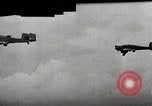
Aerial bombing of Shanghai City by Japanese during Second Sino-Japanese war
Japanese air attack against city of Shanghai, at start of 2nd Sino-Japanese war. Formation of Japanese 93-Shiki Soukei bombers in flight (Mitsubishi Type 93 Twin engine Light Bombers). Bombs falling from aircraft with city seen below. Bomb striking ground with large explosion. Civilians running for cover. Buildings on fire. Bombs striking ships in the Shanghai port. Buildings aflame. Japanese Aichi D3A1 aircraft diving. (anachronistic insert) Panic in the streets as people use any means of escape, carrying belongings in wagons and rushing into the International Settlement, by hundreds, or thousands, moving past British and French soldiers. French soldiers pass an infant to safety, across a barbed wire barrier. Shanghai International Settlement gates are closed as thousands remain outside, pressed against the barriers. Views of Chinese people crammed into the streets. Then they stampede into the center of the city, where some are trapped under falling buildings. More scenes of bomb explosions and burning buildings. A formation of Japanese Mitsubishi G3M bombers in flight overhead. More bombs exploding in the city. Fires burning and heavy smoke rising over the city. Dead and injured Chinese civilians. Firefighters spraying water on burning building. People trying to aid one another amongst dead and dying everywhere. Wounded being carried on stretchers and dead being piled into an open truck. Animated map showing Japanese occupying the entire peninsula east of Shanghai and then executing a coordinated drive through Soochow (Suzhou) and Kahsingfu, toward Nanking (Nanjing).
CRITICALPAST.COM: About Us | Contact Us | FAQs - How to Order | License Agreement | My Account | My Lightboxes | Shopping Cart | Advanced Search | Featured Collections | Website Terms & Conditions | Privacy Policy ©2026 CriticalPast LLC.
License Agreement |
Terms & Conditions |
Privacy Policy
©2026 CriticalPast LLC.