


 Francais
 Deutsch
 Italiano
Refine Your Search
Nevada United States 1936 stock footage and images
- Showing 4117 to 4122 of 27250 results more
more Hide
Hide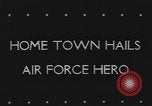
U.S. Air Force officers meeting their family after they return from the war front in the United States (WW2)
U.S. Air Force officers return to the United States in World War II. The officers with their families in Washington DC. Buildings in the background. One of the officers returns to his home in Piqua, Ohio. A sign board reads: 'Welcome to Piqua'. Buildings along the sides of the street. The officer with his family in his home. People gather at his home to greet him. He hugs his sister.

The recruitment of women as Marines in the United States, during World War II.
A film titled: 'Lady Marines' on the recruitment of women in the United States Marine Corps, during World War 2. Views of Marines engaged in combat. U.S. Naval guns firing. A Marine dive bomber in action. Splashes in water from explosions. Marines in an amphibious assault on the beach. Paramarines making a jump. Tanks moving on the field. U.S. Marines firing machine guns. Paramarines boarding an airplane. Views of U.S. Marines in non-combat assignments in Washington, DC. Exterior of the U.S. Capitol building. Trucks being refueled. Marine mechanics maintaining vehicles. Marines engaged in administrative and logistical wartime support activities. A Marine typing a document on a typewriter. Comments about the need to free trained Marines for combat. A scene of Japanese soldiers celebrating a victory. A poster with the photograph of a woman reads: 'Be a Marine'. On February 13, 1943 the Marine Corps Womens Reserve is formed. Women are recruited to relieve Marines for combat. Women Marines salute.
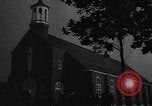
Women Marines and male U.S. Marine Corps officers sitting inside a church and praying in the United States.
A film on the recruitment of women in the United States Marine Corps during World War 2. Exterior of a church. Members of the Womens reserve of the Marine Corps and officers enter the church. They sit inside and pray and participate in a serve. Clergy of different faiths are shown preaching to a congregation that includes women Marines.
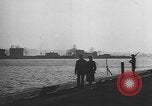
A Coast Guard woman watches as a seaplane taxis in water in the United States.
A film on the Coast Guardsmen and United States Coast Guard Women's Reserve (SPARS). A Coast Guard soldier and a Coast Guard woman walking at the sea shore. Statue of Liberty in the background. SPARS march in formation. Buildings in the background. A seaplane parked on the ground. Pilot in the cockpit of the plane. The plane taxiing. A woman watching the plane. (World War II period).

Meeting of the Senate Commerce Committee as Henry Wallace is nominated as the Secretary of Commerce in the United States.
Nomination of Former Vice President Henry Wallace as Secretary of Commerce in the United States. Meeting of the Senate Commerce Committee. U.S. Secretary of Commerce Jesse Jones addresses the committee. He speaks about the qualifications and background which he deems essential in one who aspires to head the lending agencies which deal in billions. Wallace addressing the officials and talks about the RFC.

JB-2 robot bomb produced and test launched in the United States during WW2.
Manufacture and testing of a new robot bomb in the United States: A Republic Aviation and Ford Motor Company collaboration known as the JB-2 Loon, modeled after the German V-1 flying bomb. Interior of a war production factory. Worker welding part of bomb frame. Workers wheeling completed bomb fuselages on wheeled platforms in the plant. Closeup of an African American man wheeling a bomb. Henry Ford II and Ray Rausch, of Ford Motor Company, who oversaw the production of the pulsejet engines for the JB-2 bomb. Men working for the construction of the robot bomb. Closeup view of engine being fired on a test stand. Men and women war production workers at the Willys-Overland production plant in Toledo, Ohio are seen working on the interior components of the flying bomb, then closing the completed fuselages, and attaching the wings to the flying bomb. Engineering officers from the Army Air Forces Air Technical Command inspect a completed JB-2 flying bomb. View of a test launch o the bomb from a sandy beach area. The bomb engine fires and the bomb launches out over ocean waters, dropping its auxiliary launching apparatus beneath it, close to shore.
CRITICALPAST.COM: About Us | Contact Us | FAQs - How to Order | License Agreement | My Account | My Lightboxes | Shopping Cart | Advanced Search | Featured Collections | Website Terms & Conditions | Privacy Policy ©2026 CriticalPast LLC.
License Agreement |
Terms & Conditions |
Privacy Policy
©2026 CriticalPast LLC.